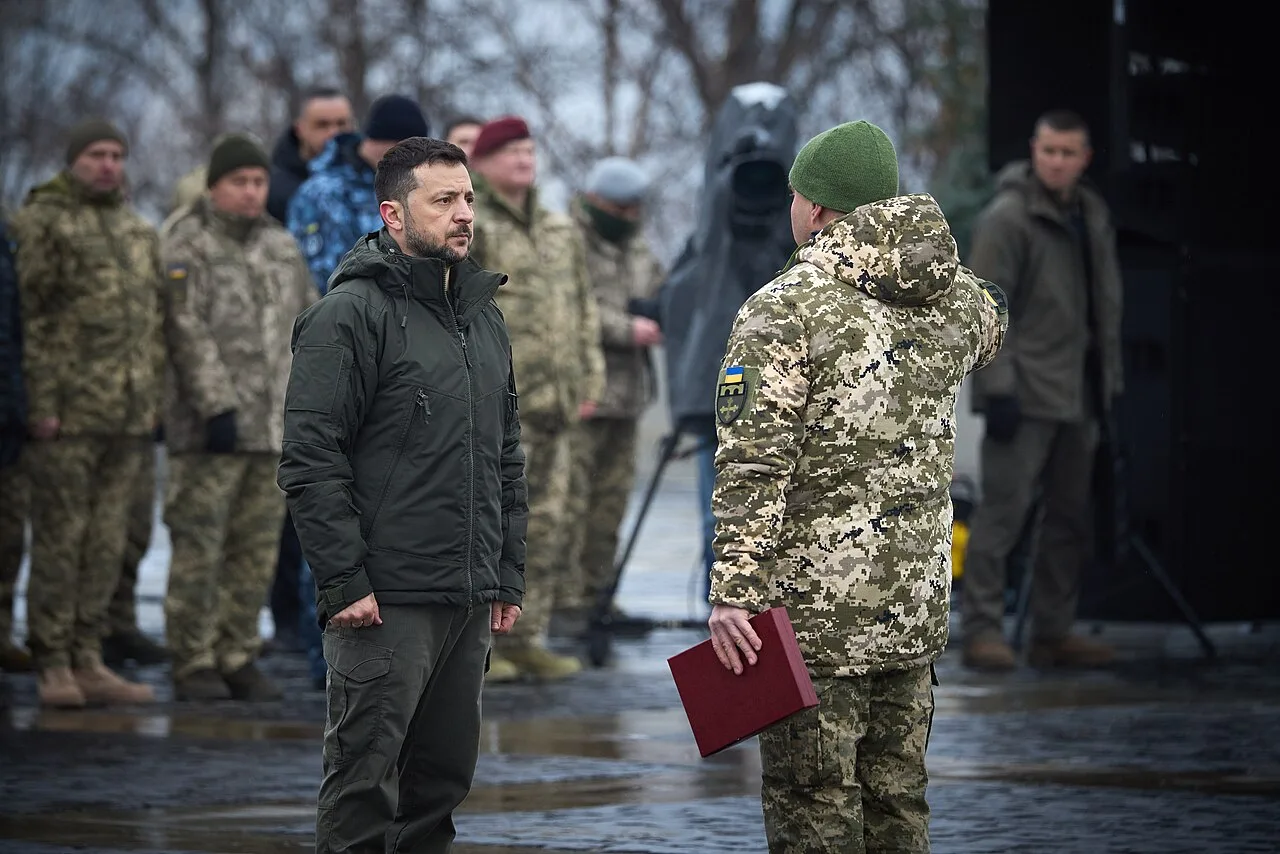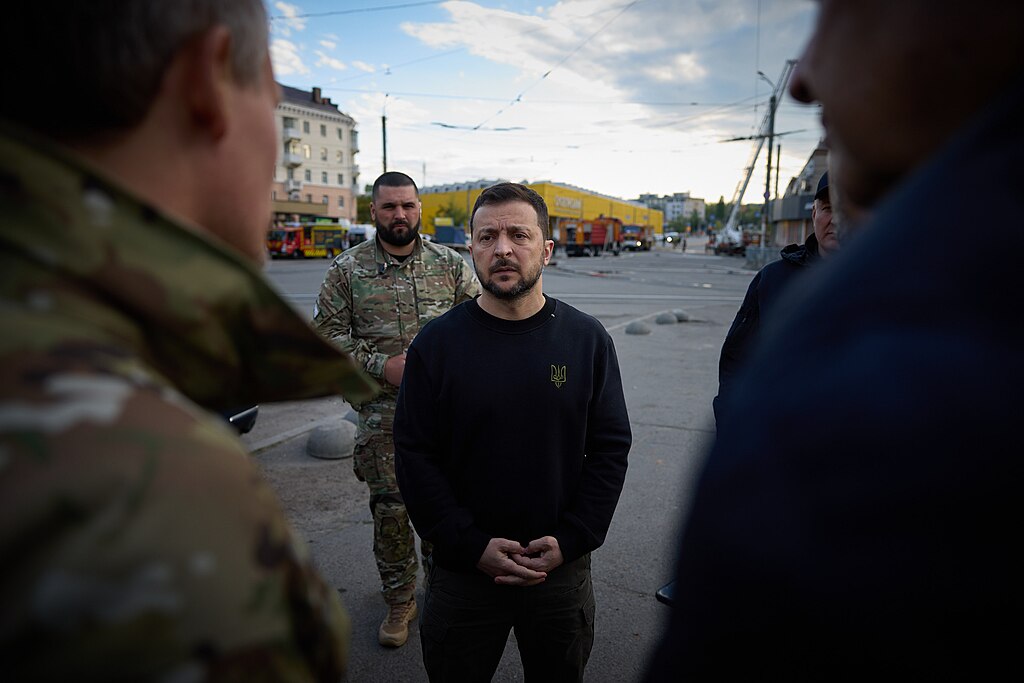
Ukrainian President Volodymyr Zelenskiy revealed on Friday that the United States had requested a postponement of the latest trilateral negotiations aimed at resolving the ongoing conflict between Ukraine and Russia, now entering its fourth year. Zelenskiy shared these remarks with Ukrainian media at the conclusion of his state visit to France.
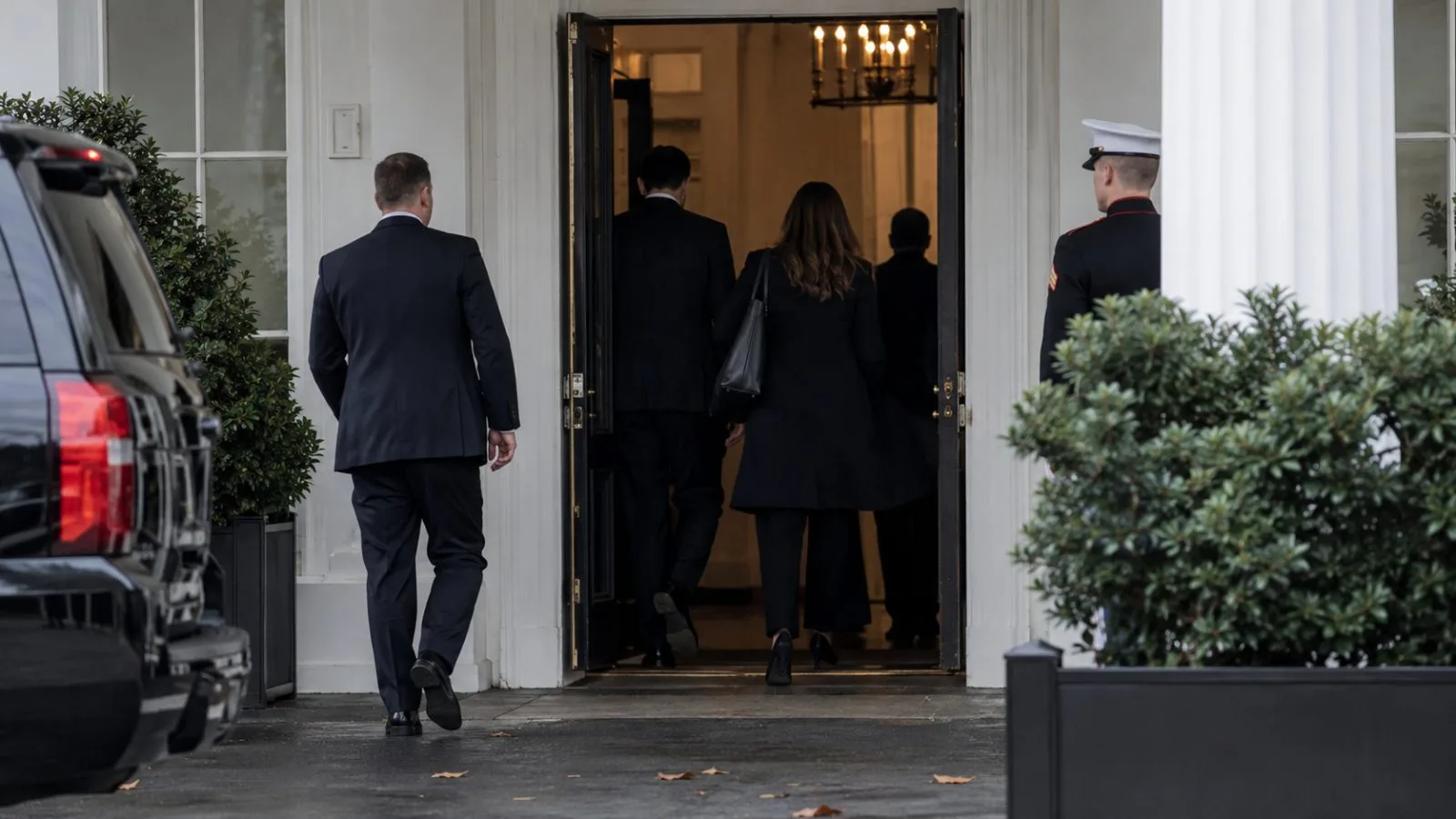
According to Zelenskiy, American officials informed both parties that their designated negotiators were barred from traveling outside the United States due to escalating developments in the Middle East. The disclosure raises fresh concerns about the momentum of international diplomatic efforts to bring a peaceful resolution to one of Europe's most devastating modern conflicts.
Adding another layer of complexity to the stalled peace process, Russia reportedly objected to holding the negotiations on American soil. Instead, the Kremlin proposed neutral venues, specifically Switzerland or Turkey, both of which have previously served as diplomatic meeting grounds in high-stakes international discussions.
The three-way talks, which involve Ukraine, Russia, and the United States, represent a critical diplomatic channel as global pressure mounts for a ceasefire and long-term settlement. Any delay in these discussions could have significant consequences for the war-torn region, where millions of civilians continue to suffer the humanitarian toll of prolonged armed conflict.
The postponement underscores the delicate and often unpredictable nature of multi-party peace negotiations, particularly when the participating nations carry competing geopolitical interests. With Washington's attention now reportedly divided between Eastern Europe and the Middle East, questions remain about how soon all three parties can realign their schedules and priorities to resume meaningful dialogue.
Zelenskiy has consistently pushed for sustained international engagement to end the war, and his public disclosure of the delay appears intended to maintain global awareness of the urgent need for renewed diplomatic action.