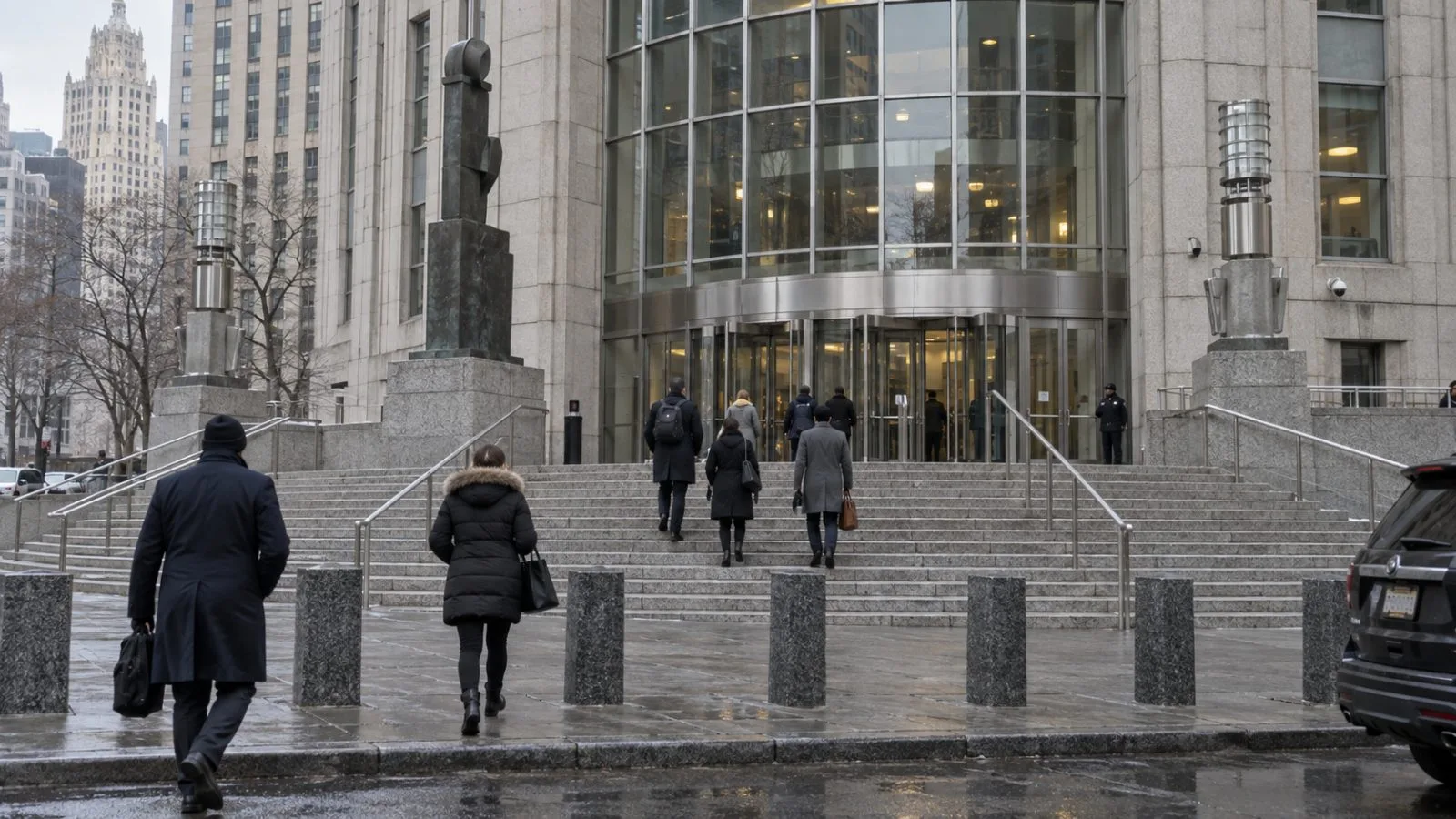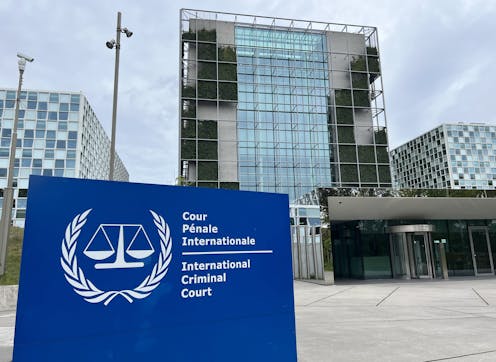
Three International Criminal Court (ICC) judges have filed a lawsuit against U.S. President Donald Trump and his administration, challenging sanctions imposed on them and arguing that the measures are unlawful and politically motivated. The case was filed in a federal court in Manhattan by Judges Kimberly Prost of Canada, Solomy Balungi Bossa of Uganda, and Reine Adelaide Sophie Alapini-Gansou of Benin.
According to the lawsuit, the sanctions were intended to pressure and punish ICC judges for carrying out their judicial duties. The judges claim the restrictions were designed to influence court decisions by targeting their personal finances and daily lives, creating what they describe as an attempt to coerce members of the international tribunal.
The sanctions were introduced by the Trump administration following the ICC’s decision to issue an arrest warrant for Israeli Prime Minister Benjamin Netanyahu and its earlier investigation into alleged war crimes involving U.S. military personnel in Afghanistan. The move marked a significant escalation in tensions between Washington and the international court.
The lawsuit argues that the sanctions exceed the authority granted under the International Emergency Economic Powers Act (IEEPA). The judges contend that the administration failed to demonstrate a legitimate national emergency or extraordinary threat that would justify such measures.
The filing highlights the severe impact of the sanctions, stating that the judges have been unable to access basic financial services, use credit cards, conduct banking transactions, book travel, obtain certain forms of health insurance, and access major online platforms such as Amazon and Google. They describe the restrictions as a form of “financial death penalty” that interferes with both their personal lives and professional responsibilities.
The judges further argue that the sanctions obstruct legal proceedings by discouraging individuals from submitting evidence or legal arguments in cases before them. The lawsuit seeks to overturn the sanctions and challenge what the judges view as an unlawful attempt to undermine the independence of the International Criminal Court, which prosecutes genocide, war crimes, and crimes against humanity across its member states.