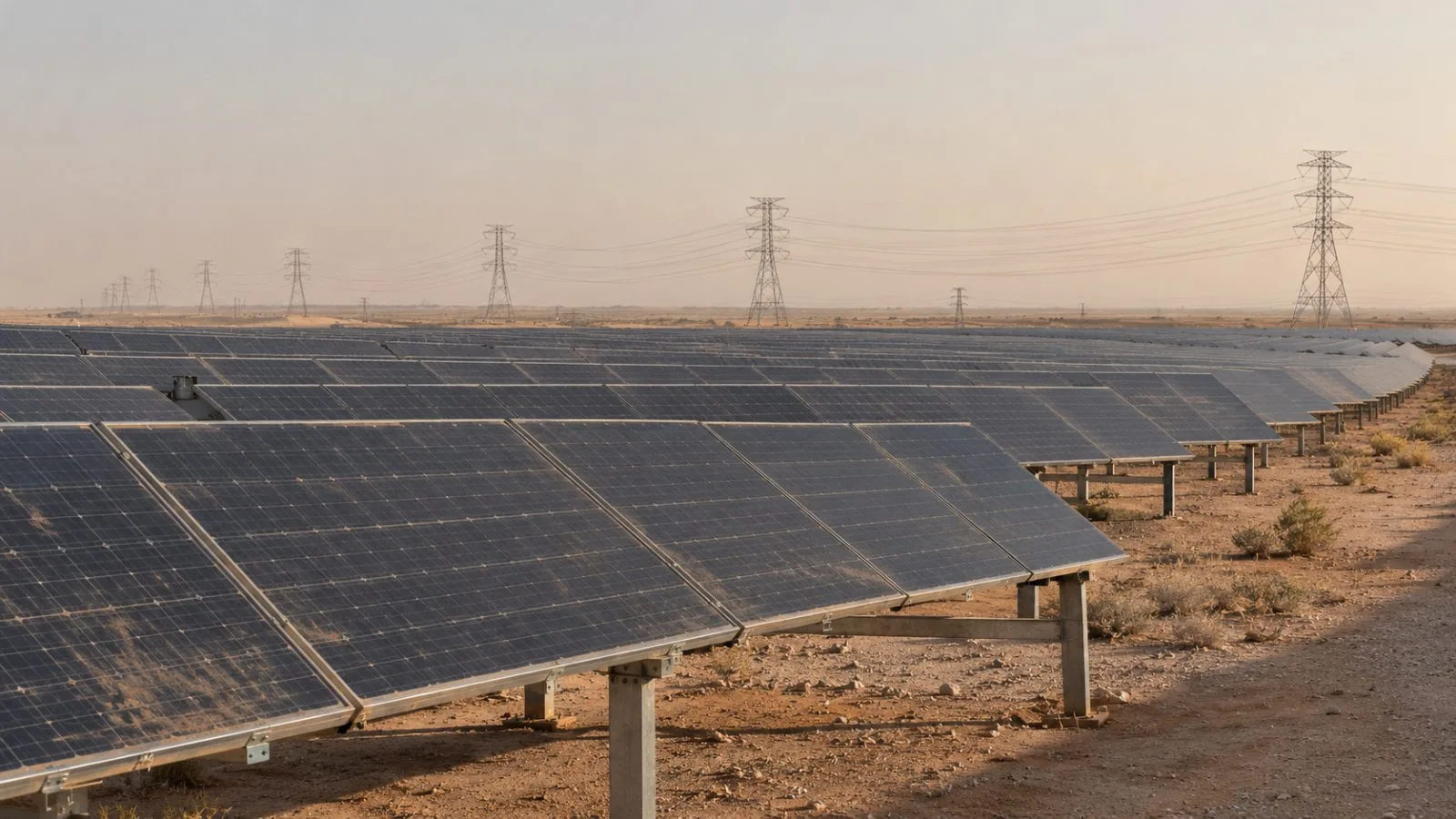
The International Energy Agency expects global renewable power capacity to reach 9,710 gigawatts by 2030, below the tripling pledge, leaving grid, permitting and financing bottlenecks central to the outlook.
In the IEA's main case, capacity grows to about 2.6 times its 2022 level by 2030. The tripling mark arrives around 2032. The agency's accelerated case reaches it in 2031, with capacity growth by 2030 about 20% higher than in the main case.
The global forecast sits within a larger buildout: the IEA projects nearly 4,800 gigawatts of renewable capacity additions over 2026-31, 57% more than in the previous six years.
The agency identifies policy design, grid integration, permitting and financing as obstacles to faster growth. It also points to energy security and lower exposure to imported fuels and volatile prices as reasons behind renewable deployment. Households and small businesses in places with high fuel prices or unreliable electricity are turning to rooftop solar, the IEA says. The IEA estimates that rooftop solar added since 2022 has brought more reliable electricity to at least 70 million households.
The 2023 COP28 decision under the United Nations Framework Convention on Climate Change (UNFCCC) called for countries to triple renewable capacity and double the global average annual rate of energy-efficiency improvements by 2030. The IEA says efficiency gains need to reach 4% a year through 2030, compared with about 1% in 2024 and 1.8% in 2025. It estimates that the effort would require an additional $1.3 trillion in annual investment worldwide.
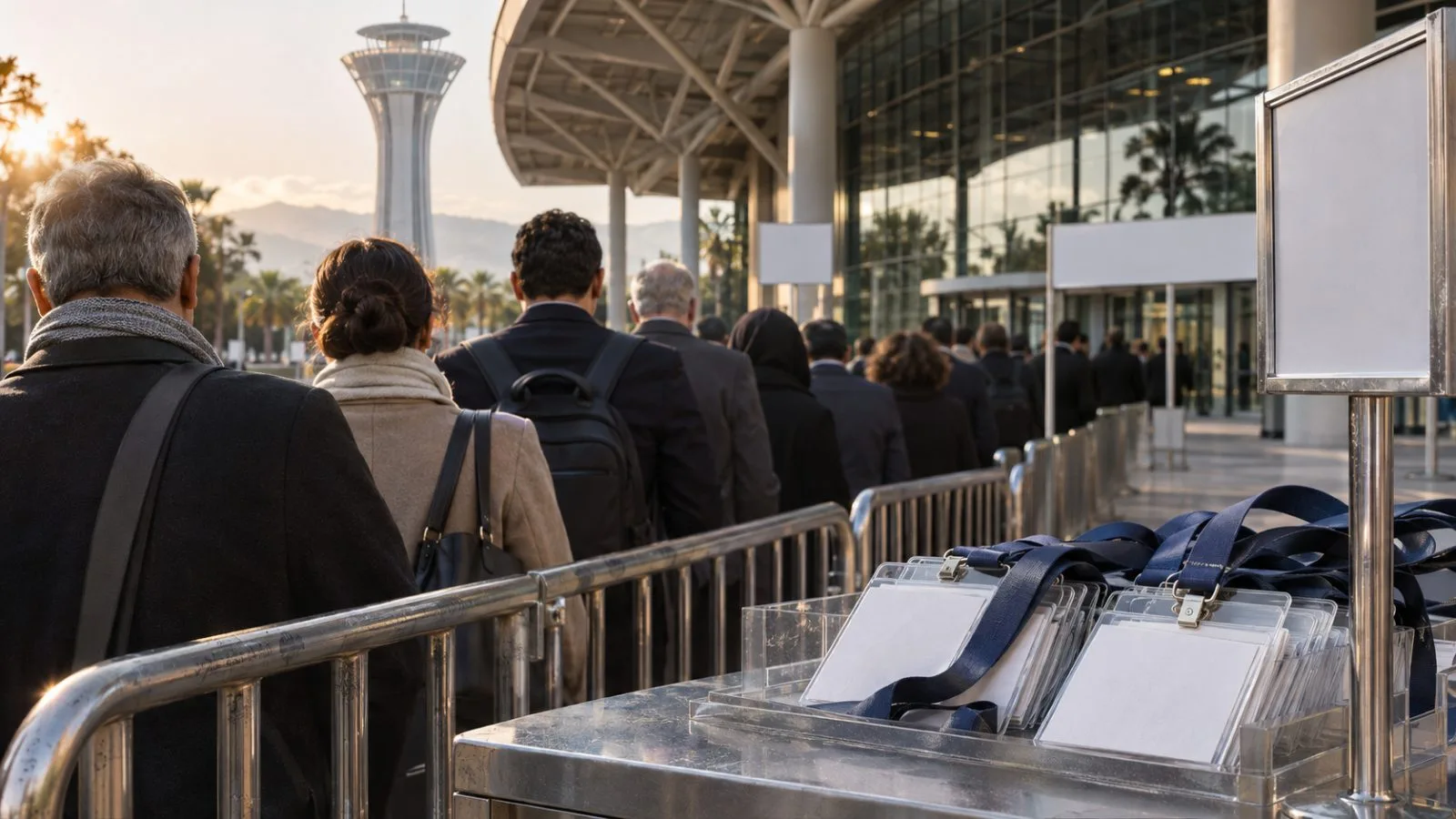
Anadolu Agency reported that Amanda Ohara, a senior energy adviser to Brazil's COP30 Presidency, said energy-system limitations complicate decarbonization. She said investment decisions should account for economic as well as climate considerations. COP31 in Antalya is scheduled to continue through Friday, Nov. 20.