The International Monetary Fund’s projection of a 3.9% UAE contraction in 2026 conflicts with S&P Global Ratings’ growth estimate, sharpening questions about a recovery shaped by trade disruption and policy limits.
The IMF’s October 2026 World Economic Outlook forecasts real GDP growth of 6.2% in 2025, a 3.9% contraction in 2026 and 7.7% growth in 2027. S&P Global Ratings’ Sept. 4 estimate put 2026 growth at 2.4%. The estimates come from different publication dates, and neither source reconciles the gap. The IMF says its Chapter 1 and Online Statistical Appendix projections rely on information available through Oct. 1.
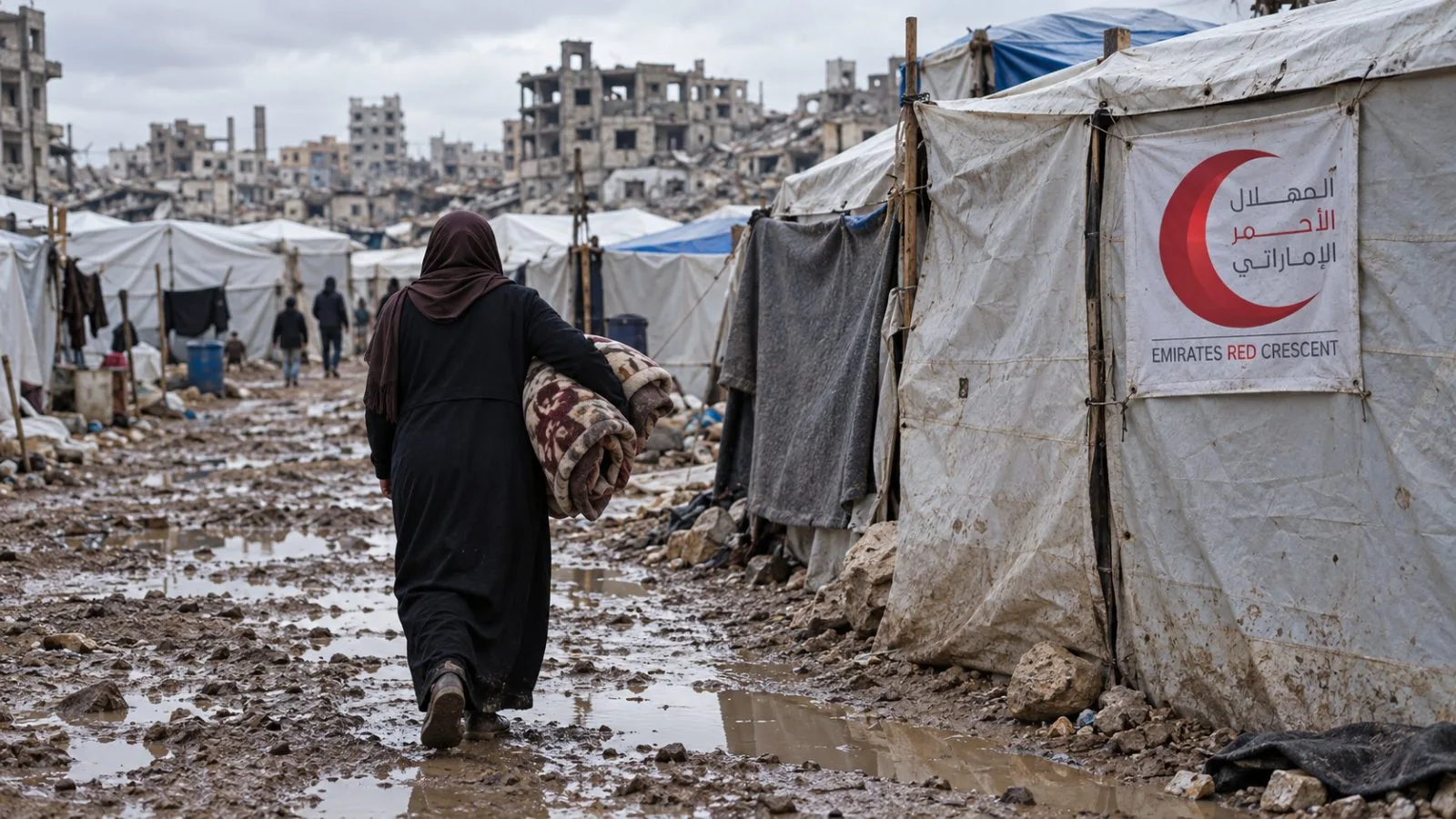
An IMF staff statement after its July visit said heightened uncertainty had weighed on tourism, transportation, trade and real estate. Separately, repeated closures of the Strait of Hormuz had dragged on activity more broadly. The IMF linked recovering oil exports to stronger hydrocarbon growth in the second half of 2026. For 2027, it tied a rebound to increased hydrocarbon production and recovering non-hydrocarbon activity, supported by the normalization of trade and tourism.
On Oct. 12, the Royal Swedish Academy of Sciences awarded the 2026 Sveriges Riksbank Prize in Economic Sciences in Memory of Alfred Nobel to Stanford University professor Robert E. Hall and Columbia University professor Michael Woodford. The Academy’s account highlights how policy communication can shape economic expectations. Hall used postwar U.S. data in a 1978 test of the life-cycle permanent-income hypothesis. Woodford’s 2003 book Interest and Prices set out a rules-based approach to monetary policy that emphasized explaining central bank decisions.
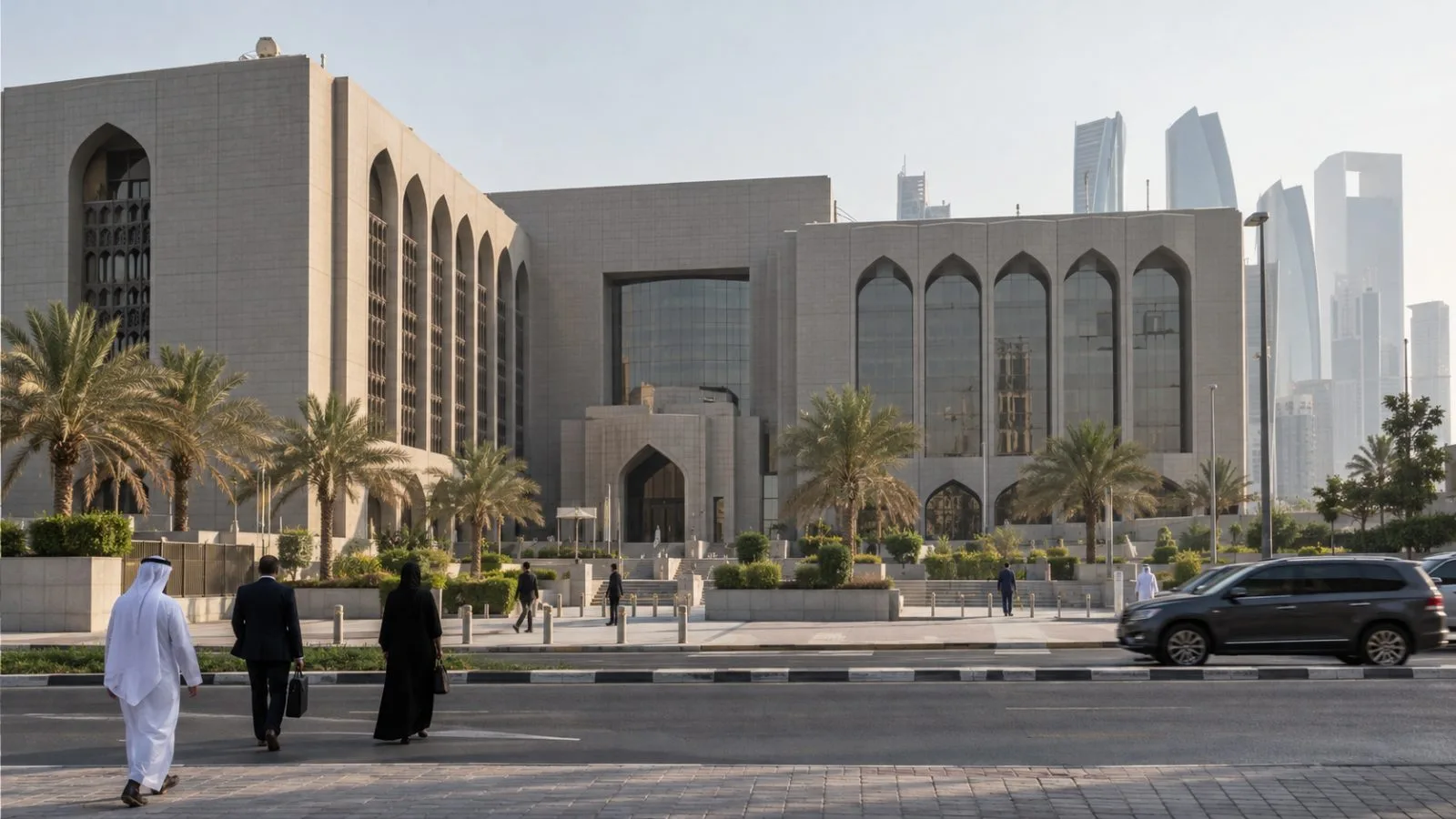
The UAE’s currency arrangement gives that question practical context. The Central Bank of the UAE maintains a fixed exchange rate between the dirham and the U.S. dollar, and says its Base Rate stays closely aligned with the Federal Reserve’s rate. That setup limits the central bank’s scope to set interest rates independently. In an Oct. 27 opinion for Gulf News, Damyana Bakardzhieva, a senior research fellow at Anwar Gargash Diplomatic Academy, argued that predictable government commitments could support confidence in the UAE’s prospects.
The IMF’s October report says cost-of-living shocks can reduce household purchasing power and worsen poverty and inequality. Its general guidance favors temporary support for vulnerable people while preserving price signals. The report estimates that measures that hold down prices may require three to 22 times the fiscal resources of targeted, temporary transfers; this is not a UAE-specific estimate.