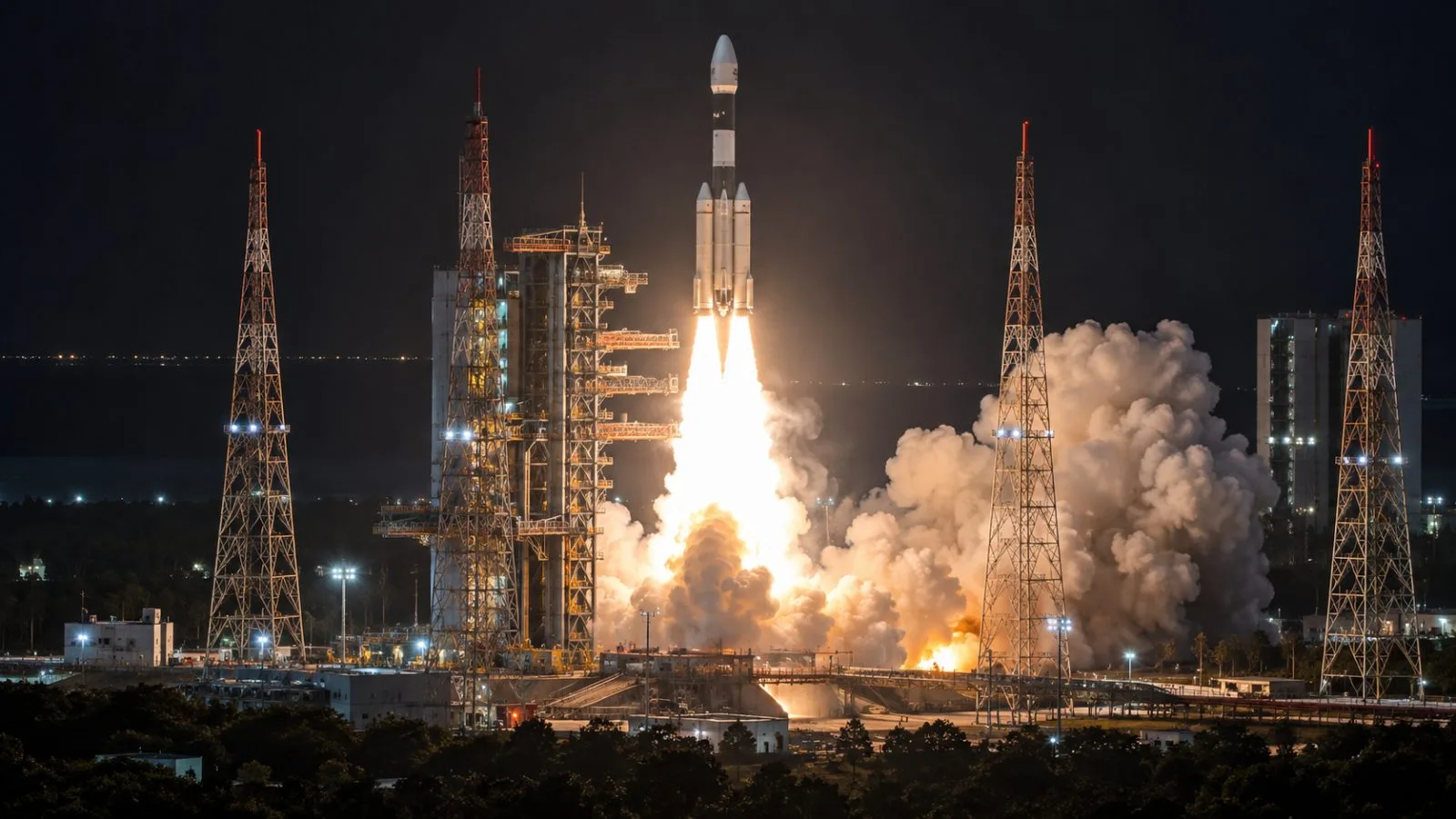
India is developing a microgravity research pipeline that could connect its pharmaceutical capabilities with planned human-spaceflight missions and future drug-development work.
The Indian Space Research Organisation’s Indian Microgravity Experiments (IMEx-2026) program is seeking proposals from Indian universities, laboratories, startups and industry. Its listed fields include pharmacology and drug research, biotechnology, space biology and in-space manufacturing.
Researchers must establish laboratory feasibility before projects can be considered for later terrestrial or orbital validation. Selected work could use ground-based microgravity platforms first, with flight opportunities subject to selection, safety and scientific requirements.
ISRO’s research agenda includes examining drug efficacy, pharmacokinetics, medicine stability and packaging in microgravity or simulated microgravity. It also includes work on drug-delivery systems. The proposed Bharatiya Antariksh Station remains in the conceptualization phase, with its architecture, modules and docking ports under study. India’s Department of Space has said funding would be sought after feasibility studies and formal government approval, while ISRO is targeting 2035 for the station.
At the Bengaluru Tech Summit, held Nov. 17–19, Biocon Executive Chairperson Kiran Mazumdar-Shaw said space technology might change molecular structures and lead to new compounds, uses and intellectual-property opportunities, CNA reported. The report was the sole source for her remarks.
CNA also reported that scientists are studying whether lower gravity changes crystal growth. On Earth, convection and sedimentation can affect how crystals develop; reduced gravity may produce more uniform protein crystals, making their structures easier to study.
A.S. Kiran Kumar, a former ISRO chairman, told CNA that researchers are considering ground experiments and parabolic flights so short microgravity studies can begin before orbital missions. CNA was the sole source for that statement.
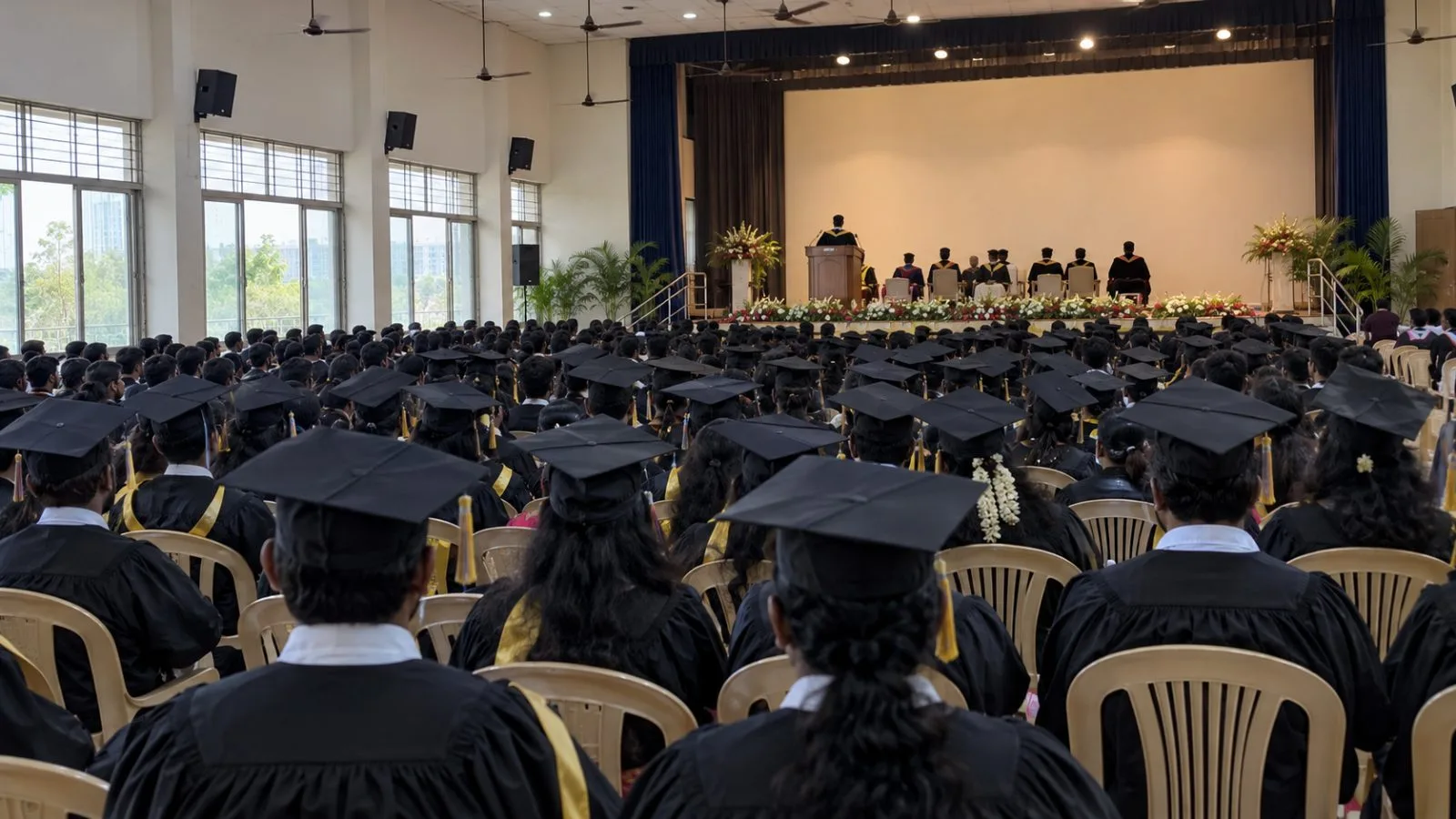
ISRO’s Human Space Flight Centre held India’s first national workshop on microgravity research in Bengaluru on July 15, with more than 270 delegates from academia, laboratories, industry, startups, government and ISRO centers. In May 2025, India announced biological experiments during the Axiom-4 mission on the International Space Station, including studies of microalgae and cyanobacteria exposed to microgravity and space radiation.
The practical test for the program is whether changes in crystal growth, fluid movement or cell behavior produce measurable benefits in formulation or delivery. Any resulting medicine would still need conventional laboratory, regulatory and clinical testing before approval.