India’s consumer inflation climbed above the Reserve Bank of India’s 6% ceiling in October as food prices accelerated, adding pressure ahead of the central bank’s December policy meeting.
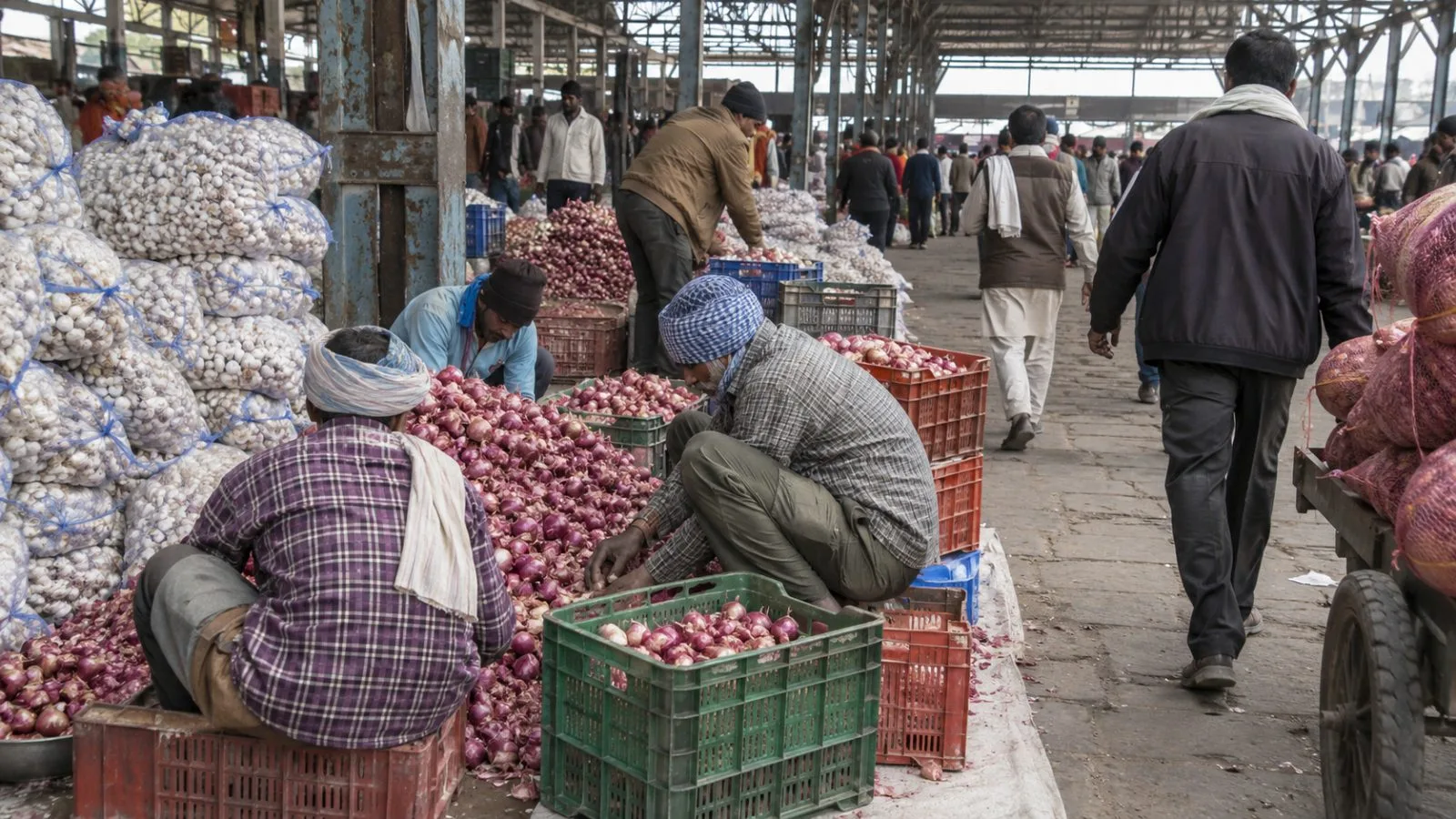
The Ministry of Statistics and Programme Implementation (MoSPI) reported a provisional October inflation rate of 6.09% in the Consumer Price Index (CPI), compared with 5.54% in September. The figures use a CPI series with a 2024 base year. Food inflation rose to 8.94% from 7.74%. Onion inflation reached 116.22% year over year and garlic inflation was 60.74%. The overall rate was 6.63% in rural areas and 5.41% in urban areas.
India’s inflation target is 4%, with a tolerance range of 2% to 6% from April 2026 through March 2031. The October reading exceeded the range’s upper limit. The RBI’s October projection put inflation at 6% for the October-December quarter and 5.7% for January-March.
Economists cited by Reuters see a December rate increase as likely, but differ on further tightening in 2027. ICRA Ltd. Chief Economist Aditi Nayar expects inflation to average about 6.2% this quarter. Oxford Economics Lead Economist Alexandra Hermann Prasad expects 25-basis-point increases in December and February 2027. Nayar said crude oil prices would help determine whether additional tightening is needed next year. Kotak Mahindra Bank Chief Economist Upasna Bhardwaj expects inflation readings to remain above 6% in coming months, citing food prices, a GST-related base effect and commodity costs, Reuters reported.
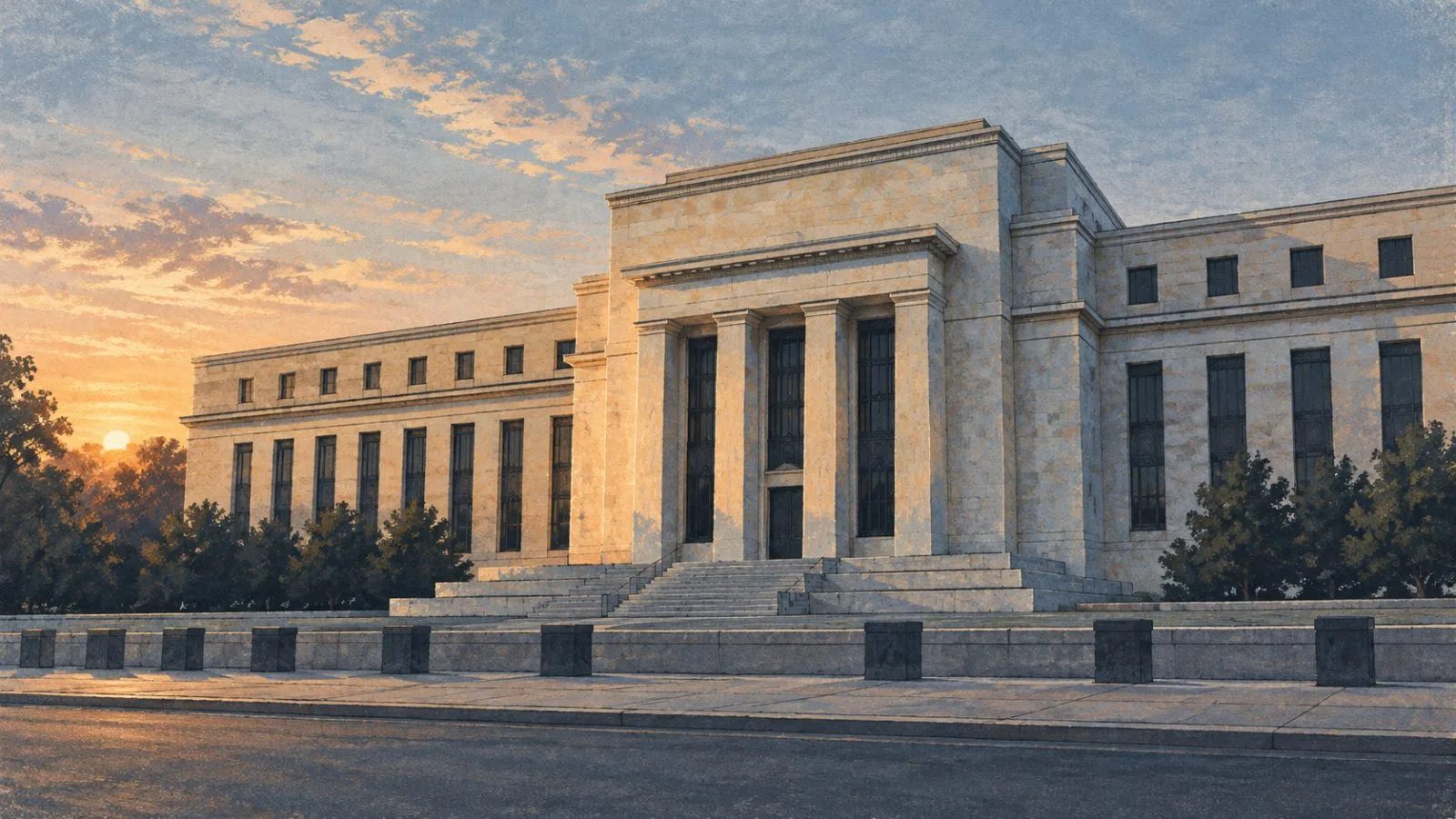
The RBI raised its policy repo rate by 25 basis points to 5.50% on Oct. 7 and adopted a “calibrated tightening” stance. It linked deficient monsoon conditions and El Niño to risks for agriculture and rural demand. Separately, it cited those weather factors, elevated energy prices and commodity costs as risks to inflation.
Vivek Rathi, national director of research at Knight Frank India, warned that higher household expenses and financing costs could weigh on housing affordability and homebuyer sentiment, Press Trust of India reported in a story carried by The Week.
The RBI’s next Monetary Policy Committee meeting is scheduled for Dec. 2-4. MoSPI has scheduled the November CPI release for Dec. 14.