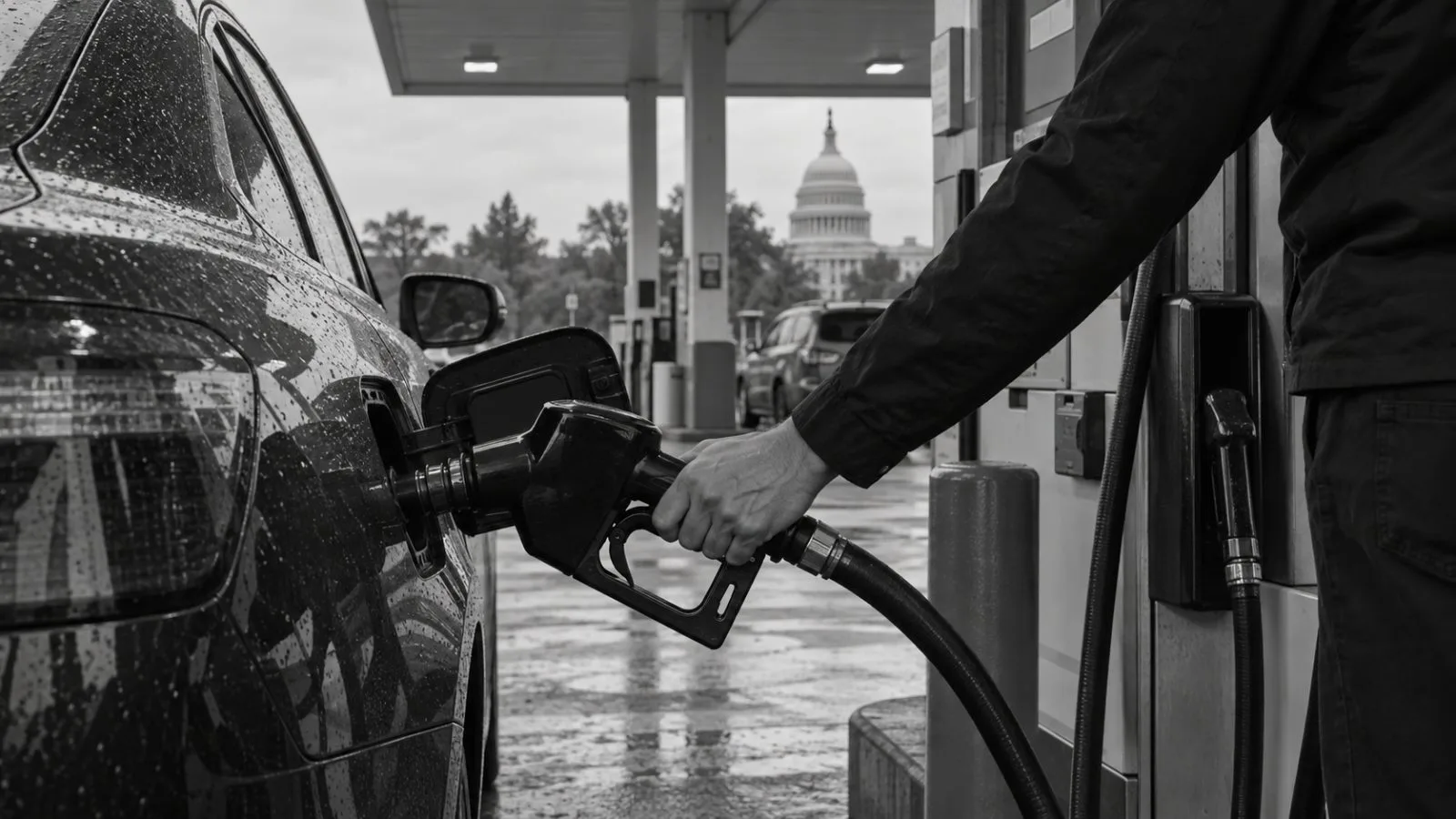
Effective March 26, 2026, the Indian government made a decisive fiscal action by significantly lowering the Special Additional Excise Duty (SAED) on motor fuels. This change in policy lowers the tax on gasoline from INR 13 to INR 3 per liter and totally does away with the INR 10 per liter tax on diesel. Effective reduction of the tax burden on vital fuels by INR 10 per litre helps the government to offset the inflationary pressures brought on by the volatility in world energy markets lately.
This calculated action provides a crucial defense against increasing crude oil prices brought on by growing tensions in the Middle East and logistical difficulties in the Strait of Hormuz. Beyond giving retail consumers instant relief, the tax reduction attempts to stabilize the profit margins of Oil Marketing Companies (OMCs), which had been absorbing increased input expenses. Although the federal government has moved on excise levies, the ultimate influence on pump prices will now rely on whether individual states decide to change their Value Added Tax (VAT) rates.
From a macroeconomic viewpoint, this involvement reflects a major budgetary sacrifice with an estimated yearly revenue loss of around INR 1.55 trillion. But the government sees it as a required compromise to keep prices from rising in the country and cover about 30–40% of the losses that fuel stores have suffered. This "price smoothing" approach follows a pattern seen in early 2026 and during the 2021-2022 period, where duties were first raised during low-price cycles to build a fiscal cushion and subsequently slashed to protect the economy during global supply shocks.