For 2026-27, Indian states budget about 4 trillion rupees for cash aid without conditions, 1% of GDP, a sign of direct support’s growing weight in state finances, PRS Legislative Research said.
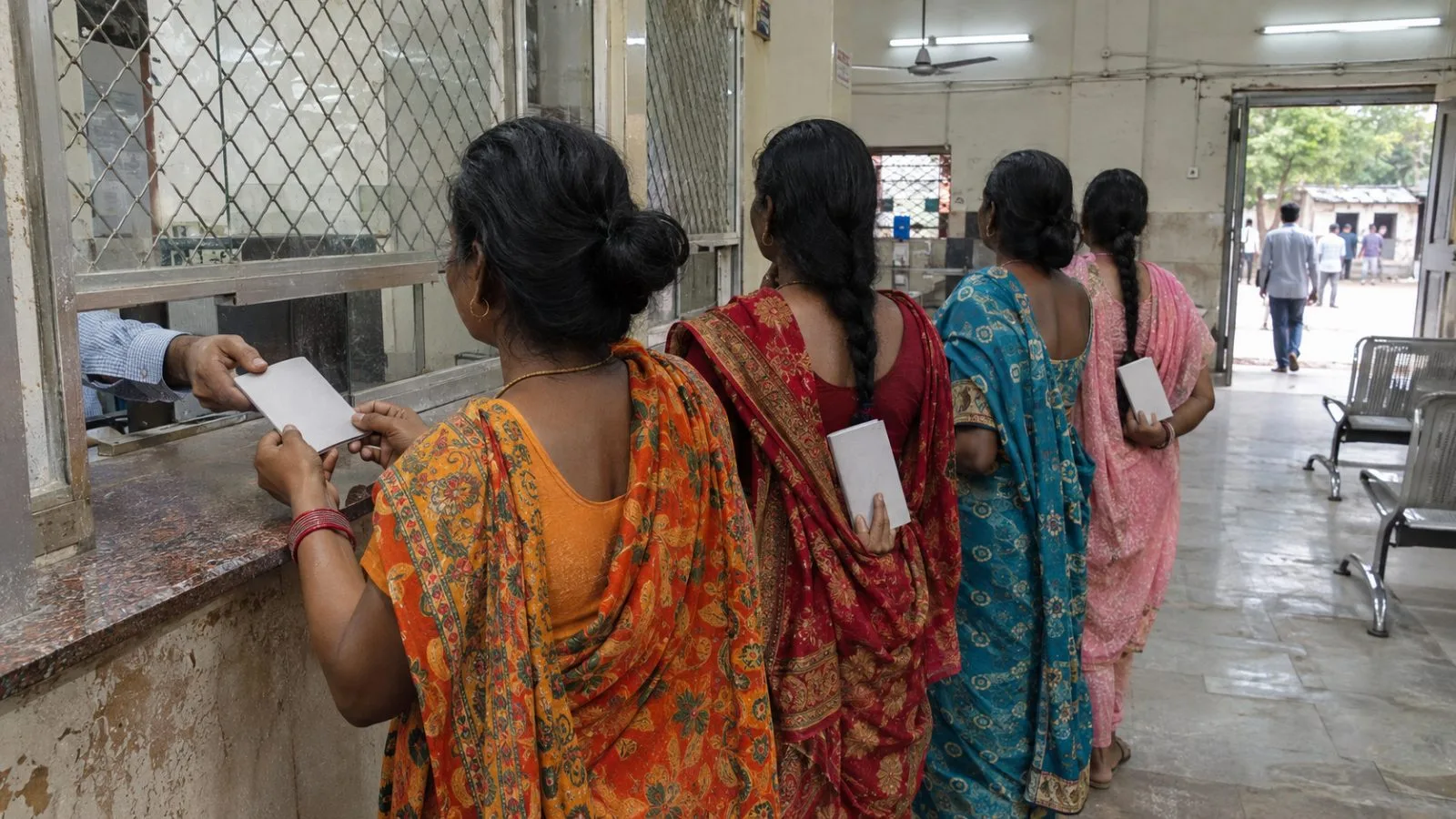
The budget estimate covers 128 identified unconditional cash-transfer schemes for women, farmers, young people and social security pension beneficiaries, including older people, widows and people with disabilities. Women and pension recipients account for nearly 90% of the identified outlay. PRS said its list is incomplete, so the actual spending may be higher. The comparable share in 2022-23 was 0.6% of GDP.
In a separate historical series, PRS put the items it groups as subsidies and transfers at 16% of state revenue receipts in 2018-19 and 21% in 2023-24, the latest year with actual data. The report says subsidies grew at an annualized rate of 12% over that period, while transfers grew at 24%. The comparison omits northeastern states other than Assam and Union territories because data were unavailable.
Among the states included, Chhattisgarh had the largest 2023-24 share, with the measure equal to about 40% of revenue receipts. Transfers alone made up 22% of receipts in Chhattisgarh, 20% in Andhra Pradesh and 18% in West Bengal. PRS links the higher transfer estimate to new programs and added funding for existing ones, citing Punjab’s budget for a women’s scheme in 2026-27 and increased allocations for women’s programs in Keralam and West Bengal.
Electricity support was a major part of the spending mix in some states. Power subsidies accounted for 70% of subsidies and transfers in Punjab and 56% in Uttar Pradesh in 2023-24. PRS said the support mostly went to electricity distribution companies that offered lower tariffs to agricultural and household consumers.
The Sixteenth Finance Commission’s separate analysis covered 21 states and used total revenue expenditure as its denominator. It put subsidies and transfers at 7.59 trillion rupees in 2023-24, up from 3.86 trillion in 2018-19, and said the latest figure equaled 20% of revenue expenditure. That percentage uses a different base from PRS’s comparison with revenue receipts.
The commission said broad transfer programs can strain state budgets and reduce room for capital investment and services such as education and health. It called for narrower eligibility rules and reviews to focus assistance on vulnerable groups. PRS also linked the faster growth of state revenue expenditure than revenue receipts since 2022-23 largely to higher subsidies and transfers. States estimate interest, salaries and pensions will absorb 52% of revenue receipts in 2026-27.