
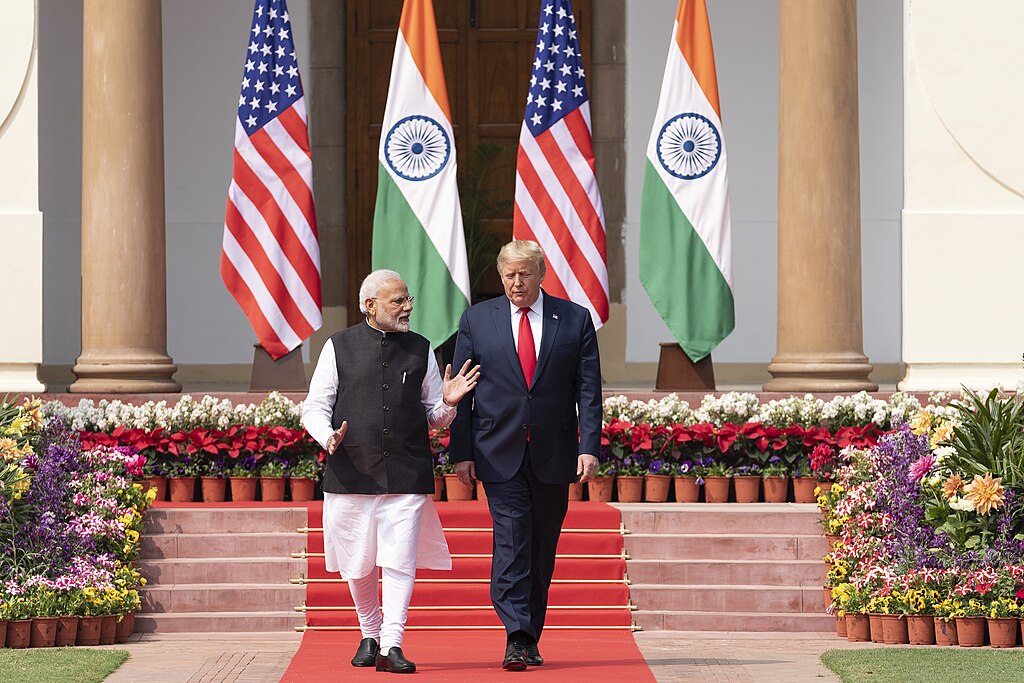
India and the United States have taken a significant step toward strengthening bilateral trade ties with the release of an interim trade framework that includes major tariff reductions on high-end American automobiles and motorcycles. Under the proposed deal, India will gradually reduce import duties on premium internal-combustion engine cars from as high as 110% to 30% over the next 10 years. Import tariffs on iconic American motorcycles such as Harley-Davidson will be completely eliminated, offering U.S. manufacturers improved access to one of the world’s fastest-growing auto markets.
The interim trade pact follows remarks by U.S. President Donald Trump, who said Washington would lower duties on Indian exports to 18% from 50% in return for India halting purchases of Russian oil. Although full details of the agreement have not yet been disclosed, Indian officials confirmed that tariff cuts would apply to traditional vehicles with engine capacities above 3,000 cc, marking a notable shift in India’s long-standing protectionist auto policy.
However, electric vehicles have been explicitly excluded from the tariff concessions, a move that effectively sidelines Tesla from benefiting under the deal. The exclusion runs counter to repeated calls by Tesla CEO Elon Musk for lower EV import duties in India and highlights New Delhi’s cautious approach to opening its domestic EV market. Indian officials indicated that no concessions on electric vehicles were offered to the U.S. side during negotiations.
This stance contrasts sharply with India’s ongoing trade discussions with the European Union, where deeper tariff cuts—potentially as low as 10%—are on the table across a broader range of vehicles, including limited concessions on electric cars over time. India, currently the world’s third-largest car market after the U.S. and China, has historically imposed steep import tariffs ranging from 70% to 110% to protect domestic automakers.
While India imports relatively few cars from the U.S., it does bring in premium motorcycles, and other high-end motorbike brands are also expected to benefit from reduced duties under the pact. The tariff cuts are expected to take effect after both countries formally sign the agreement, likely in March, marking a pivotal moment in India–U.S. trade relations.


