


 Bitcoin Bull Cycle Still Early as XRP, NEAR Consolidate
  Circle Stock Falls 4% as Crypto Selloff Overshadows SAP Pay Expansion
  XRP Price Eyes $1.50 as ETFs Attract $8.17M Inflows
  U.S. Banks Report Strong Q4 Profits Amid Investment Banking Surge
  Moldova Criticizes Russia Amid Transdniestria Energy Crisis
  Energy Sector Outlook 2025: AI's Role and Market Dynamics
  Dogecoin Liquidations Surge as DOGE Bulls Face Heavy Losses
  Geopolitical Shocks That Could Reshape Financial Markets in 2025
  Bitcoin Rebounds to $82K as Crypto Market Faces Weekly Losses
  U.S. Treasury Yields Expected to Decline Amid Cooling Economic Pressures
  XRP Holds Steady at $1.39 as Crypto Market Faces Heavy Liquidations
  UBS Predicts Potential Fed Rate Cut Amid Strong US Economic Data
  Gold Prices Slide as Rate Cut Prospects Diminish; Copper Gains on China Stimulus Hopes
  XRP Whale Activity Drops 27% in Eight Days Amid Market Sell-Off
  Cardano Hits Record 436 TPS as Network Scaling Advances
  Bank of America Posts Strong Q4 2024 Results, Shares Rise
  2025 Market Outlook: Key January Events to Watch


 Add as a preferred source on Google
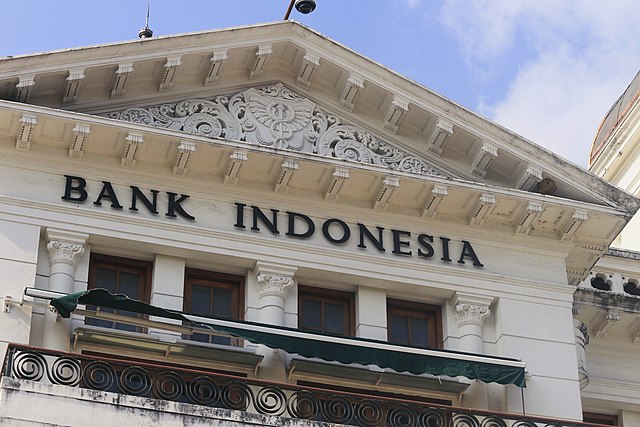
Indonesia’s central bank, Bank Indonesia (BI), unexpectedly reduced its benchmark 7-day reverse repurchase rate by 25 basis points to 5.75% on Wednesday, signaling a return to monetary easing. This marks the first cut since September, aimed at bolstering Southeast Asia’s largest economy despite ongoing currency volatility.
The decision surprised economists, as all 30 polled by Reuters predicted no rate change due to concerns over the rupiah. Alongside the benchmark cut, BI lowered its deposit and lending facility rates by 25 basis points to 5.00% and 6.50%, respectively.
BI Governor Perry Warjiyo stated that the rate cut aligns with expectations of low inflation in 2025 and 2026. He emphasized the need to balance inflation control with supporting economic growth, noting BI’s focus on maintaining the exchange rate within fundamentals.
Economic growth forecasts for 2024 and 2025 were slightly downgraded, with BI predicting growth between 4.7%-5.5% for both years. This is a reduction from the previous 2025 range of 4.8%-5.6%.
Following the announcement, the rupiah weakened to 16,325 per dollar, its lowest level since July, while the benchmark stock index gained 1.5%. Despite currency challenges, Warjiyo highlighted reduced uncertainties and confidence in measured policy adjustments.
Inflation remains moderate, with December’s annual rate at 1.57%, near the lower end of BI’s 1.5%-3.5% target. The central bank’s rate cut reflects its priority to stimulate growth while addressing financial market volatility.
This unexpected move demonstrates BI’s commitment to supporting economic recovery amid global uncertainties, balancing domestic stability with growth-oriented policies.







