


 France Targets Shein, Temu With Fast-Fashion Fees
  Iran Vows Tougher Response as U.S. Sanctions Squeeze Economy
  Sara Duterte Posts Bail Over Grave Threats Case
  FCC Steps Up China Tech Crackdown as Beijing Pushes Back
  Asian Stocks Mixed as Korean Chipmakers Rally
  South Korea GDP Surges on Chip and AI Boom
  Trump Grants Clemency to Jay-Z Associate Emory Jones
  Countries Tighten Social Media Bans for Children
  Putin Holds ‘Highly Useful’ Ukraine Peace Talks With Trump Envoys
  Trump’s Arlington Arch Project Faces New Court Restrictions
  Cuba Says No US Talks as Blockade Costs Hit $8.1 Billion
  Brazil Warns EU of Retaliation Over Animal Products Ban
  China Expands Influence in Global Gold Market
  Google Changes EU Spam Policy Amid Antitrust Scrutiny
  SEC Sues Former Tricolor Executives Over $1.9 Billion Investor Fraud Scheme
  Japan, U.S. Stay Aligned on Yen as Currency Surges
  U.S. Probes Apex Logistics Over Nvidia AI Chip Shipments to China


 Add as a preferred source on Google
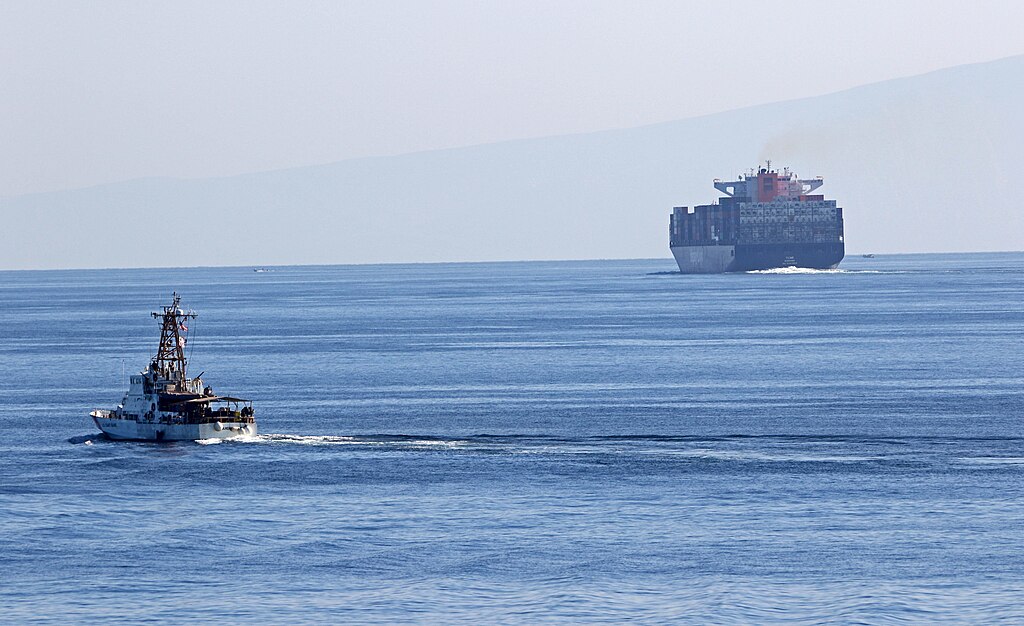
Shipping activity through the Strait of Hormuz has notably increased in recent days, appearing to validate statements made by U.S. President Donald Trump that Iran permitted a number of oil tankers to pass through the critical waterway as part of ongoing diplomatic talks.
At a Cabinet meeting, Trump revealed that Tehran allowed 10 oil tankers to transit the strait as a goodwill gesture during negotiations. "They said, to show you the fact that we're real and solid… we're going to let you have eight boats of oil… It ended up being 10 boats," Trump stated, calling the move a "present" from Iran amid active discussions.
Supporting data from Morgan Stanley aligns with this claim. The investment bank recorded three outbound tankers passing through the Strait on March 26 and revised its March 25 estimate upward to two vessels. Altogether, Morgan Stanley estimates approximately 12 vessels transited the Strait between March 23 and March 26 — a sharp contrast to just three vessels recorded during the previous four-day period from March 19 to 22.
This uptick follows a period of severe disruption driven by escalating tensions with Iran. Barclays commodity strategist Amarpreet Singh described the situation as producing "the largest geopolitical shock to energy markets since the 1990 Gulf War." The Strait of Hormuz, a vital chokepoint for global oil supply, handles a substantial portion of the world's daily crude shipments, meaning even modest traffic shifts carry significant weight in energy markets.
Singh further warned that a prolonged blockage could result in a loss of 13 to 14 million barrels per day, a scenario made more alarming given that global oil inventories were already tighter than they were before Russia's 2022 invasion of Ukraine.
While traffic levels remain below normal, the shift in direction is being closely watched as a potential early signal of de-escalation between the U.S. and Iran.







