


 Ukraine Tests New Anti-Drone Weapon After Successful Shahed Intercept
  Ovechkin Faces Scrutiny Over United Russia Campaign Video
  U.S. Issues Cuba Health Alert as Illnesses Rise
  Judge Blocks Trump Rule Limiting Foreign Student Visas
  Countries Tighten Social Media Bans for Children
  Nvidia CEO Jensen Huang Expected at Trump-Xi State Dinner
  Synthetic data could ease people’s concerns about privacy breaches. But who gets to create it?
  What is Zionism? The different meanings of a contested term
  US Judge Dismisses Imran Ahmed Deportation Lawsuit
  South Korea’s Cho Hyun to Meet Rubio in Washington
  Australia Defends Social Media Algorithm Law Amid US Concerns
  US Confirms Weapons in Orbit as Space Tensions Rise
  Saudi Arabia Shuts East-West Oil Pipeline After Drone Attack
  DOJ Will Investigate AI-Related Crimes, Attorney General Blanche Says
  US Immigration Arrests Surge as Deportations Lag Behind
  Trump Grants Clemency to Jay-Z Associate Emory Jones
  Google Changes EU Spam Policy Amid Antitrust Scrutiny


 Add as a preferred source on Google
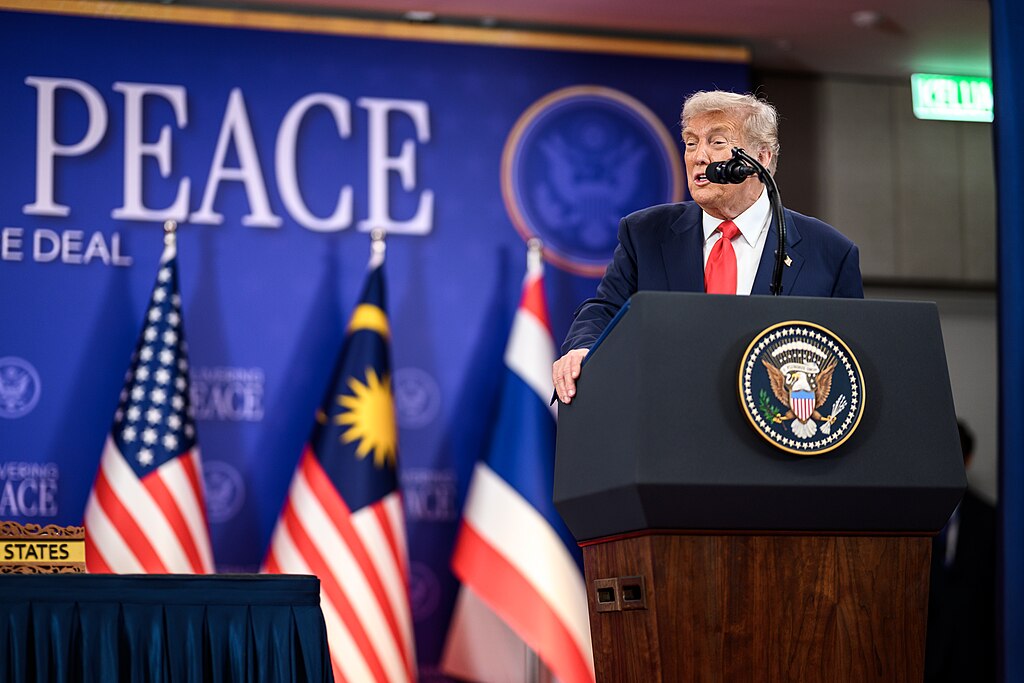
U.S. President Donald Trump has signed a sweeping executive order expanding sanctions against Cuba, intensifying pressure on the island’s government and its international partners. According to White House officials, the new measures aim to penalize individuals, companies, and organizations that support Cuba’s security apparatus or are involved in corruption and human rights abuses.
The updated sanctions framework broadens the scope to include “any foreign person” operating in critical sectors of the Cuban economy. These sectors include energy, defense, financial services, metals and mining, and other key industries. The order also introduces secondary sanctions, meaning non-U.S. companies and financial institutions could face penalties if they conduct or facilitate transactions with sanctioned Cuban entities. This marks a significant escalation in U.S. foreign policy toward Cuba, potentially affecting global businesses with ties to the island.
While specific targets have not yet been disclosed, experts say the move could have far-reaching consequences. Jeremy Paner, a former U.S. Treasury sanctions investigator, noted that companies that previously separated their Cuban operations from U.S. activities may no longer be shielded from penalties. Industries such as oil, gas, and banking are expected to feel the immediate impact.
Cuba’s Foreign Minister Bruno Rodriguez strongly criticized the sanctions, calling them “unilateral coercive measures” that violate international law and the United Nations Charter. He argued that the actions are designed to impose collective hardship on the Cuban population, emphasizing that Cuba will not be intimidated.
The sanctions come amid heightened geopolitical tensions, with the Trump administration linking Cuba to hostile foreign alliances and security concerns near U.S. borders. In recent months, the U.S. has also taken aggressive actions against Venezuela, including cutting off oil exports to Cuba, which has worsened fuel shortages on the island. These shortages have contributed to widespread blackouts and disruptions, including reduced airline operations.
The latest sanctions highlight the administration’s broader strategy to isolate Cuba economically and politically while pressuring it to implement reforms.







