


 Cuba Says US Contacts Continue but Formal Talks Remain Stalled
  Flavio Bolsonaro, Lula Head to Brazil Election Runoff
  UK Warned Over Growing Reliance on US Cloud Providers
  US Caribbean Vessel Strike Kills Four
  Iran Keeps Strait of Hormuz Closed as War Talks Stall
  Ukraine Faces $56 Billion Budget Gap as War Costs Soar
  India-US Trade Deal Talks Hit Plateau, Sitharaman Says
  Takaichi Pledges to Control Japan Bond Issuance
  Trump Plans Diesel Tax Relief as Fuel Prices Hit Record Highs
  Nicaragua Withdraws From Central American Parliament
  Trump Offers US Help to Russia After Plague Lab Worker Dies
  Fairshake Backs 32 Pro-Crypto House Candidates
  Australia Probes Flydubai Co-Pilot’s Links After FZ1073 Hijack Attempt
  Flavio Bolsonaro, Lula Head to Brazil Presidential Runoff
  Russian Bombs Kill Six, Injure Nearly 60 in Kharkiv
  OPEC+ Keeps November Oil Output Targets Steady
  Ethiopia-Tigray Fighting Intensifies as Airstrikes Kill 17


 Add as a preferred source on Google
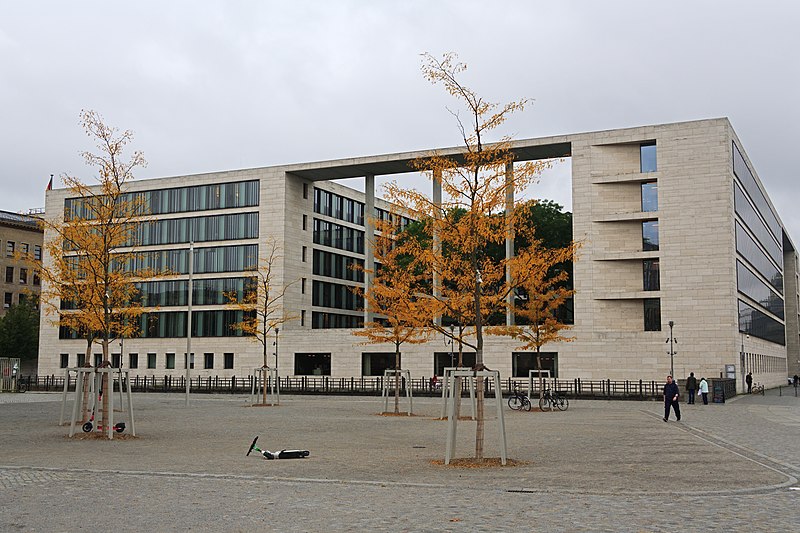
The German foreign ministry said it summoned the Iranian ambassador to Berlin for talks. The talks come amidst the country’s concerns over Iran’s track record on human rights.
The spokesperson for the German foreign ministry said on Monday that the Iranian ambassador was summoned to the ministry for talks. The spokesperson did not give further details, but the talks come amidst Berlin’s concerns over Tehran’s track record on human rights in light of the ongoing protests that have been taking place since September last year.
Demonstrations erupted across Iran following the death of Mahsa Amini, a Kurdish Iranian woman who died in the custody of the morality police. The protests mark the biggest challenge to the country’s clerical rulers since the 1979 Revolution. Tehran has also sought to blame its foreign adversaries for the ongoing protests and has also ramped up its crackdown on the demonstrations, having executed four people on protest-related charges.
The Iranian ambassador’s meeting with the German foreign ministry came the day before a German national was arrested in Iran for allegedly taking photos of “sensitive oil centers” in a province in southern Iran, according to the Iranian daily Jam-e-Jam outlet on Tuesday. The Iranian judiciary had yet to comment on the matter.
Iran also executed British-Iranian national and former Iranian deputy defense minister Alireza Akbari, who was convicted on charges of spying for the United Kingdom, drawing backlash from the West. The United States strongly condemned the execution, as London said the charges against Akbari were politically motivated.
“We were appalled by the execution of Mr. Akbari just as we’ve been appalled by everything we’ve been seeing on the streets of Iran over the last months since these protests began: mass arrests, sham trials, the executions, the use of sexual violence as a tool for protests’ suppression,” Secretary of State Antony Blinken told a news conference.
“These abuses will not go without consequence. Together with many other countries, we’ve been moving forward with a variety of unilateral actions, multilateral measures, using UN mechanisms, to try to hold Iran to account,” Blinken added.
EU commission chief Ursula von der Leyen also expressed her support towards designating Iran’s Revolutionary Guards as a terrorist group on Tuesday. On the sidelines of the World Economic Forum in Davos, von der Leyen said she supported the designation for the IRGC in light of Tehran’s “trampling” of human rights as highlighted in the ongoing protests.







