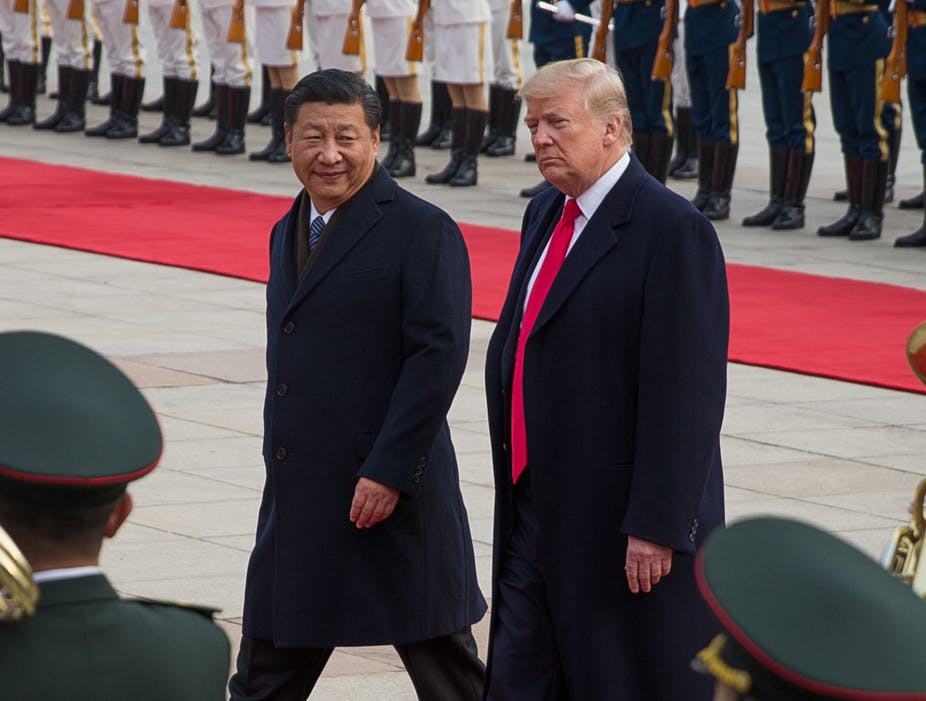
U.S. President Donald Trump is expected to pressure Chinese President Xi Jinping to help end the ongoing Iran conflict during their upcoming meeting, but analysts believe Beijing is unlikely to fully cooperate. China remains one of Iran’s strongest economic and strategic allies, making it difficult for Washington to secure meaningful concessions despite rising geopolitical tensions and soaring global oil prices.
The conflict between the United States and Iran has created instability across global energy markets, especially around the Strait of Hormuz, a critical shipping route for international oil supplies. China, as the world’s largest buyer of Iranian oil, has significant influence over Tehran. Trump administration officials reportedly hope Beijing can encourage Iran to return to negotiations and stabilize the region. However, China’s leadership appears more focused on protecting its long-term regional interests than aligning with U.S. foreign policy goals.
Experts say China benefits strategically from the situation because it diverts American military attention away from the Indo-Pacific region. At the same time, Beijing wants the Strait of Hormuz to remain open since much of its oil imports pass through the waterway. While China may support diplomatic discussions, analysts doubt Xi will cut economic ties with Iran or restrict the flow of dual-use goods that support Iran’s military operations.
The United States still holds powerful economic tools, including sanctions targeting Chinese financial institutions involved in Iranian oil trade. However, experts warn that imposing sanctions on major Chinese banks could trigger severe economic retaliation from Beijing and reignite a damaging trade war between the world’s two largest economies. Concerns also remain over China potentially restricting exports of critical rare earth minerals essential to U.S. industries.
Analysts believe China will continue balancing its economic interests, regional influence, and rivalry with the United States while avoiding deeper involvement in the Middle East conflict.