The renewed escalation of the Iran war has intensified concerns over civilian casualties after Iranian officials said 18 people were killed in the latest U.S. strikes, including four at a wedding near the Strait of Hormuz.
Iran’s health minister said Tuesday night’s U.S. attacks across the country left 18 dead and 108 wounded. The Iranian Red Crescent reported that a strike near a wedding ceremony killed four people and injured 67 others.
The latest fighting has raised alarm across the Middle East. Iran retaliated with missile and drone attacks targeting what it described as U.S. assets in Bahrain, Jordan, Kuwait and Iraq.
Combat had largely subsided following the previous exchange in July, but diplomatic efforts failed to produce a breakthrough. U.S. President Donald Trump has threatened additional military action, while Iran has maintained a defiant stance despite significant economic and military losses.
United Nations Secretary-General Antonio Guterres was “deeply alarmed” by reports of civilian casualties, including the reported wedding strike, spokesperson Stephane Dujarric said. Guterres called for an immediate end to military action and urged all sides to comply with international humanitarian law.
The Human Rights Activists News Agency (HRANA) had documented 3,636 deaths in Iran as of April 7, including 1,701 civilians. The U.S. has reported 18 military personnel killed and more than 750 wounded.
U.S. Central Command spokesperson Navy Captain Tim Hawkins said the military was aware of the Iranian reports but maintained that U.S. forces do not target civilians.
The wedding strike has also renewed scrutiny of an earlier attack on a girls’ school in Minab that killed 160 people. The Pentagon has not released an official finding, although Reuters reported that outdated targeting data may have contributed to the incident.
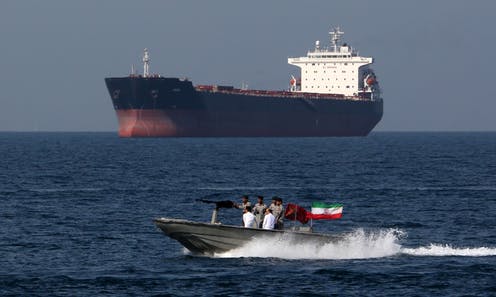
Meanwhile, Iran continues to threaten oil tankers attempting to pass through the Strait of Hormuz without its authorization. Traffic through the crucial waterway, which carried about 20% of global oil supplies before the war, has been severely disrupted, adding energy-market concerns to the mounting humanitarian toll.