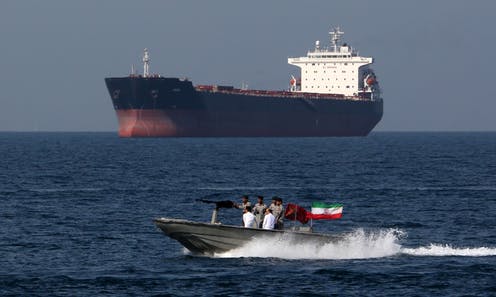
Iran war mediators are stepping up efforts to restore normal shipping through the Strait of Hormuz, with Tehran agreeing to prepare conditions for reopening the vital waterway following diplomatic pressure from Qatar.
Qatari Prime Minister and Foreign Minister Sheikh Mohammed bin Abdulrahman Al Thani visited Tehran on Thursday, urging senior Iranian officials to respect freedom of navigation under international law. The renewed push comes as the United States shifts away from direct negotiations and focuses instead on economic pressure against Iran.
Qatar and Pakistan helped broker a June memorandum that produced a ceasefire and outlined shipping arrangements for the Strait of Hormuz. Before the war began six months ago, the strategic passage between Iran and Oman handled about 20% of global oil supplies.
Iran subsequently threatened vessels attempting to cross the strait without authorization, sharply reducing maritime traffic and contributing to higher oil prices.
Mohsen Rezaei, secretary of Iran's Supreme National Security Council, said Tehran was drafting a list of conditions for restoring normal traffic. He also said Iran and Oman had agreed on the concept of a shipping corridor spanning their respective waters. Commercial vessels could use a designated central channel if Washington accepted Iran's requirements.
Previous Iranian demands have included lifting U.S. sanctions, ending restrictions on Iranian ports and providing compensation. Whether Tehran will modify those conditions remains uncertain.
Diplomatic progress has been limited since the June agreement collapsed over disagreements about Iran's authority over shipping. President Donald Trump later declared the memorandum finished.
Iran's Revolutionary Guards said Wednesday that Tehran and Oman had reached an initial understanding on managing Strait of Hormuz traffic and sharing revenues, although a senior Iranian source said negotiations were still underway.
Meanwhile, U.S. Central Command chief Admiral Brad Cooper said American forces had cleared Iranian sea mines and helped roughly 1,500 commercial vessels carrying nearly 750 million barrels of crude oil transit the waterway in recent months.
Despite U.S. claims that international shipping lanes are open, Iranian threats continue to discourage vessels. Ship-tracking estimates place traffic at only around 5% to 15% of normal levels.
The International Maritime Organization has recorded 70 incidents in the Strait of Hormuz since the war began, resulting in the deaths of 19 seafarers.