Iran's foreign minister said renewed Israeli attacks could bring consequences for the global economy, leaving open strikes on civilian targets in neighboring countries, Bloomberg Television reported.
The comments added to concerns about a wider conflict while oil shipments continued through the Strait of Hormuz. Attacks by Yemen-based Houthis on Saudi Arabia also heightened concerns about supplies.
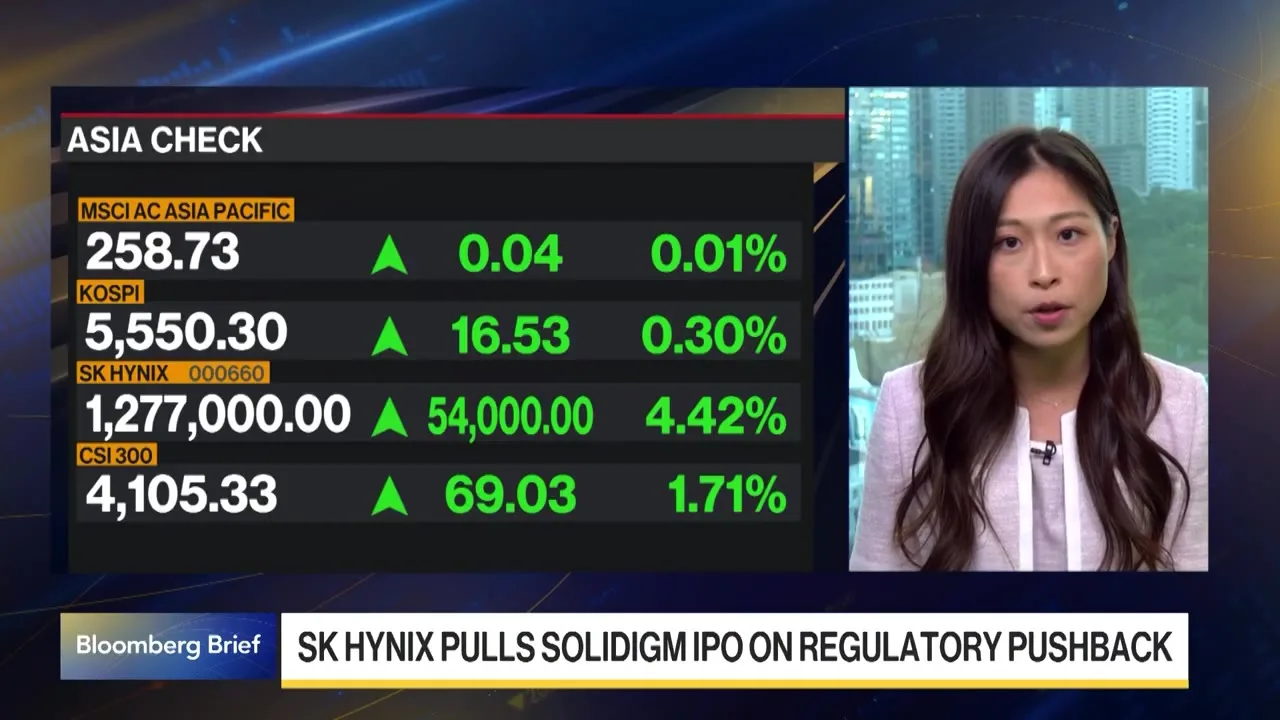
The minister made the comments in a Financial Times opinion article discussed on Bloomberg Brief, published Oct. 23. The remarks addressed the consequences of renewed attacks but left open whether Iran would strike civilian sites in neighboring countries.
The minister described the possible consequences of renewed Israeli attacks as dire. He did not rule out civilian targets when discussing how Iran might respond, linking the consequences of another conflict to the global economy.
Bloomberg reported that Israel and the United States were considering renewed attacks on Iran. That prospect added another source of uncertainty alongside the confrontation between the Houthis and Saudi Arabia.
Brent crude approached $114 a barrel and was on course for a third consecutive weekly gain, Bloomberg said. The rise accompanied concerns about attacks on Saudi Arabia and the possibility of a broader return to fighting.
The Saudi incidents included an attack at an airport and another at an Aramco facility in the kingdom's Eastern Province. Employees at Aramco's headquarters were told to work from home after alarms sounded. The reason for those alarms was unclear.
Iran also addressed shipping through the Strait of Hormuz, a passage used to carry crude oil to world markets. Iranian state media said movements of crude that Iran considered illicit would be halted or had already been stopped.
The statement left unclear whether the halt had already taken effect. It also said the Islamic Revolutionary Guard Corps would confront attempts to move those shipments through the strait.
Shipping nevertheless continued through Hormuz. The continued passage of vessels did not resolve the uncertainty over which cargoes Iran would challenge or how it would enforce the restrictions described by state media.
Freight and insurance costs remained elevated even as crude moved through the waterway. Those costs formed part of the disruption facing shipments alongside the threat of further fighting.
The minister's remarks did not specify a timetable for any Iranian response or identify civilian targets. They left open both the scope of possible retaliation and whether renewed attacks would produce a wider conflict involving neighboring countries.