The United States, Israel and Iran are facing intertwined political and economic pressures as Washington asserts control over the Strait of Hormuz, Iran confronts a steep projected downturn and Israel begins forming a new government.
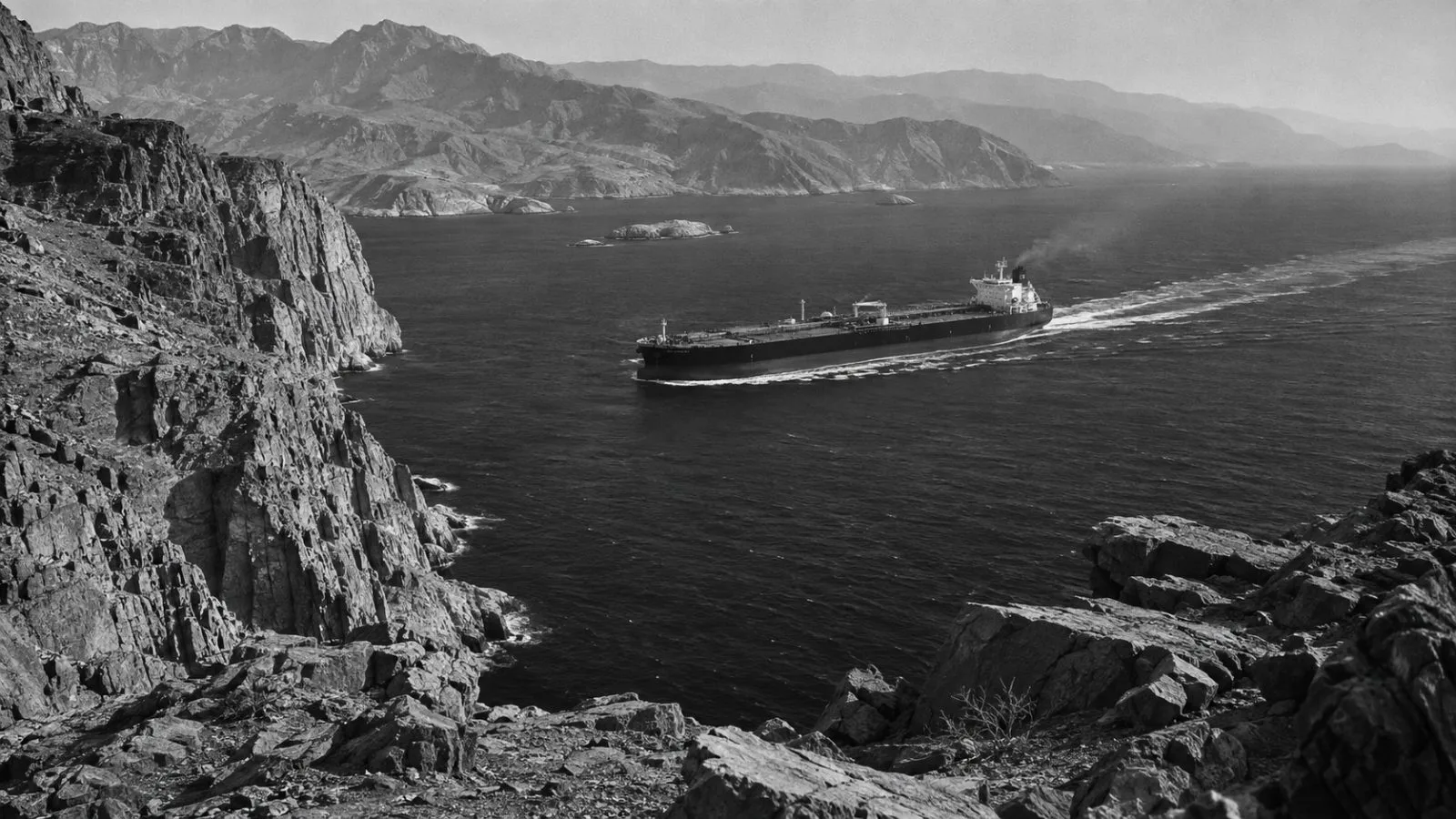
The White House said Aug. 28 that the United States controls the Strait of Hormuz and described a U.S. blockade. Its release quoted the government as saying, “The United States — not the Islamic Republic of Iran — controls the Strait of Hormuz.”
The White House also said President Donald Trump and Vice President JD Vance signed a 60-day memorandum of understanding with Iran in June. The agreement was intended to prevent Iran from obtaining a nuclear weapon and to reopen the waterway.
The World Bank forecasts Iran’s GDP will shrink 7.7% in 2026. It forecasts average consumer-price inflation of 74.2% and unemployment of 9.2%, underscoring the scale of the economic strain documented in the data.
Israel is entering a separate political transition. President Isaac Herzog assigned Yashar party leader Gadi Eisenkot to form a government after consultations with Knesset factions following the 26th Knesset election. “Gadi Eisenkot, I hereby task you with forming the government,” Herzog said in the announcement.
A Nov. 20 commentary in The National described the region as a three-way contest shaped by domestic politics in the United States, Israel and Iran. The commentary argued that Gulf and other regional governments face simultaneous security and economic risks and should pair diplomatic efforts with resilience and defense planning.
G7 leaders said in a statement quoted by the White House, “We recognize the breakthrough and the opportunity that currently exist in the Middle East.”