In a Nov. 6 commentary for BusinessDay, Nigerian finance executive Sonny Iroche revisited a plan to move House of Representatives elections to the midpoint of a presidential term, requiring constitutional change. He first set out its terms in a Nov. 2 BusinessDay column.
The Associated Press called Democratic control of the Senate at 11:36 p.m. ET Tuesday, Nov. 3, and the House at 1:24 a.m. ET Wednesday, Nov. 4. Reuters also reported that Democrats had won both chambers.
Iroche’s proposal would initially keep Senate elections on the presidential schedule. For the House, it calls for one transitional two-year term before four-year terms resume, with the shorter period disclosed before candidates stand for election.
USAGov says voters elect the entire U.S. House every two years, while about one-third of Senate seats come up for a vote in that period. Iroche says a separate Nigerian House contest would let voters assess members’ committee work and scrutiny of public spending apart from a presidential campaign.
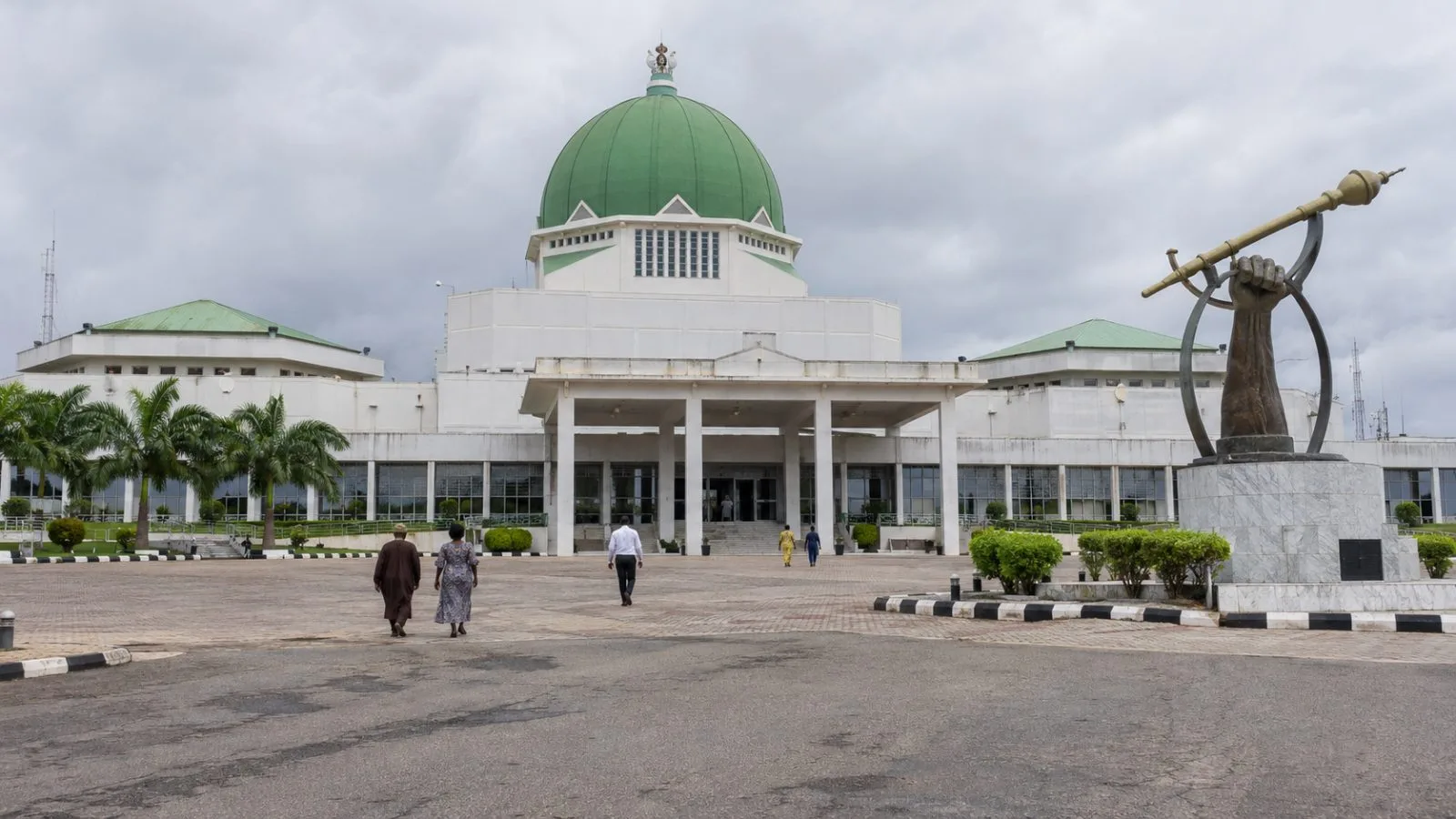
Section 64 of Nigeria’s Constitution sets the dissolution point for the National Assembly at four years from the first sitting of the House. Changing the House election timing would therefore require an amendment. Section 9 requires support from two-thirds of the Senate’s total membership and two-thirds of the House’s total membership, plus approval by at least 24 of Nigeria’s 36 state assemblies. EconoTimes previously detailed the constitutional hurdles facing the proposal.
Iroche says another nationwide vote would add demands on public funding, election staff and security personnel. He also warns that a House in conflict with the president could delay a necessary budget for political advantage.
As an example of legislative independence, Iroche points to a May 2006 Senate vote rejecting a package of constitutional amendments that included a provision allowing then-President Olusegun Obasanjo to seek a third term.