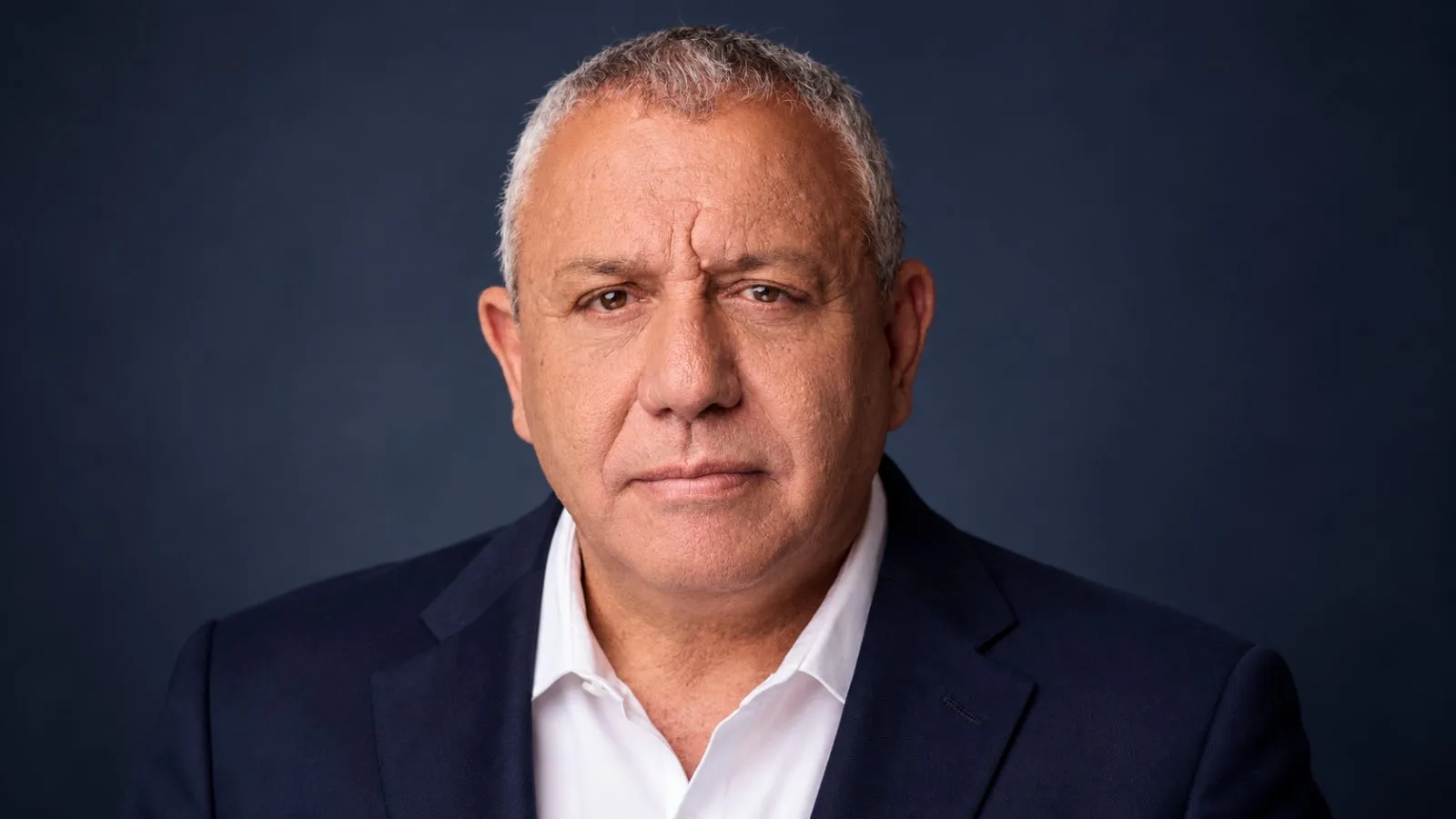
A faction recommendation lead has put opposition leader Gadi Eisenkot ahead of Prime Minister Benjamin Netanyahu in Israel's government-formation process, while President Isaac Herzog says coalition prospects remain uncertain.
Factions representing 67 lawmakers recommended Eisenkot, while factions representing 46 recommended Netanyahu. The totals reflect faction recommendations, not commitments to join a future government, as earlier EconoTimes coverage of the recommendation process explained.
Israel's Oct. 27 election left no clear route to a majority. Eisenkot's alliance of four Jewish-led parties won 48 seats, while Likud won 27 and Netanyahu's wider religious-nationalist bloc has 53 of the Knesset's 120 seats. A majority requires 61.
Two Arab-led parties won 19 seats combined and also recommended Eisenkot. Both Eisenkot and Netanyahu have ruled out forming a government with them, so their recommendations do not resolve the coalition arithmetic.
Herzog said disagreements within and between political blocs made it difficult to judge who could secure a workable coalition. He plans more conversations with party leaders over Israel's Friday-Saturday weekend, then expects to announce his choice Sunday, Nov. 8.
United Torah Judaism, a longtime Netanyahu ally, declined to recommend any candidate. The Times of Israel tied the party's break with Netanyahu to his coalition's failure to secure a military-service exemption for ultra-Orthodox men. Yashar said Eisenkot's 67 recommendations were the most received by any candidate since 2015, Al Jazeera reported.
The lawmaker who receives the mandate will have 28 days to assemble a government, and Herzog may grant up to 14 additional days. Netanyahu will remain prime minister in a caretaker role while talks continue; if no candidate succeeds, Israel must hold another election.