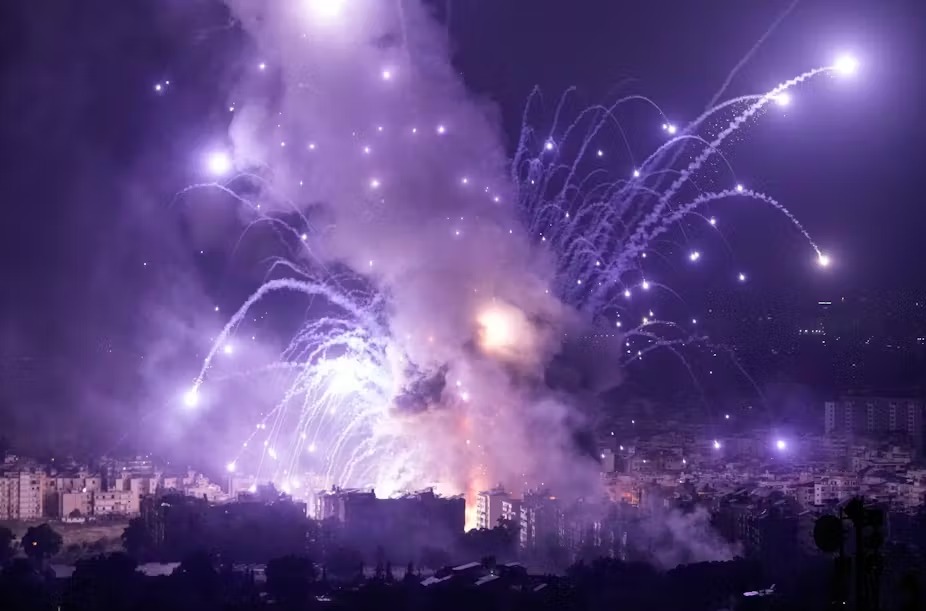
A Lebanese armed group, Hezbollah, said on Monday that an Israeli airstrike in southern Lebanon killed Ali Nour al-Din, a television presenter who worked for Al-Manar, the group’s affiliated media outlet. The incident has intensified concerns about a potential escalation of hostilities and the growing risks faced by journalists and media workers amid ongoing tensions between Israel and Hezbollah.
According to Hezbollah, the strike represents a dangerous expansion of Israel’s military actions in Lebanon, warning that the media community could increasingly become a target as hostilities continue. The group framed the killing as part of a broader pattern of aggression, saying Israel’s actions threaten not only fighters but also civilians and journalists operating in conflict zones.
The Israeli military, however, rejected the claim that al-Din was solely a media professional. In a statement issued later on Monday, Israel said al-Din was a Hezbollah militant who had recently been involved in efforts to rehabilitate the group’s artillery capabilities in southern Lebanon. Israeli officials argued that the strike was directed at a legitimate military target and accused Hezbollah of using civilian roles, including media positions, as cover for militant activity.
The killing comes despite a U.S.-brokered ceasefire agreed to by Israel and Lebanon in 2024, which was intended to end more than a year of cross-border fighting. That conflict culminated in a series of Israeli strikes that significantly weakened Hezbollah, the Iran-backed armed group. Since the ceasefire took effect, both sides have repeatedly accused each other of violations, highlighting the fragility of the agreement.
Meanwhile, Lebanon is under increasing pressure from both the United States and Israel to disarm Hezbollah and curtail its military influence. Hezbollah’s leadership has expressed fears that Israel could sharply escalate strikes across Lebanon, which has already suffered severe economic and infrastructure damage. Analysts say such an escalation could be aimed at forcing the Lebanese government to take faster and more decisive action to confiscate Hezbollah’s weapons, further destabilizing an already volatile region.