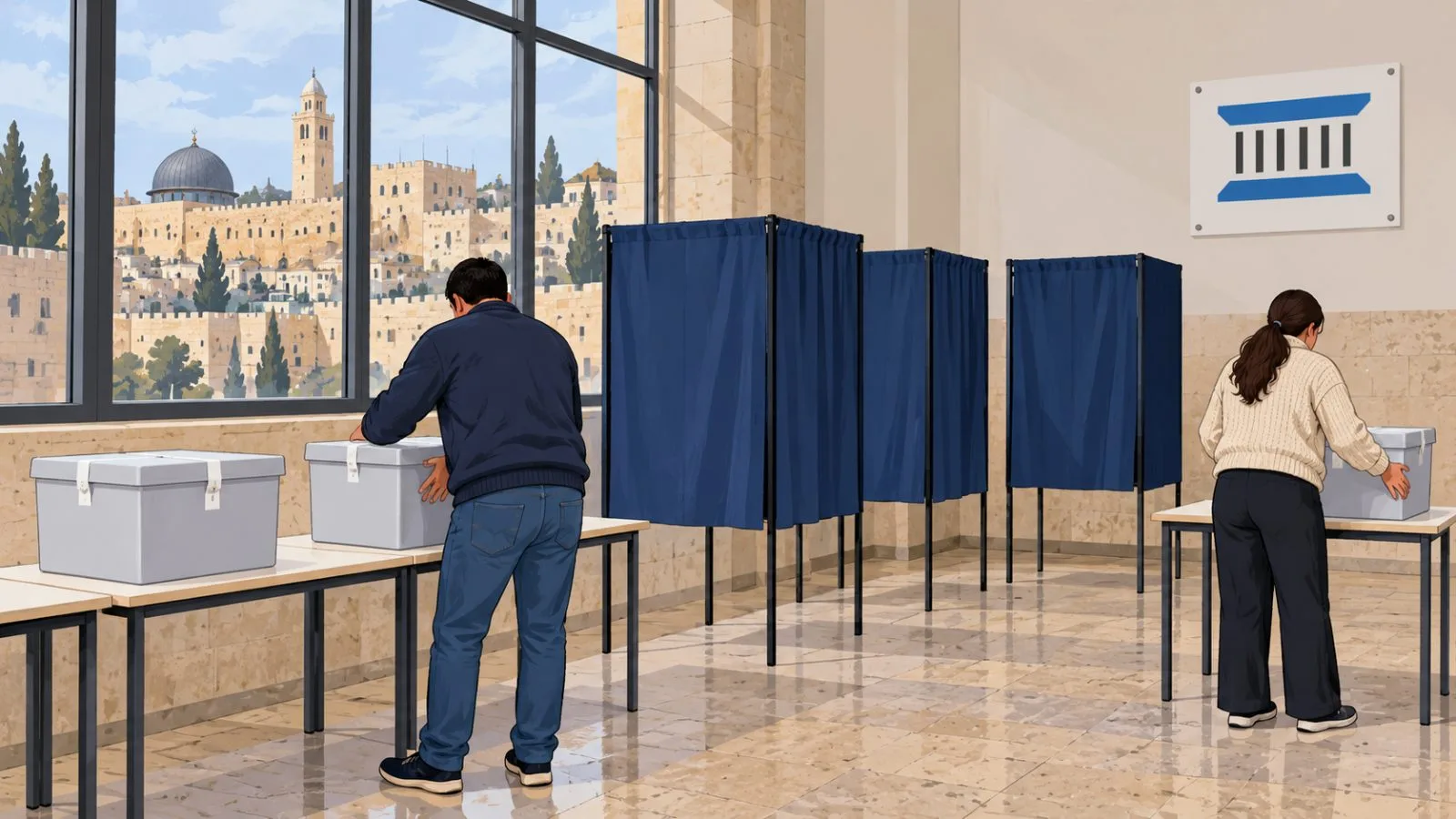
Before Israel’s Oct. 27 election, an Israel Democracy Institute survey found Jewish respondents most often cited party positions on foreign affairs and security, while Arab respondents most often cited parties’ positions on crime in Arab society.
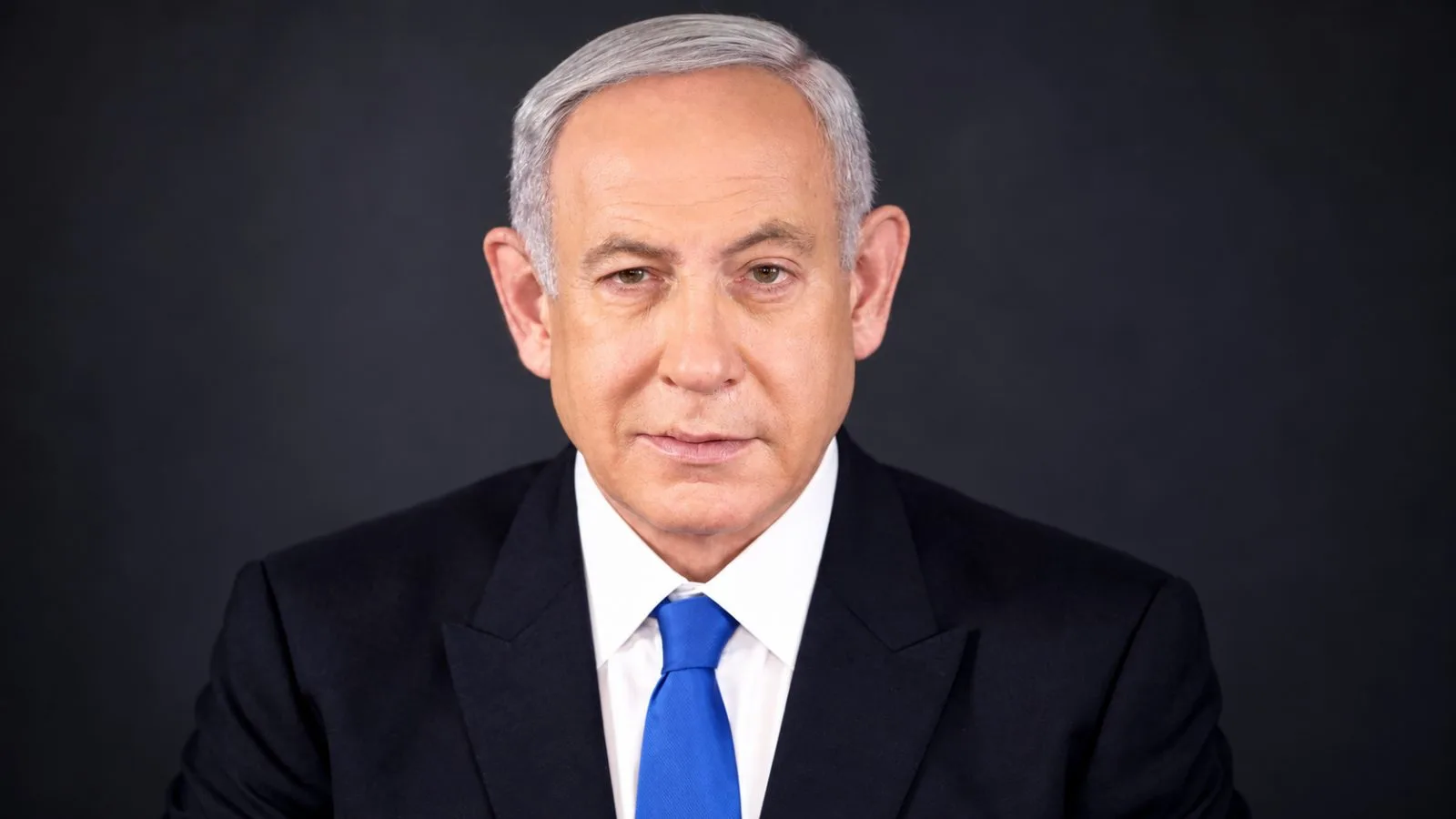
The poll adds detail to earlier EconoTimes coverage of the security test facing Netanyahu. Researchers surveyed 605 Jewish adults and 150 Arab adults ages 18 and older from Aug. 31 to Sept. 3, 2026. The sample included people who said they did not intend to vote, and respondents selected the first and second most influential factors in their party choice. The results are not vote projections.
Among Jewish respondents, 39% placed a party’s foreign affairs and security position among their top two factors, while 38% cited the economy and high cost of living. Among Arab respondents, 53.5% cited a party’s position on crime in Arab society and 46% cited the economy and living costs. The questionnaire offered Arab respondents crime in Arab society in place of the conscription option given to Jewish respondents, so the groups did not receive identical issue lists.
The events of Oct. 7, 2023, remained influential: 68% of Jewish respondents and 32% of Arab respondents said they were very or fairly central to their party choice. The Israel Defense Forces said the final deceased hostage was returned from Gaza on Jan. 26, 2026.
A party’s position on conscription ranked among the top two factors for 27% of Jewish respondents. The dispute concerns military service for ultra-Orthodox men studying in religious institutions. In a January review of figures submitted by the state to the Supreme Court, the Israel Democracy Institute reported a shortfall of about 12,000 compulsory-service soldiers and an average of 110 reserve-duty days for reservists in 2025. The Institute’s explainer traces the Haredi exemption debate through earlier court rulings and identifies reservists as bearing the manpower burden.
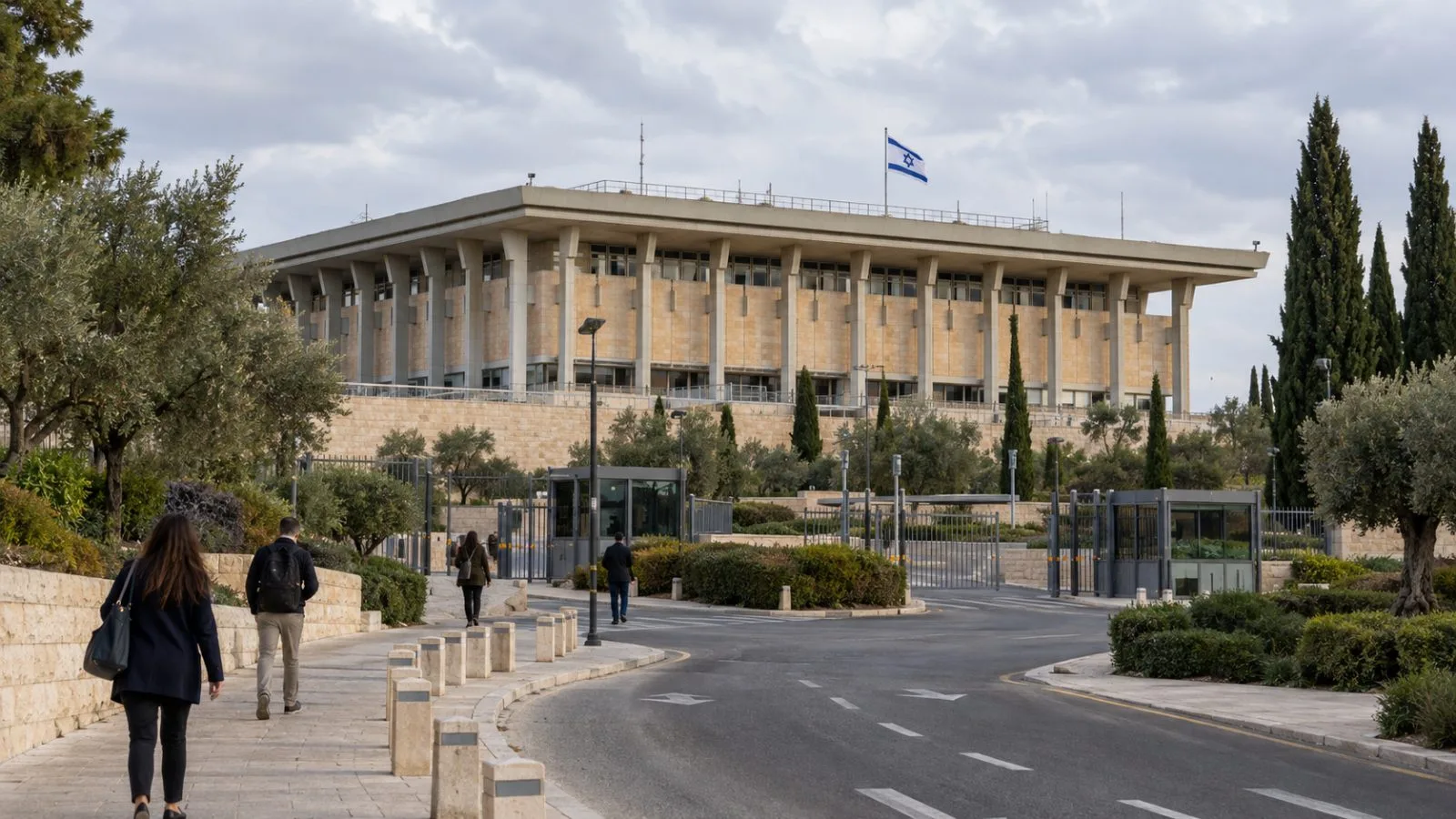
The identity of a party’s leader was among the top two factors for 23% of Jewish respondents, while 18% cited a party’s position on judicial reform. A change to the Judges Selection Committee approved by the Knesset in March 2025 is scheduled to apply from the first day of the 26th Knesset.
Israel’s party-list system allocates seats in a 120-seat Knesset, with lists needing at least 3.25% of the vote to qualify for representation. Coalition formation follows the election. The Central Elections Committee’s calendar places the results announcement on Nov. 4.