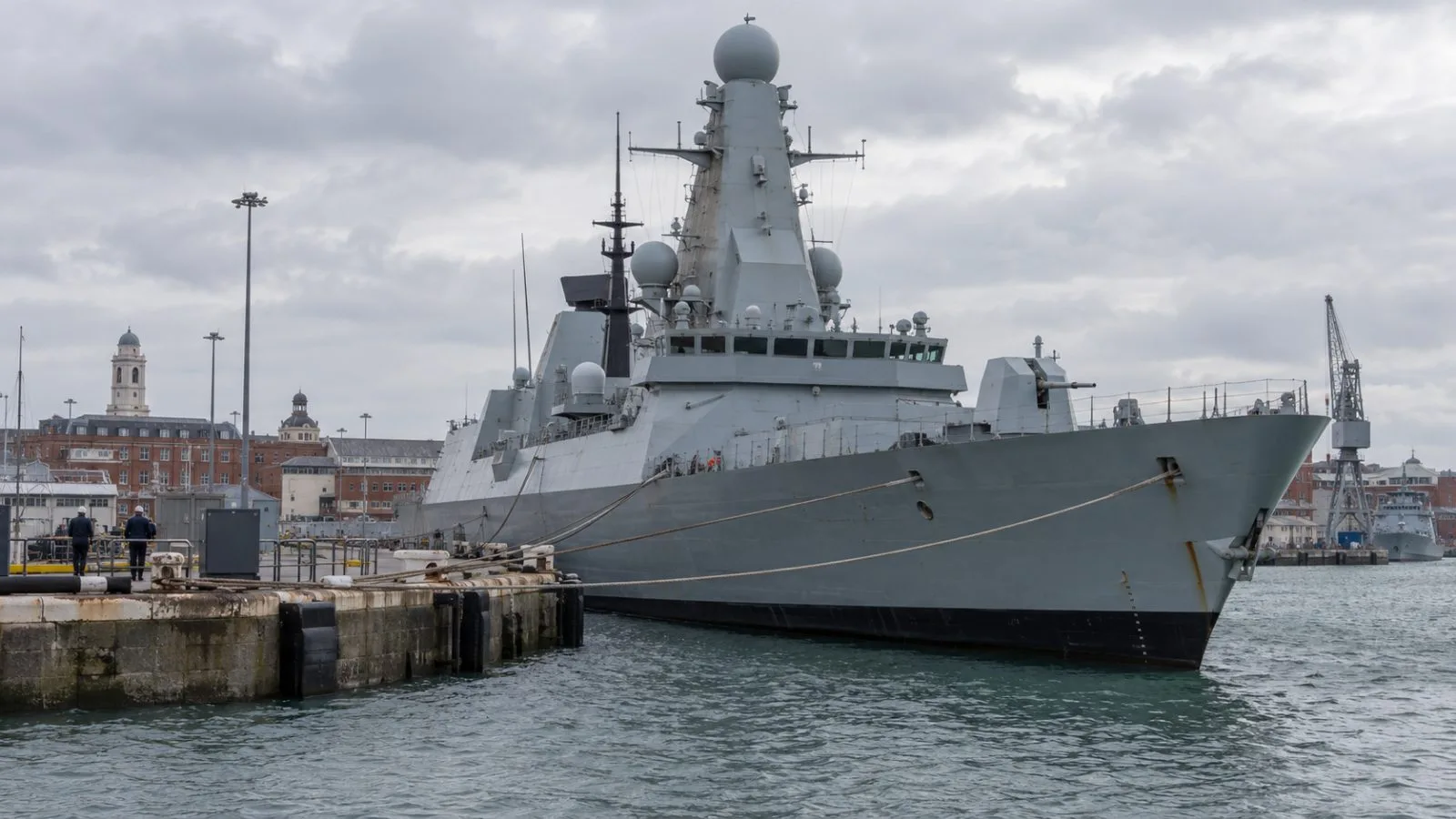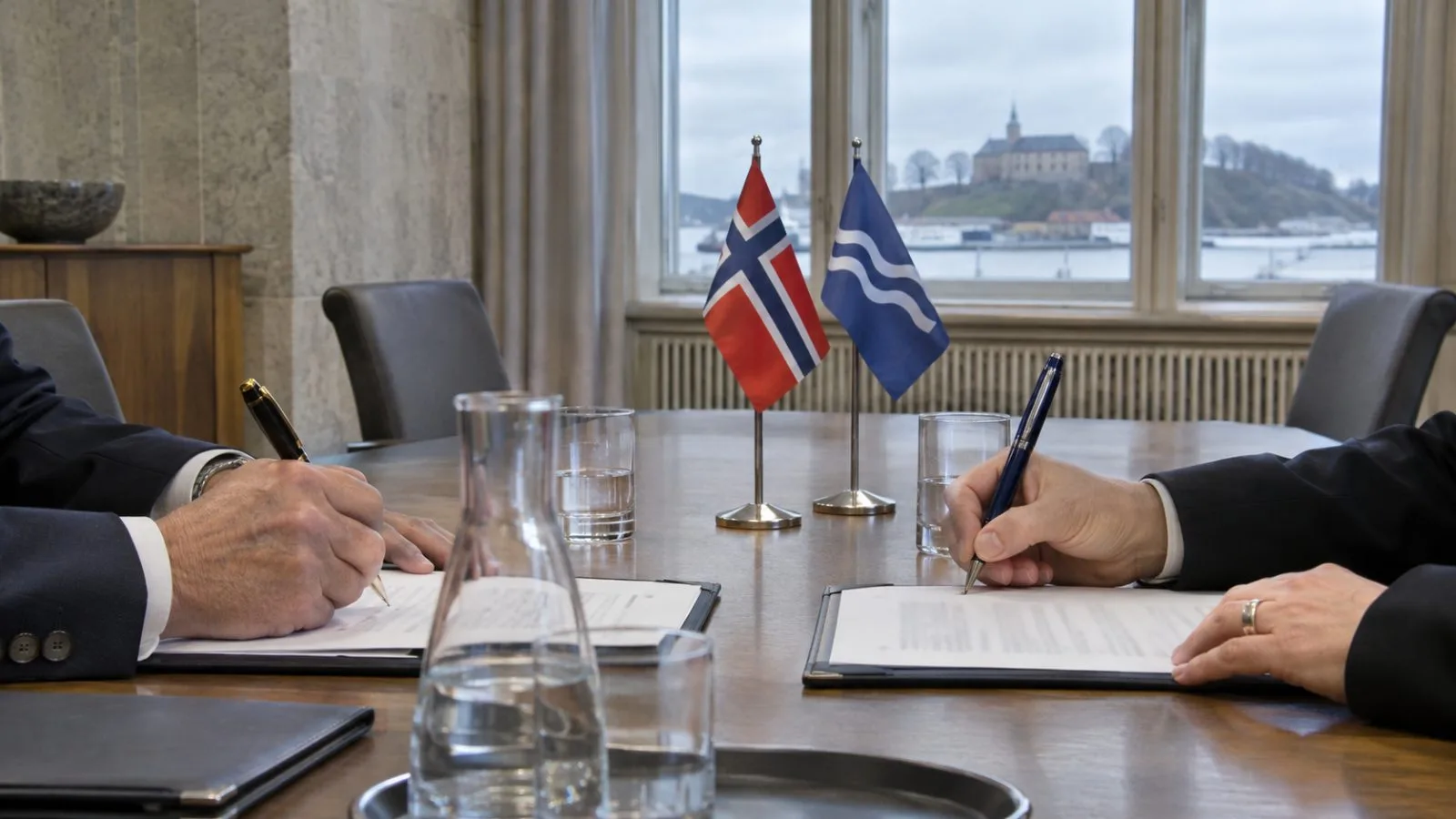
The United Kingdom and its nine Joint Expeditionary Force (JEF) partners signed a naval cooperation pact in Oslo to align operations and improve coordination before maritime security crises.
Representatives of all 10 maritime members signed the Northern Navies Initiative aboard HMS Prince of Wales during the International Sea Power Conference on Nov. 10, the UK Ministry of Defence said. The members are Denmark, Estonia, Finland, Iceland, Latvia, Lithuania, the Netherlands, Norway, Sweden and the UK.
The agreement sets out a plan for shared operating practices, joint preparation for crises, mutual assistance and compatible equipment. The ministry says JEF members should be able to coordinate earlier and move into NATO command if the alliance needs a larger response. It describes NATO as responsible for collective defense, with the JEF providing a smaller forum for members to cooperate more regularly and maintain readiness.
Undersea security is one focus. The ministry lists hostile activity below the threshold of armed conflict and threats to undersea infrastructure among the risks the initiative is meant to address. In his conference address, First Sea Lord General Sir Gwyn Jenkins said, “The risk of conflict is rising.”
The ministry describes Atlantic Net, an underwater surveillance effort developed with Ocean Infinity Solutions, as the first phase of its broader Atlantic Bastion program. Jenkins said that phase should be operating within months. The ministry projects that the associated framework could support £90 million in investment and almost 200 new skilled jobs, while improving surveillance for NATO and JEF allies.
The Royal Navy’s 1st Autonomous Squadron is also part of its plans for future operations. Kraken and Rattler are among the uncrewed vessels the squadron will operate, the Navy said; it commissioned the unit in Portsmouth on Nov. 5. Jenkins said the Navy plans to add counter-drone capability to Kraken scouts in the new year. He described the approach as a lower-cost way to address airborne threats while keeping advanced missiles available for other targets.
Jenkins said he planned to sign a statement of intent with Northrop Grumman on Nov. 12 to prepare its TALON demonstrator for Royal Navy trials under Project VANQUISH. He set a 2027 target for demonstrating the system in UK waters, including a carrier launch.