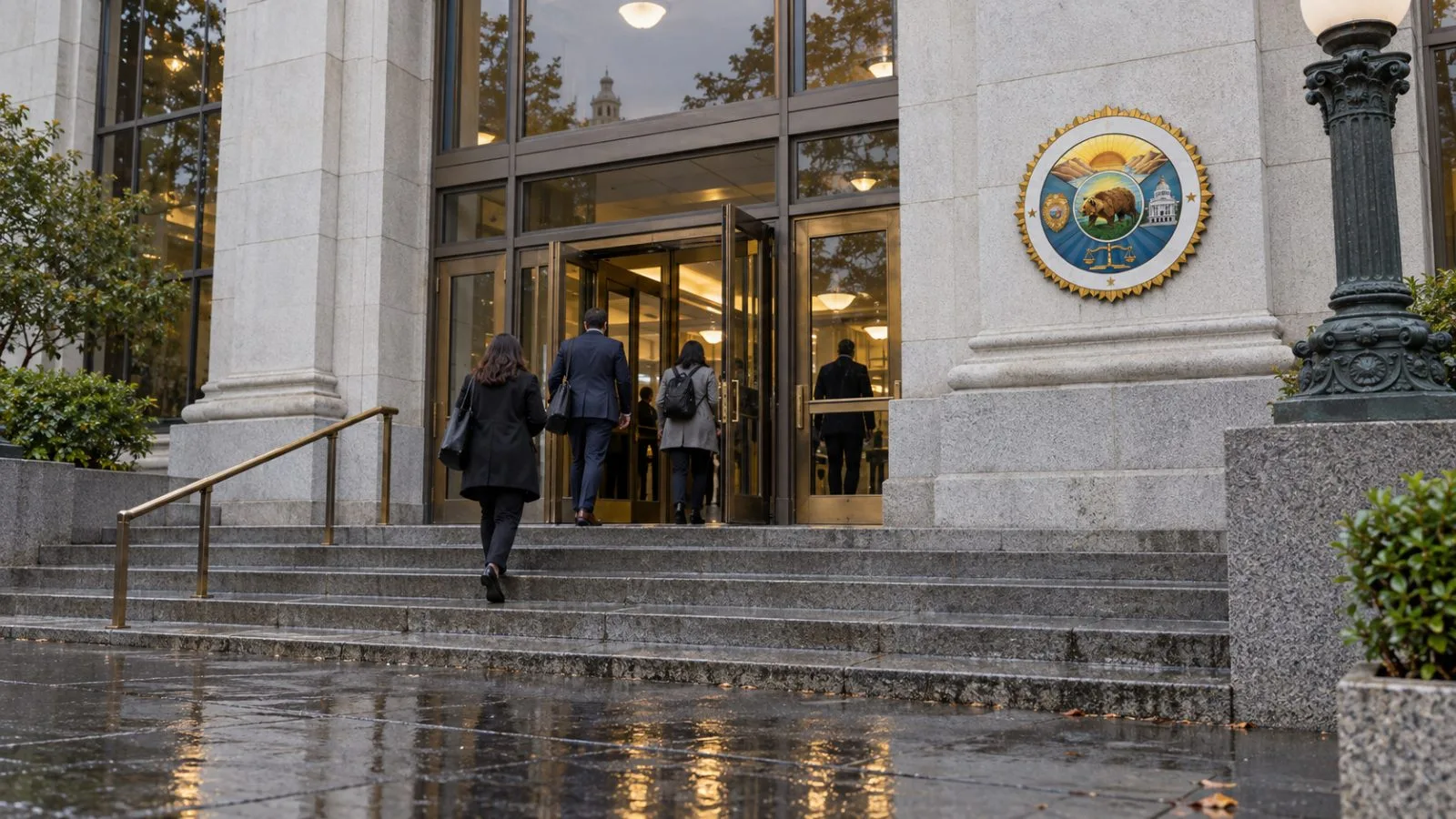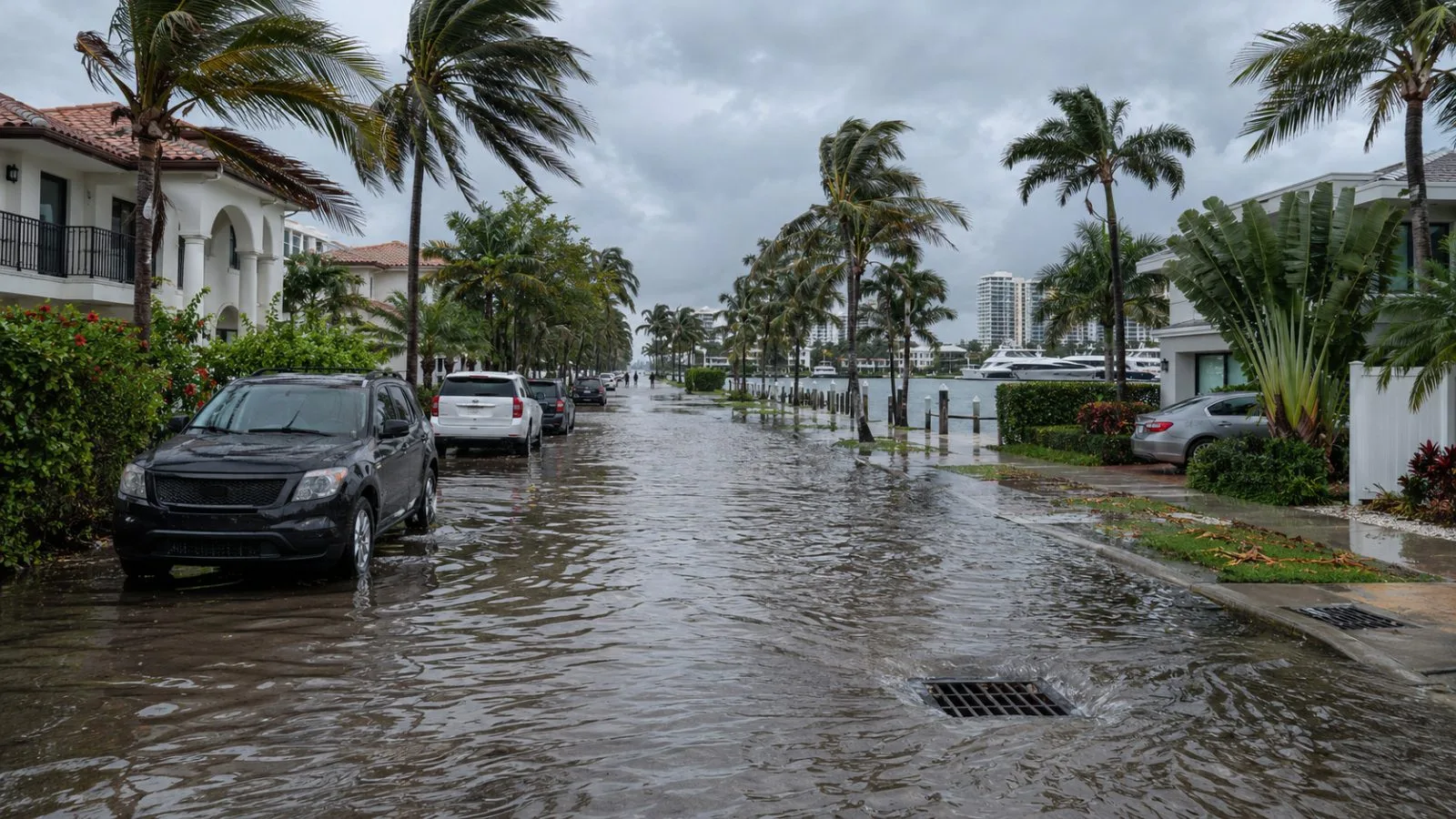
Jane Kim, who declared victory in California’s insurance commissioner race, is proposing a mandatory public wildfire pool as FAIR Plan data show $773 billion in exposure, shifting catastrophe risk to a nonprofit.
Under Kim’s “Natural Disaster Insurance for All” plan, wildfire coverage would be separated from standard homeowners policies. Private insurers would sell and bill for the coverage and handle routine claims, while the public pool would set rates, hold reserves, buy reinsurance and finance wildfire mitigation.
The California FAIR Plan’s September 2026 figures listed 698,307 dwelling and commercial policies in force, with total exposure of $773 billion. The California Department of Insurance describes the FAIR Plan as a private association whose daily operations are controlled by insurance companies.
Kim’s campaign envisions a property-level wildfire charge alongside a capped statewide contribution for catastrophic seasons. It says higher-value homes would pay more into the shared layer, while owners above the public coverage limit could buy supplemental private protection.
The campaign estimates that Californians pay about $18 billion a year for homeowners insurance, including $3 billion to $5 billion tied to wildfire coverage. The Associated Press reported a different estimate of $3 billion to $6 billion. Both ranges are unconfirmed, and neither should be treated as settled.
An April 7, 2026, analysis by the California Earthquake Authority estimated that a state-backed insurer would need about $25 billion in opening capital. Buying $2 billion to $3 billion in annual reinsurance could reduce that requirement to about $6 billion, but would add an estimated $150 to $230 per policy each year.
The analysis modeled a $1,900 to $2,000 assessment per policyholder after a one-in-100-year wildfire, payable over several years, if the program lacked sufficient risk transfer. It also said statewide premiums could exceed $20 billion annually, compared with about $18 billion under the current system, and warned that pooling could concentrate exposure. The report did not endorse a specific option.
Kim’s campaign argues that annual private policies can weaken insurers’ incentive to fund community-wide prevention when future savings may benefit another carrier. It says the public pool could reinvest savings in home hardening, fuel management, firefighting capacity and early-warning systems.
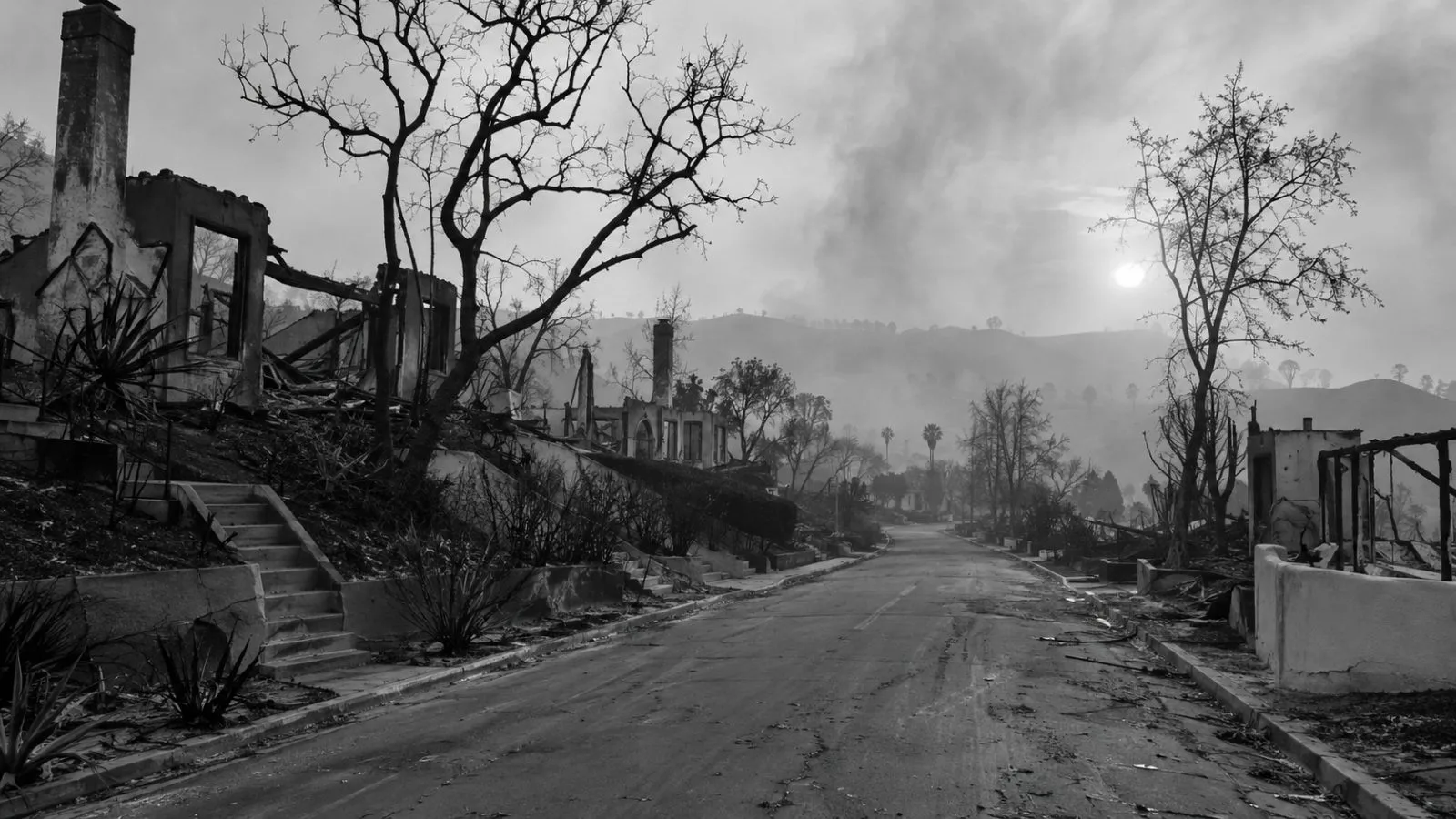
California records show the January 2025 fires damaged or destroyed more than 16,250 structures, including 9,413 in the Eaton Fire and 6,833 in the Palisades Fire. A Department of Insurance order said the FAIR Plan estimated its own losses from the two fires at about $4 billion and approved a $1 billion assessment on member insurers.
State claims data recorded $23.41 billion in residential payments for the two fires by July 2026. That broader figure is not directly comparable with the FAIR Plan’s estimate. The Associated Press also reported that Rex Frasier, president of the Personal Insurance Federation of California, said insurers had not been consulted.
The proposal remains a campaign plan without specified implementing legislation, launch date or final claims-administration structure. The California Secretary of State says counties must complete their results by Dec. 3, with statewide certification scheduled for Dec. 11.