


 Arthur Hayes Announces FLOP Testnet Launch Within Weeks
  Apple Cuts iPhone 18 Pro Production Orders Amid Weak Demand
  Brazil Election: Lula and Bolsonaro Rally Ahead of October 25 Runoff
  Trump Defends Russian Diesel Deal Amid US Sanctions Backlash
  US Condemns China Sanctions on Taiwan Allies Belize and Paraguay
  TSMC Profit Set to Surge 65% as AI Chip Demand Drives Record Earnings
  Moonshot AI Executives Seek Settlement Ahead of Hong Kong IPO
  Binance to Shut Down Crypto Mining Pool Services on November 10
  Trump Calls for Zelenskyy Replacement Amid Russian Diesel Deal
  Trump Buys Up to $25M in Meta Stock, Invests in SpaceX Debt
  Amazon in Talks to Acquire AI Startup Decart for $7 Billion
  Samsung, SK Hynix Shares Fall as China's CXMT Advances DRAM Technology
  Orsted to Take Full Ownership of UK Offshore Wind Farm for £15 Million
  Russian Strikes Kill Six in Ukraine, Including Three in Kharkiv
  Most Americans Oppose Election Betting on Prediction Markets, Poll Finds
  Amazon Cuts More Jobs as AI Investment Expands
  Djibouti Migrant Boat Capsizes, Killing 139 and Leaving 84 Missing


 Add as a preferred source on Google
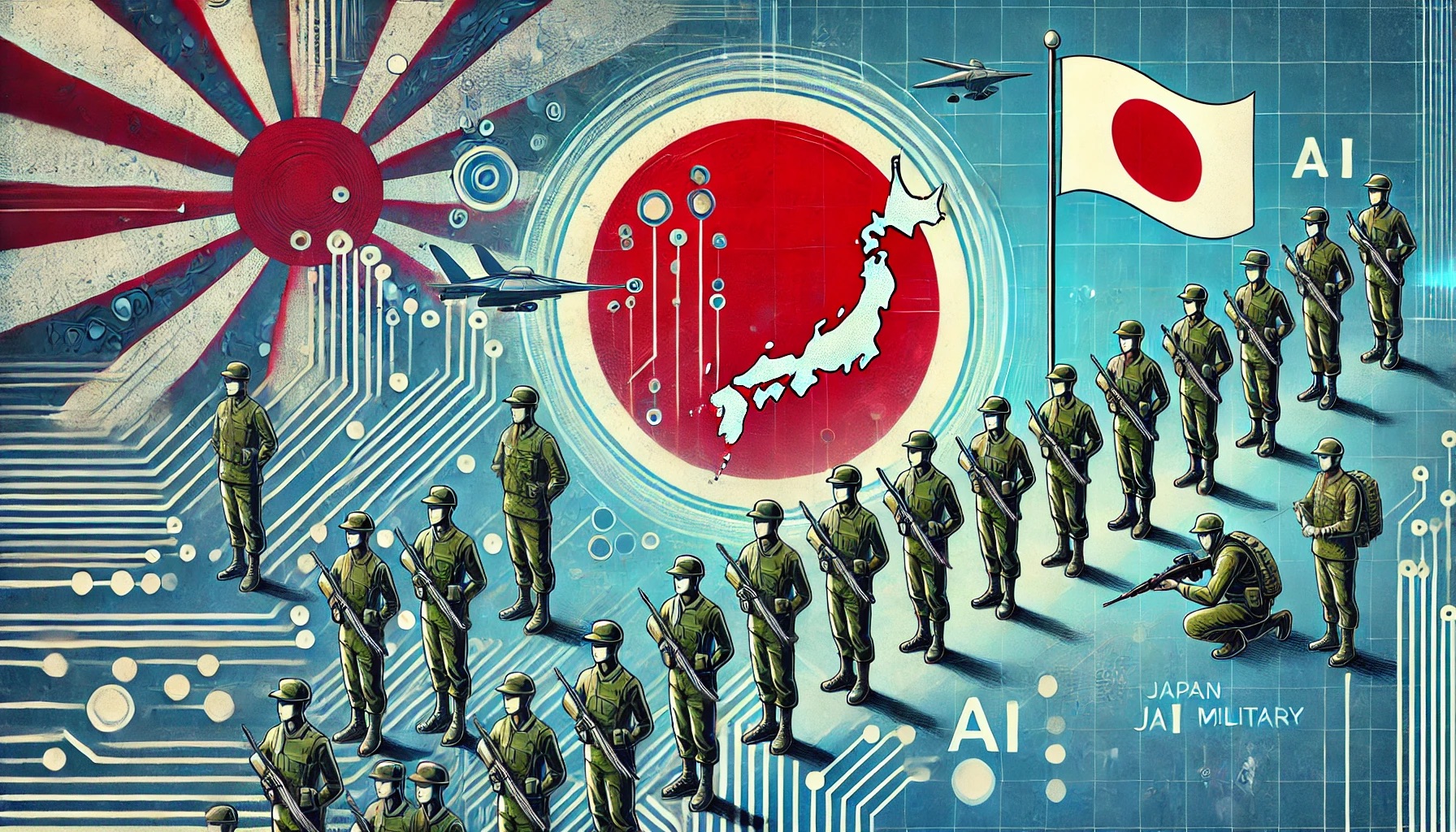
Facing a critical recruitment shortfall, Japan's defense ministry is channeling funds into AI and automation, aiming to strengthen its military amidst escalating regional threats.
Military Channels Funds into AI
Japan's defense ministry announced on Friday that it would spend money on artificial intelligence (AI), automation (Automation), and upgrading personnel conditions in order to deal with the country's understaffed forces, which are a result of a worsening recruitment gap and a buildup to oppose China's rising military might.
The steps were announced in Friday's defense budget request and follow the yearly recruitment drive for the Self Defense Forces (SDF), which was unprecedentedly unsuccessful. Half of its goal—just under 10,000 sailors, soldiers, and air personnel—were enrolled in the year leading up to March 31, Reuters reports.
Prime Minister Fumio Kishida announced in 2022 a doubling of defense spending to acquire more missiles and munitions, modern fighter jets, and cyber defense forces in response to concerns that China could use military force to subjugate Taiwan and involve Japan in a conflict.
Birth Rate Decline Impacts SDF Personnel
However, with the birth rate in Japan declining, it is more difficult than ever to keep the SDF personnel levels at 250,000.
The defense ministry stated in its annual budget request, which requests a 6.9% increase in spending to a record 8.5 trillion yen ($59 billion)—"As we increase our defensive strength, we need to build an organisation that is able to fight in new ways."
AI Technology to Mitigate Recruitment Decrease
The defense ministry has announced plans to implement AI technology in order to deal with a decrease in recruits. Next year, they will allocate 18 billion yen to fund an AI monitoring system for the protection of military bases.
According to MSN, in addition to purchasing additional unmanned drones, the government plans to spend 314 billion yen on three air defense battleships that are highly automated and require just 90 sailors—less than half of the personnel of present ships.
The SDF plans to hire civilians and former SDF soldiers to handle some training and support activities so that additional troops may be sent to the front lines.
Targeting Fighting-Age Population
In addition to financial incentives and better living conditions, like sleeping quarters with more privacy and improved access to social media, it wants to target Japan's fighting-age population, which is also being chased by firms with larger financial resources.
It is targeting women in particular because they make up less than 10% of the SDF. Numerous high-profile sexual harassment cases have obstructed efforts to increase their number.
Harassment Training to Boost Female Recruitment
The Japanese military is seeking 16.4 billion yen to construct housing for female personnel, complete with upgraded restrooms and showers, in an effort to revive that endeavor. In addition, it announced plans to enhance harassment training and bring in outside advisors to help women.







