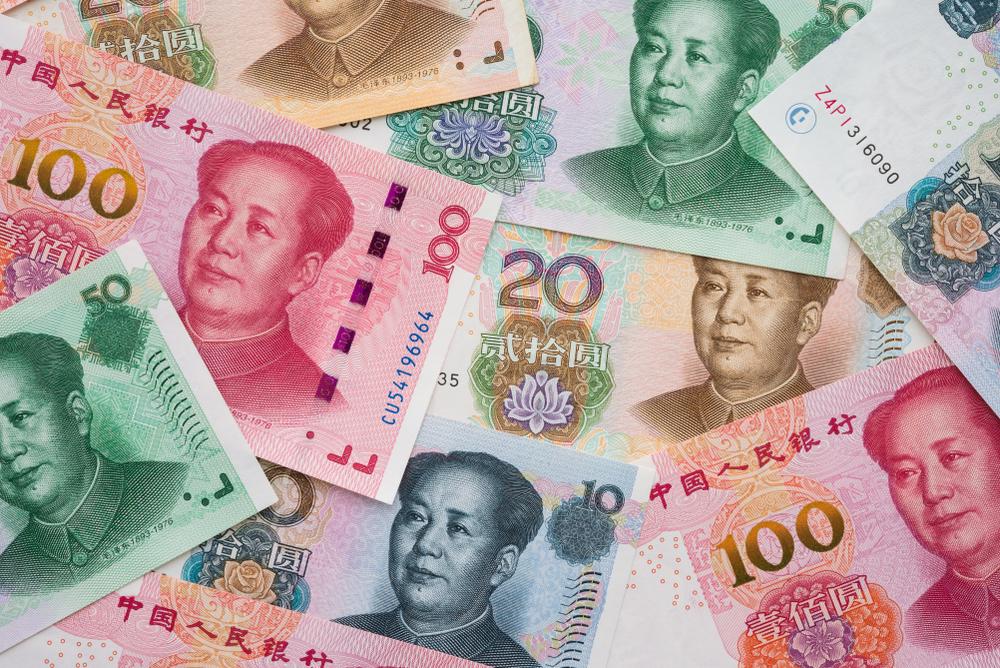
Japan reported ¥27.1 trillion in currency intervention across two periods this year, while an FXStreet report said the yen’s recent gains have not resolved whether investors again view it as a safe haven.
The Ministry of Finance recorded ¥11,734.9 billion in intervention from April 28 to May 27 and ¥15,399.3 billion from July 30 to Aug. 26. It reported no intervention from Aug. 27 to Sept. 28. Quarterly figures also list dollar sales paired with yen purchases on April 30, May 4 and May 6.
The ministry said a yen purchase on July 31, U.S. Eastern Time, was coordinated with the U.S. Department of the Treasury to address recent yen volatility and disorderly market movements.
In its Oct. 28 report, FXStreet said Rabobank Senior FX Strategist Jane Foley ranked the yen second among Group of 10 currencies during the half year to date and fourth year to date. The outlet did not state the return measure or comparison dates, so the rankings cannot be independently checked. Foley questioned whether the recent rise reflected renewed safe-haven demand. EconoTimes previously covered safe-haven demand behind a weekly yen rise.
The Bank of Japan (BOJ) ended its Quantitative and Qualitative Monetary Easing framework with Yield Curve Control and negative interest rate policy in March 2024, saying the framework and policy had served their respective roles. BOJ assets stood at ¥755.7 trillion at end-March 2024 and ¥625.0 trillion at end-September 2026, a 17.3% decline. The totals document a smaller balance sheet but do not show whether the change affected yen demand.
At end-June 2026, BOJ holdings equaled 46.70% of ¥1,007 trillion in central government securities and Fiscal Investment and Loan Program bonds. Overseas holders accounted for 7.94%, BOJ data showed. Those figures describe bond ownership but do not establish how it affected demand for the yen.
In September, the BOJ set its guide for the uncollateralized overnight call rate at about 1.25%. It said future rate adjustments would depend on economic activity, prices and financial conditions. Its next scheduled meeting is Oct. 29-30.