


 BlackRock’s Rick Rieder Favors Bonds Over Stocks as Treasury Yields Surge
  UK Housebuilder Stocks Surge on New First-Time Buyer Loan Scheme
  Japan Warns Markets Over Yen Weakness
  US Plans Iran Sanctions Waiver for Pilgrim Flights to Iraq
  U.S. Stock Futures Steady as AI, Rate Concerns Weigh
  BOJ Set for Rate Hike as Inflation and Yen Pressure Mount
  Asian Currencies Weaken as Dollar, Oil Prices Rise
  Trump, Tech Leaders Sign ‘Morally Binding’ AI Safety Accord
  Second DOJ Lawyer Exits Trump Probe
  Malaysia Begins Deportation of 1,500 Myanmar Nationals
  Rubio Warns Cuba to Change Course as US Pressure Mounts
  Central Banks Could Buy 20,000 Tonnes of Gold: BofA
  ECB May Stop Rate Hikes After December, Capital Economics Says
  Global Central Banks Brace for More Rate Hikes as Inflation Risks Rise
  Yen Sinks as BOJ Rate Hike Fails to Impress Markets


 Add as a preferred source on Google
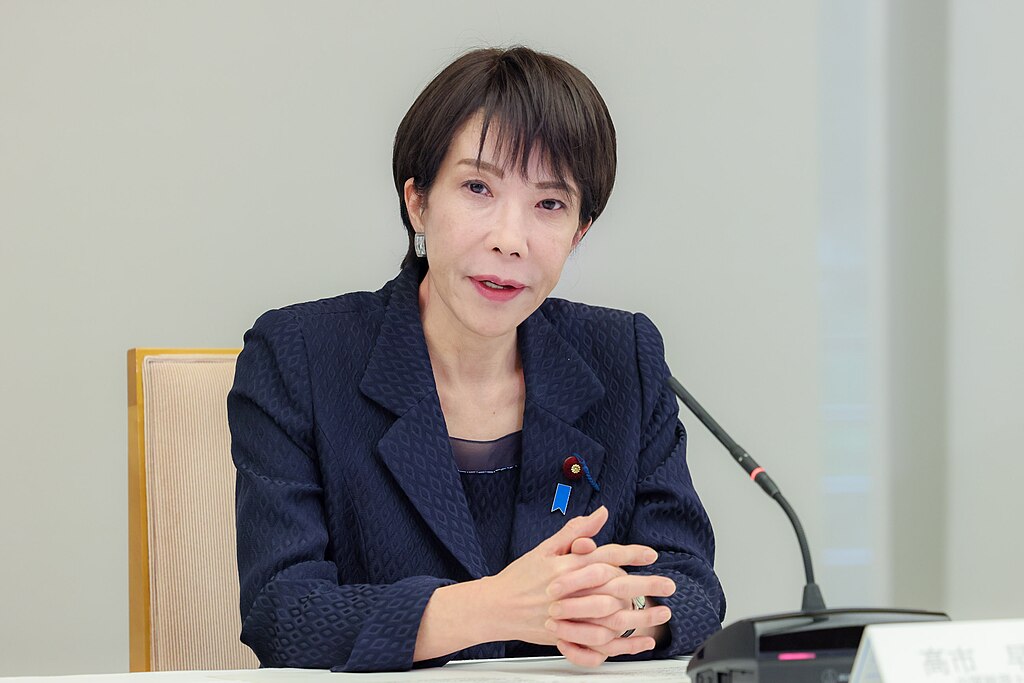
Japanese Prime Minister Sanae Takaichi is facing mounting scrutiny over her influence on the Bank of Japan's monetary policy direction, after reports emerged that she privately expressed concerns about further interest rate hikes during a closed-door meeting with BOJ Governor Kazuo Ueda last month.
The controversy spilled into parliament on Tuesday when an opposition lawmaker pressed Finance Minister Satsuki Katayama on whether Takaichi had lobbied the central bank chief to pause its rate-hiking cycle. Katayama largely deflected, reiterating Ueda's post-meeting statement that no specific policy demands were made. "Specific monetary policy decisions fall under the jurisdiction of the BOJ — I believe it ought to be that way," she told legislators, while describing the broader matter as politically "sensitive."
The episode has reignited a longstanding debate about the practical limits of the BOJ's legal independence. While Japanese law guarantees the central bank's autonomy in setting monetary policy, a separate clause requires its decisions to remain compatible with the government's broader economic agenda — a tension that has historically left the BOJ vulnerable to political influence, particularly during periods of stimulus or yen volatility.
Markets are watching closely. The BOJ lifted its short-term policy rate to 0.75% in December — a 30-year high — citing growing confidence that Japan is approaching its 2% inflation target on a sustainable basis. Governor Ueda has indicated willingness to continue tightening, though no timeline has been specified.
Complicating the path forward, renewed conflict in the Middle East is driving oil prices higher, threatening Japan's import-heavy economy while simultaneously adding to inflationary pressures. This dual pressure puts the BOJ in a difficult position as it weighs its next rate decision against both economic risk and, apparently, political headwinds.







