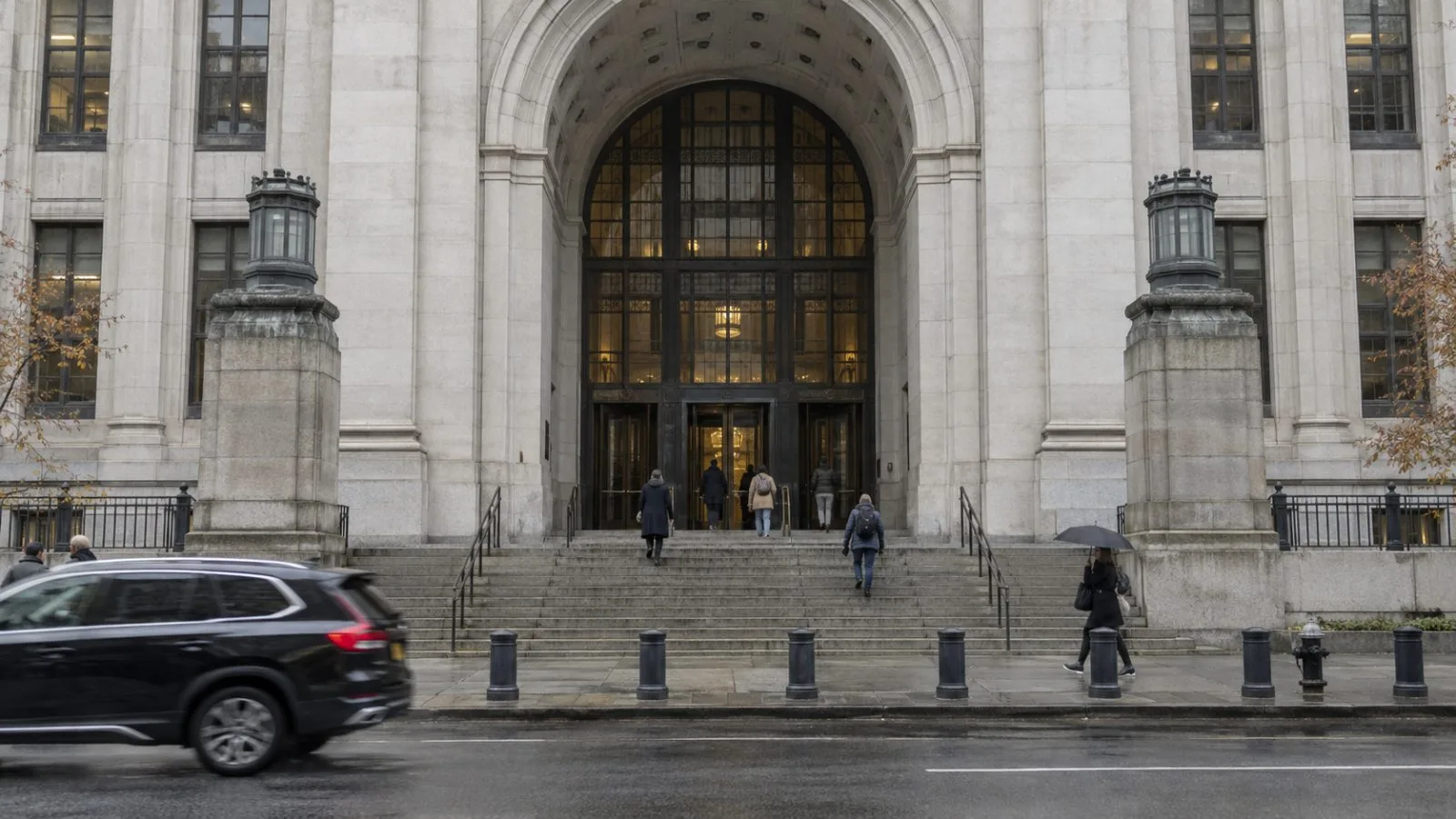
U.S. District Judge Alvin K. Hellerstein kept Gemini Trust Company, LLC’s $5 million penalty and permanent CFTC injunction in place, denying a bid by both parties to undo their January 2025 consent order.
The Oct. 15 ruling leaves the consent order’s two central consequences intact. Gemini had already paid the civil penalty, and the parties had agreed the money would not be returned. Their joint filing sought relief under Federal Rule of Civil Procedure 60 and challenged the continuing order, rather than asking the court to refund the payment.
The injunction bars Gemini from making false or misleading statements to the Commodity Futures Trading Commission (CFTC) or omitting material facts from the agency. That restriction remains in force even though the regulator supported Gemini’s effort to reopen the case.
In a May 27 announcement, the CFTC said an internal review led it to conclude that the case would not have been brought under its current enforcement standards. The agency cited questions about the whistleblower’s credibility, the evidence and alleged litigation tactics. Those points reflected the CFTC’s own reassessment.
Hellerstein rejected the request. He said information newly learned about facts that already existed when the consent order was signed did not amount to a significant change in circumstances. His order states: “Newly acquired knowledge of facts that existed at the time the Consent Order was entered does not constitute a significant change in factual circumstances.” The judge also noted that Gemini defended the case for nearly three years before settling shortly before trial.
The lawsuit began with a CFTC complaint filed June 2, 2022, concerning statements made as the agency assessed a proposed Bitcoin (BTC) futures contract based on an auction price on Gemini’s platform. The allegations covered prefunding, trading costs, self-trading controls, rebates, trading volume and liquidity.
The January 2025 consent order stated that Gemini violated the Commodity Exchange Act. It also recorded that the company agreed to the order without admitting or denying the complaint’s allegations or the order’s findings, except on jurisdiction and venue.