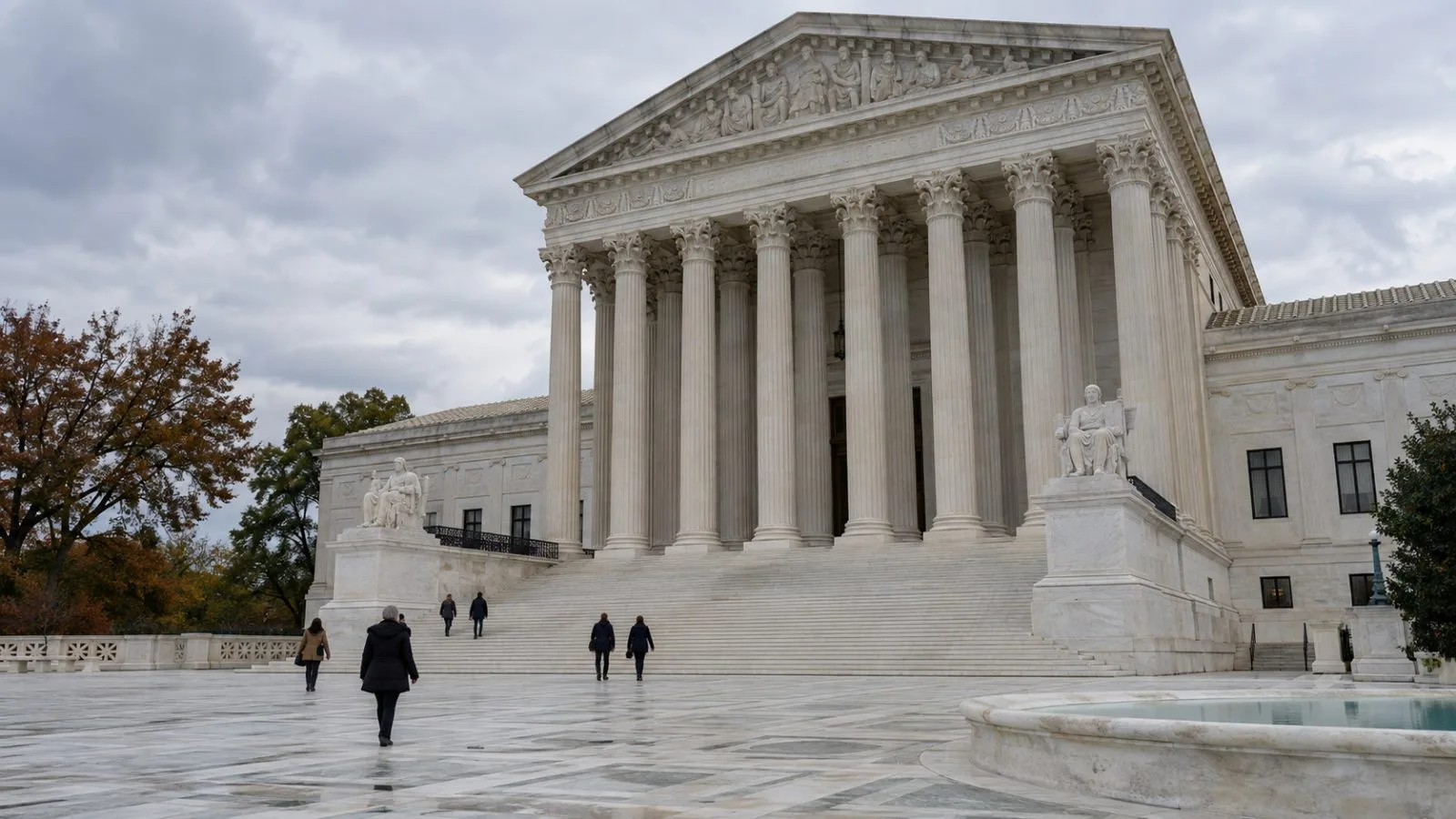
A U.S. Supreme Court decision expanding party spending alongside candidates has sharpened Justice Elena Kagan’s concern that campaign donors may use political support to seek official favors.
Reuters reported that Kagan made the comments on Oct. 20 while speaking at Catholic University’s law school. She said the justices had not fully accounted for how rulings on campaign finance and voting maps shape the political system. Her remarks connected the court’s recent decisions to concerns about both donor influence and electoral representation.
The June 30 opinion invalidated federal caps on political party spending coordinated with candidates. The restrictions covered party expenditures made in cooperation with a candidate’s campaign; they were not limits on donations made directly to candidates. The court’s decision also overturned a 2001 precedent that had upheld the caps.
Kagan said the court accepts rules intended to prevent quid pro quo corruption, meaning money exchanged for official action. In her view, however, the justices have not given enough attention to how donor influence may operate through coordinated party spending. She warned that the new latitude could give donors additional opportunities to seek favorable treatment from candidates.
The April 29 decision in Louisiana v. Callais held that the Voting Rights Act of 1965 did not require Louisiana to add a congressional district with a majority-Black electorate. In the same Oct. 20 remarks, Kagan also criticized partisan redistricting, saying it can undermine equal voting power.
She said both parties have drawn maps to improve their own electoral prospects, a practice that can leave lawmakers more exposed to primary challenges than to general-election competition. In Kagan’s view, voters bear the cost when district lines weaken voting equality, while candidates face incentives to appeal to their party’s primary electorate.
The next test comes in November, when congressional elections will determine whether the Republican majority survives.