The way U.S. congressional districts are drawn is pushing candidates toward more extreme positions and eroding voting equality, U.S. Supreme Court Justice Elena Kagan said ahead of November's midterm elections, Reuters reported.
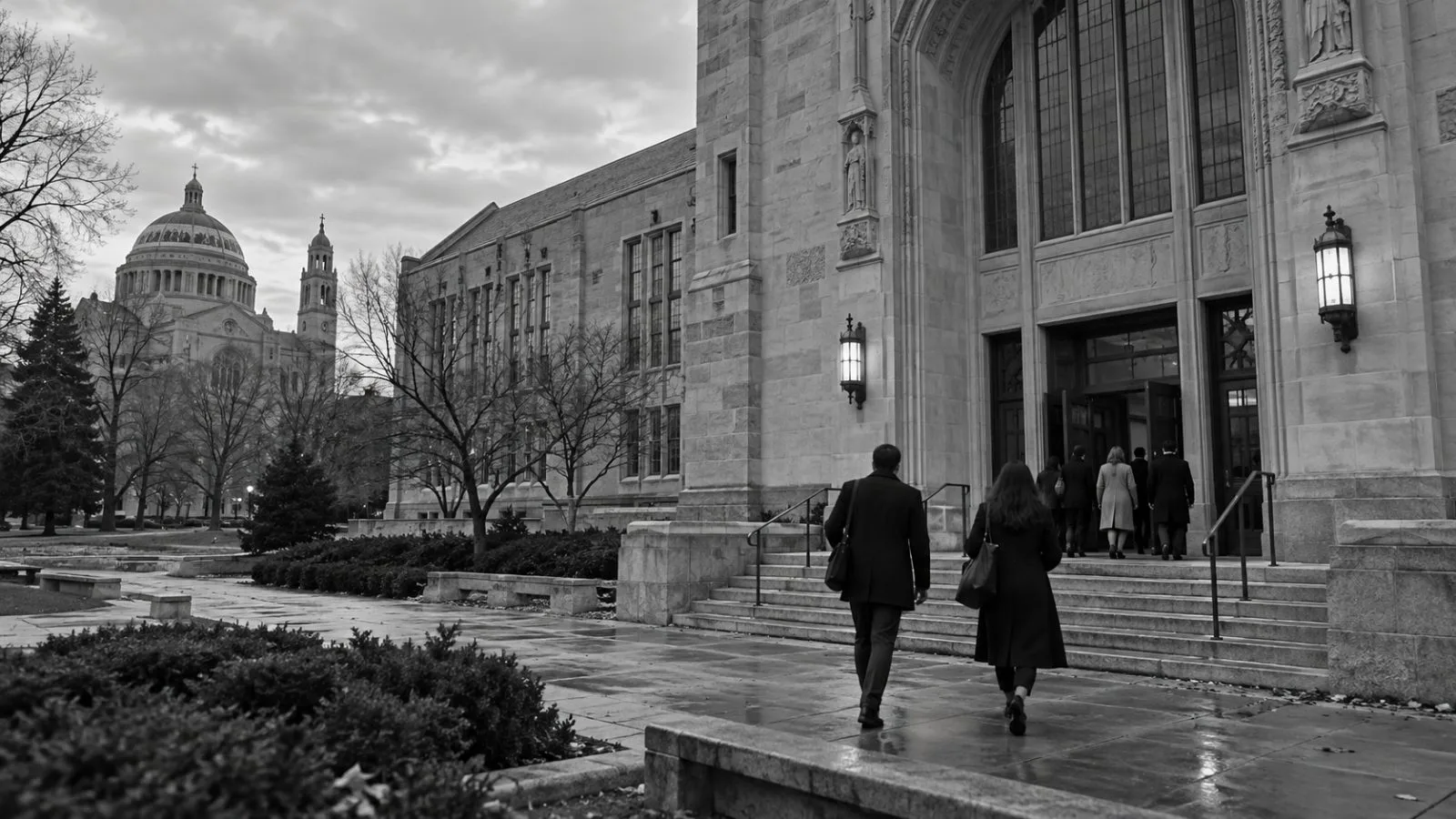
At Catholic University's law school on Oct. 20, Kagan said the court's conservative majority had failed to restrain partisan redistricting. Both parties have pursued favorable boundaries, she said, leaving candidates more worried about challenges in their own party's primaries than about opponents in a general election.
She described attempts to turn states with voters from both parties entirely Republican or Democratic as “very destructive to our democracy.” Kagan, one of the court's three liberal justices, said partisan mapmaking deprives many citizens of voting equality.
The stakes include control of the U.S. House. Reuters reported that Texas revised its congressional map in 2025 after President Donald Trump urged Republicans to target seats held by Democrats. Democratic-led California later redrew its map with Republican-held seats in its sights.
The Supreme Court ruled April 29 in Louisiana v. Callais that the Voting Rights Act of 1965 did not require Louisiana to create another district with a Black voter majority. Kagan criticized the decision's effect on voting protections. Reuters reported that Republican-led southern states subsequently sought to remove House districts where Black voters made up a majority or near-majority.
On June 30, the court invalidated federal limits on how much political parties may spend in coordination with candidates. The Federal Election Commission said the ruling overturned a 2001 precedent that had upheld those limits.
Kagan argued that the decision creates more opportunities for donors to corrupt candidates. She said the court allows rules targeting quid pro quo corruption, or money exchanged for official action, but fails to recognize how such exchanges can arise. She said the justices had not adequately weighed the political effects of their rulings.
November's midterm elections will put Republican control of Congress at stake.