


 US Suspends Microsoft, Adobe From Green Card Program
  Arm Shares Fall Over 3% After Qualcomm Wins License Dispute
  Bank of America Fined $1.21B as CZ Questions AML Double Standard
  EU Gives Crypto Platforms Three Months to Remove USDT Under MiCA Rules
  Nvidia CEO Jensen Huang Open to Cutting Chip Supply Over Unsafe AI
  Apple Intelligence Set for China Launch in December With iOS 27.3
  Zcash Price Drops 30% as ZEC Tests Critical $1,120 Support
  UNCX Network Hack Drains $86K From Ethereum Token Pool
  Florida Seeks Tougher Meta Rules to Protect Young Users
  Gold vs Bitcoin: Investors Eye Inflation Hedge as Crypto Adoption Grows
  New York Times, AFP Join Coalition to Protect Content From AI
  Cardano Price Drops 15% as Whales Sell 110 Million ADA
  ASML Raises 2026 Sales Forecast as AI Chip Demand Surges
  US Authorities Raid Ilhan Omar’s Home Amid Immigration Fraud Probe
  ASX CEO Pushes for Faster T+1 Trade Settlement in Australia
  US Grants Aurora Five-Year Exemption for Self-Driving Trucks


 Add as a preferred source on Google
Kalshi CEO Tarek Mansour has defended federal regulation of prediction markets as the company faces mounting legal challenges from U.S. states over sports betting contracts and regulatory authority.
Speaking Wednesday at DC Fintech Week near Washington, Mansour argued that the ongoing legal dispute could determine whether prediction markets remain competitive in the United States or move their operations overseas.
"We feel pretty good about where we stand overall," Mansour said, expressing confidence in Kalshi's legal position.
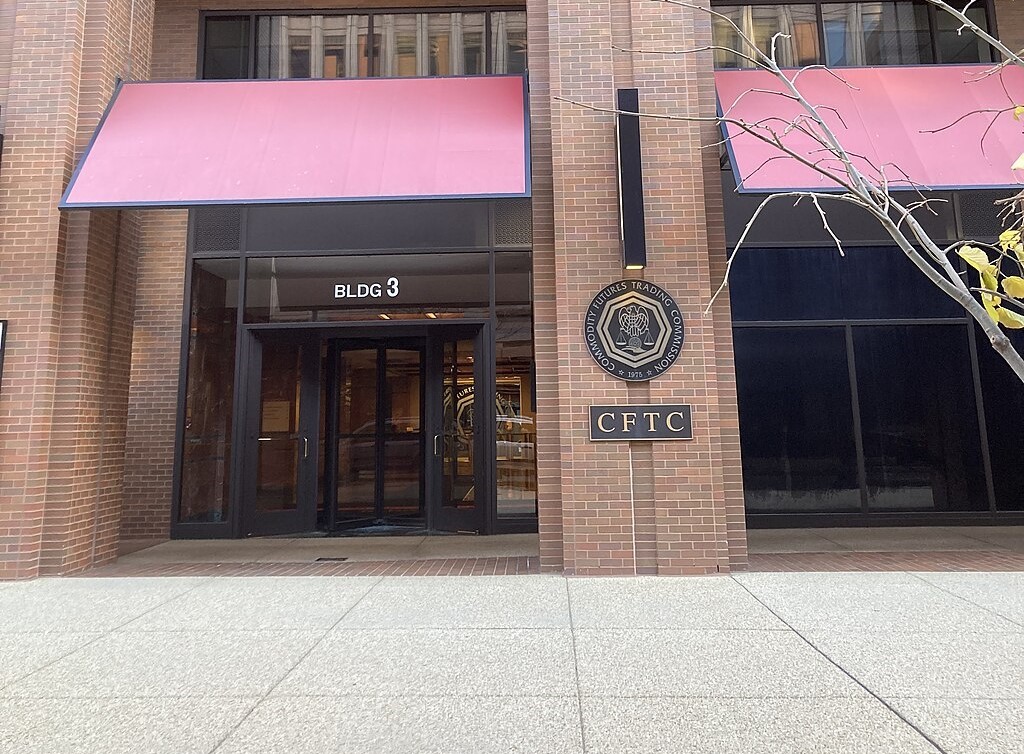
Several states have filed lawsuits against Kalshi and other prediction market platforms, alleging that their sports-related event contracts constitute illegal gambling subject to state oversight. However, Kalshi maintains that its products are federally regulated financial instruments under the Commodity Futures Trading Commission (CFTC).
Mansour dismissed claims that sports prediction contracts lack meaningful economic implications, calling that argument "ludicrous."
The legal battle has reached multiple federal appeals courts, producing conflicting decisions. One major ruling favored Kalshi, while two supported state regulators. New Jersey has since asked the U.S. Supreme Court to review the dispute, attracting attention from influential organizations, including the National Football League.
Mansour emphasized that the controversy extends beyond competing regulatory jurisdictions.
"It's not a choice of state versus federal market. It's a choice of whether prediction markets exist in the U.S. or whether they go offshore," he said.
He also defended Kalshi's classification under the Commodity Exchange Act, arguing that the legislation has historically accommodated evolving financial products, from agricultural futures and energy commodities to sophisticated derivatives.
Meanwhile, Mansour addressed allegations that Kalshi's Bitcoin and Ethereum perpetual futures markets reported inflated trading volumes.
Critics on social media platform X questioned recurring transaction sizes that accounted for substantial trading activity. Mansour attributed those patterns to standardized orders placed by market makers rather than artificial volume manipulation.
He argued that the criticism reflected widespread misunderstandings about how financial markets operate.
The CFTC has also intensified efforts to establish its authority over prediction markets. Last week, the agency issued a rule and proposed another measure designed to explicitly classify event contracts as swaps under federal oversight.
The regulatory developments could significantly influence the future of U.S. prediction markets, particularly as platforms expand into sports contracts, cryptocurrency derivatives, and other event-based financial products.







