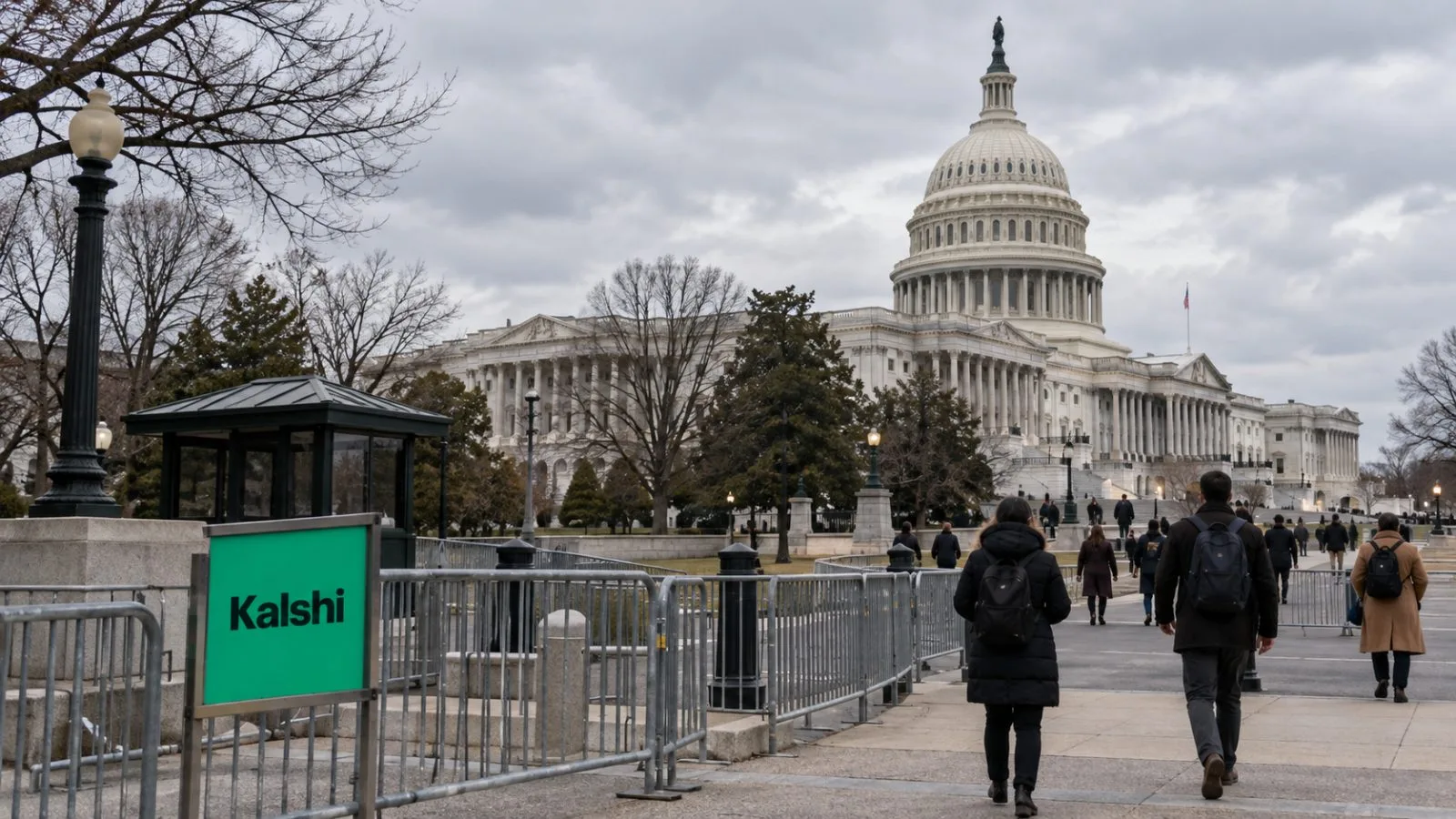
For brokerages weighing event contracts, Kalshi is pitching access to a market where customer orders can meet direct and institutional trades, giving firms a product to offer within their own platforms.
Kalshi Head of Institutional Andy Ross identified liquidity as the reason for connecting brokers. An order placed through a brokerage can interact with orders from other brokers, people trading directly on Kalshi and institutional participants. Each connection can bring another group of traders into the same order book.
Ross said firms already trading on Kalshi or preparing to join manage more than $1 trillion in assets across their businesses. The total does not measure funds held on the exchange or the value of event contracts traded there.
Apex Fintech Solutions announced its API integration with Kalshi on Aug. 13. It lets brokers offer the contracts on their own platforms without setting up a trading venue. Brokerages retain their customer relationships, while Apex handles accounts, custody and funds transfers.
Event contracts trade on Kalshi's exchange, with clearing handled by its clearinghouse. Apex serves as a clearing member. The arrangement gives brokerages a way to offer access to Kalshi's existing market while keeping customers on their own platforms.
tastytrade was the first firm to begin offering Kalshi contracts through Apex, starting July 27. Event contracts let customers take positions on whether a stated outcome occurs. A Kalshi contract pays a fixed amount if that outcome occurs and nothing if it does not.
The brokerage connection is separate from Kalshi's institutional trading route through Talos. Talos clients can route Kalshi orders through the trading system they already use. Its data service covers both Kalshi and Polymarket, while the order route described in EconoTimes' earlier coverage handles Kalshi contracts.