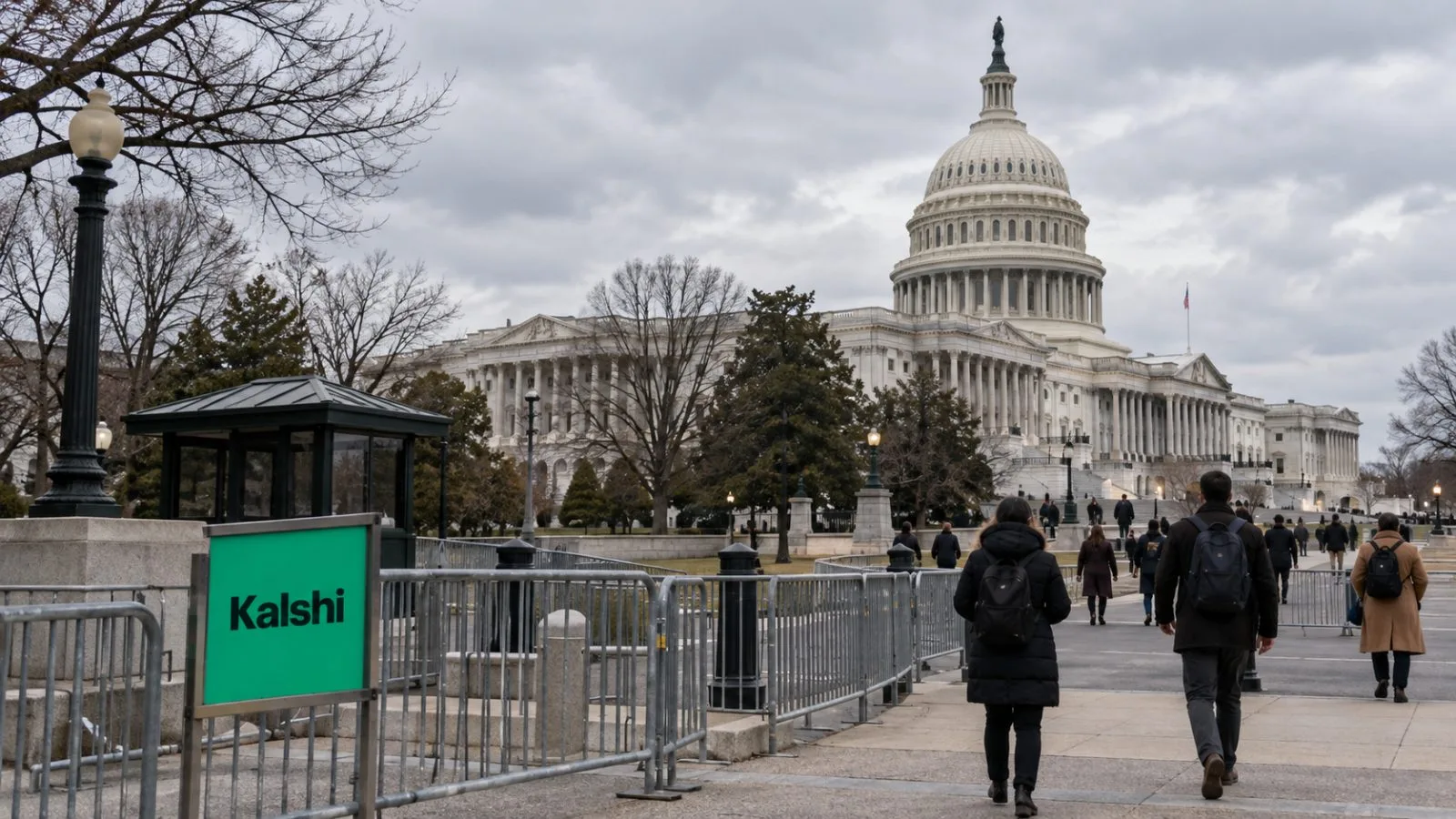
Kalshi and Polymarket have added contracts tied to U.S. measles counts, while a Kalshi pilot covering late-stage drug trials and Food and Drug Administration (FDA) decisions is drawing scrutiny over confidential information.
Polymarket's international platform, which operates separately from Polymarket US, lists a 2026 market settled using Centers for Disease Control and Prevention (CDC) case counts. Kalshi lists thresholds for the 2026 U.S. measles total. Kalshi announced a pilot with AppliedXL, a public-intelligence company, on July 16, covering contracts tied to late-stage clinical trials and FDA decisions.
For the pilot, Kalshi says it will verify traders' employment and list markets only after late-stage trials finish enrolling. The company said the limits aim to reduce risks to recruitment and market integrity. Kalshi and AppliedXL say they will review market performance and participant activity before deciding whether to expand the program.
The Guardian reported that researchers warned contracts tied to trials and agency decisions could reward people with confidential access for disclosing it. Matthew Eisenberg, a professor and chair of health policy and management at the Johns Hopkins Bloomberg School of Public Health, told the outlet that one trader could move prices in small health markets, making them a weak gauge of public opinion.
Kalshi has framed the pilot as a way to broaden access to drug-development information. Kalshi spokesperson Dani Lever told The Guardian the markets could circulate trial specialists' assessments to a wider audience. Polymarket did not respond to the outlet's questions, The Guardian reported.
A Rutgers University national survey conducted in 2026 among 1,677 people ages 13 to 27 offers broader gambling-risk context but does not measure the effects of health-related event contracts. It found that 52.5% had gambled in the past year. Of respondents who had gambled, 39.5% met some level of risk, while 10.3% fell into the study's high-risk category. Kalshi and AppliedXL say they will review the pilot's results before deciding whether to expand it.