Karnataka is targeting more data-center capacity by 2031 as Bengaluru residents report tanker dependence and farmers oppose land acquisition for a separate township near Bidadi.
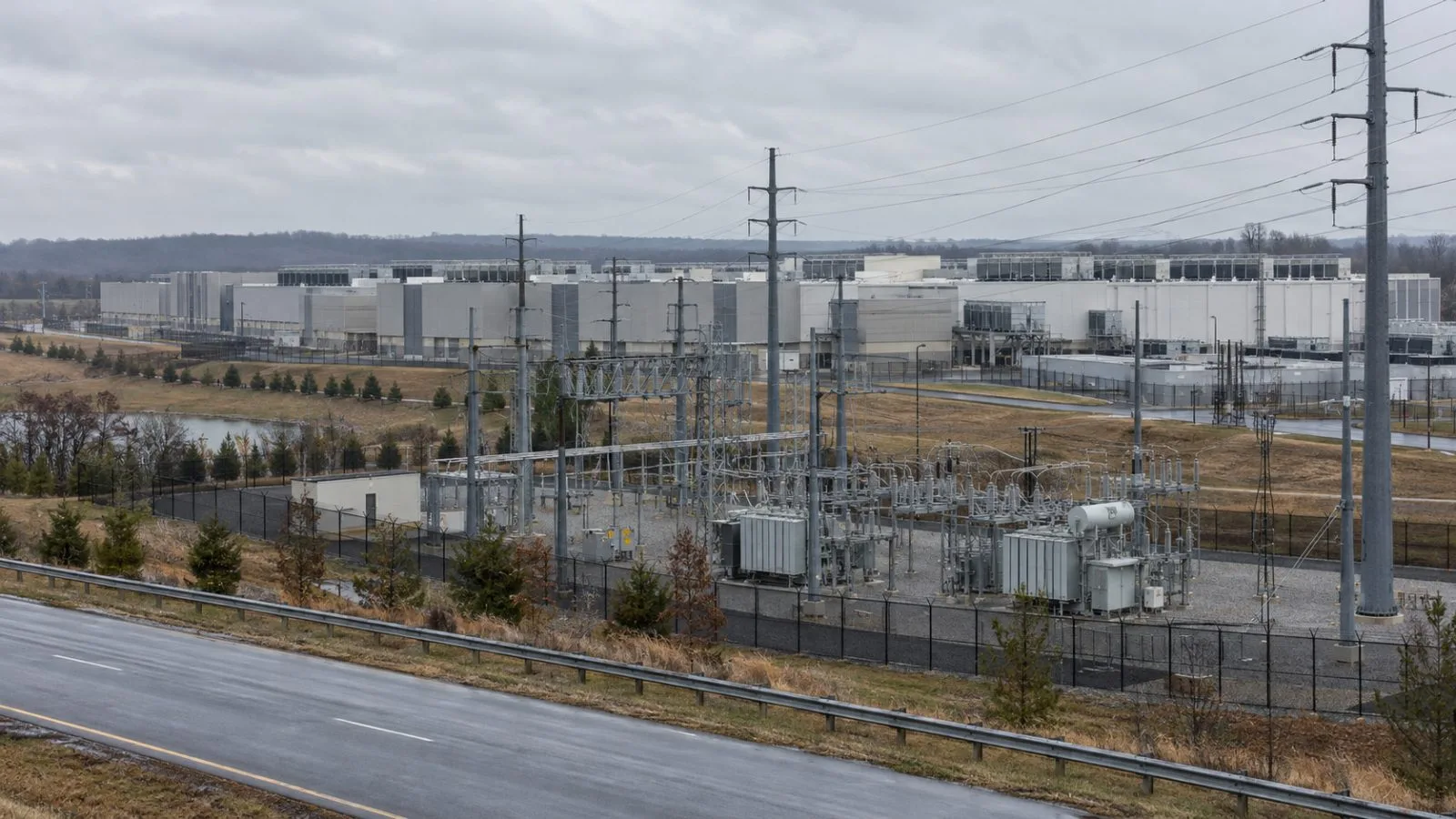
The state’s IT and BT Department says its 2026-31 data-center policy aims for one gigawatt of cumulative data-center IT load and a 10% to 12% share of India’s AI-ready data-center capacity by 2031. The policy includes water- and power-efficiency incentives and calls for resource mapping, the department says.
Channel NewsAsia reported that a citizens’ group in Electronic City says nearly 150 housing estates depend on private water tankers because they lack piped-water connections. The group believes nearby data centers add to the strain, but that causal link is unverified. The outlet identified group organizer and resident Pranay Dubey as saying water scarcity is a major challenge.
The News Minute reported that the Bangalore Water Supply and Sewerage Board and the Karnataka State Pollution Control Board do not separately track data-center water use. The outlet cited an IT department estimate of about 4,000 kiloliters per day for 32 centers across Karnataka, based on informal input from operators; that is not a metered Bengaluru total. A Council on Energy, Environment and Water study counted 31 operational data centers and 101 megawatts of IT capacity in Bengaluru in the first half of 2025, using industry sources including CBRE and Savills. The study says water needs can differ with computing load, local climate and cooling-system design.
The Ministry of Jal Shakti’s parliamentary reply put Bengaluru Urban’s 2023 groundwater extraction at 32,198.34 hectare-metres, compared with 21,346.07 hectare-metres of annual extractable groundwater. That is an extraction stage of 150.84%; all six listed urban assessment units were classified as over-exploited. The assessment did not identify data centers as the cause.
Separately, Karnataka’s Cabinet approved the Greater Bengaluru Integrated Township across 7,481 acres and 21.08 guntas in nine villages, at an estimated cost of ₹18,133 crore. The state says the project is intended to ease pressure on Bengaluru’s infrastructure.
The News Minute reported that a June final notification covered 518.45 acres across three villages. Later final notifications covered about 5,461 acres and 5 guntas across seven villages, according to NammaWard’s summary of a Karnataka government order. Farmers opposing the acquisition say it threatens agricultural land and livelihoods, Channel NewsAsia reported. Deccan Herald reported that their protest had passed 570 days by Oct. 10.
A Karnataka government order dated Aug. 10 created a four-member committee to review the township and required a report within 30 days, according to NammaWard.