Al Jazeera reported that dry conditions are squeezing Kenya’s dairy supply, citing farmers and businesses who described lower output and tighter availability. The farm, cooperative and shop-price figures in the report are accounts from the people interviewed, rather than national measurements.
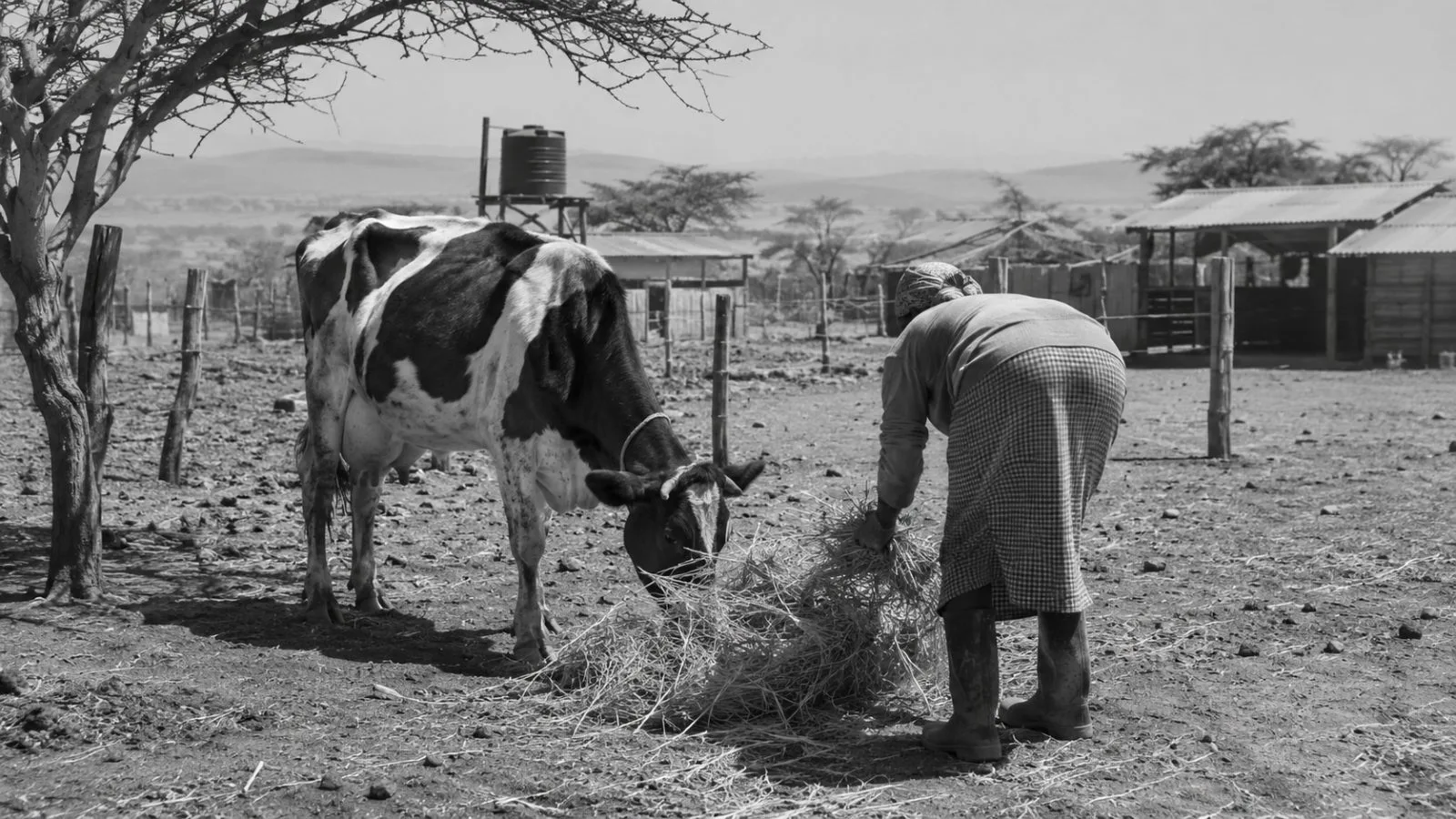
Jennifer Leshinka, a farmer in Bisil, Kajiado County, told Al Jazeera she was producing 50 liters a day, down from 120 liters three months earlier. She said hay cost 100 to 150 Kenyan shillings per bale as natural grass became scarce.
Jeremiah Ole Ncharo, Kajiado County’s executive committee member for cooperatives, told Al Jazeera that member deliveries had fallen by half at five or more women-led dairy cooperatives during the dry period. Jackson Sinkeet, who supplies hotels near Nairobi, said lower milk yields left him unable to fill orders, even when customers were willing to pay more.
Al Jazeera reported that 500-milliliter packets of some established brands sold for 79 to 89 shillings in Nairobi, while some neighborhood shops charged as much as 100 shillings. The figures describe reported shop prices, without establishing how they compare with earlier prices.
Formal deliveries to processors also declined during the dry spell. The Kenya News Agency reported that they fell to 81.3 million liters in July 2026 from 84.4 million liters in June, with preliminary figures pointing to a further decrease in August. Livestock Development Principal Secretary Jonathan Mueke attributed the pressure to a lack of rain and fodder shortages.
Kenya’s National Bureau of Statistics recorded 5.5 billion liters of milk production in 2025, up 3.5% from the previous year. Marketed milk volume rose 11.5% to 1 billion liters. Those annual totals do not measure the later dry-season conditions described in the reports.
A draft policy from Kenya’s Ministry of Agriculture and Livestock Development says smallholders produce more than 80% of the country’s milk. It estimates that informal traders, hotels and milk bars handle about 80% of milk trading, with roughly 20% processed.
The Kenya News Agency reported that the government could consider imports of milk powder or other dairy products if supply problems persisted. The report did not say imports had been approved.