


 David Schwartz to Reveal XRP Ledger Future at Ripple Swell 2026
  RBA Set for September Rate Hike as Inflation Stays High
  Litecoin Marks 15 Years as Grayscale Backs LTC ETF Push
  Bitcoin Price Falls Below $83K as Liquidations Hit $697M
  ECB May Stop Rate Hikes After December, Capital Economics Says
  Yen in Focus as BOJ, Fed Rate Hikes Reshape Currency Markets
  BOJ Raises Interest Rate to 31-Year High as Yen Weakens
  DogecoinVM Makes DOGE Transactions 300x Faster
  Evernorth XRPN Nasdaq Listing Delayed to October 12
  BlackRock’s Rick Rieder Favors Bonds Over Stocks as Treasury Yields Surge
  Kazakhstan and Tether Explore Tenge Stablecoin and RWA Tokenization
  RBI Uses $10 Billion Currency Swaps to Drain Excess Rupee Liquidity
  RBA Hikes Interest Rate to 4.60% as Inflation Risks Rise
  Robinhood Buys $25 Million in Bitcoin for Corporate Treasury


 Add as a preferred source on Google
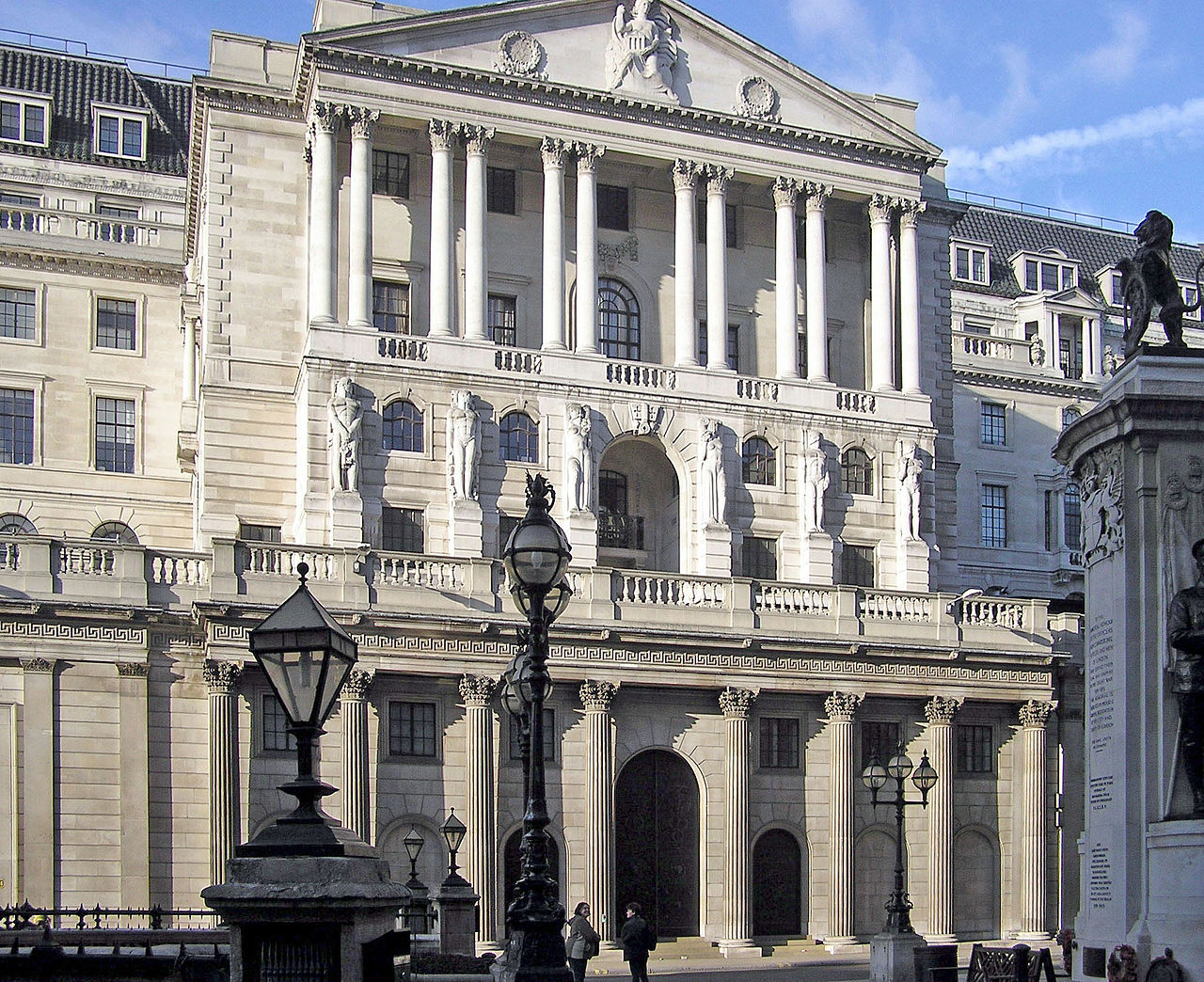
Bank of England's monetary policy committee (MPC) chose to keep monetary policy steady for 6 years and 7 months with interest rates at record low 0.5%.
Last time policy rate was changed dates back in February 2009, when it was cut to record low of 0.5%, by then governor Sir Mervin King.
Key highlights -
- MPC members voted 8/1 in favor of keeping policy steady, in line with broader market expectations. MPC member Ian McCafferty remained the sole dissenter, voting in favor of 0.25% rate hike.
- Subsequent monetary tightening will be modest and rates are likely to remain low by historical standards for years to come.
- Downside risks to world activity has increased, not yet translate into materially weaker outlook for UK- according to majority of the members.
- In spite of uncertainty over path of inflation, BOE is expecting it to pick up at turn of the year.
- According to McCafferty, early rate hike would provide room for more gradual rise.
- Domestic expansion remains healthy.
- According to BOE members, domestic momentum is being underpinned by robust real income growth, supportive credit conditions, and elevated business and consumer confidence.
Pound benefited early from upbeat BOE tone to trade as high as 1.5449 against Dollar, before wiping the gains to hover around 1.54.
It seems, some in the market are not too convinced over BOE's cheerful vision.







