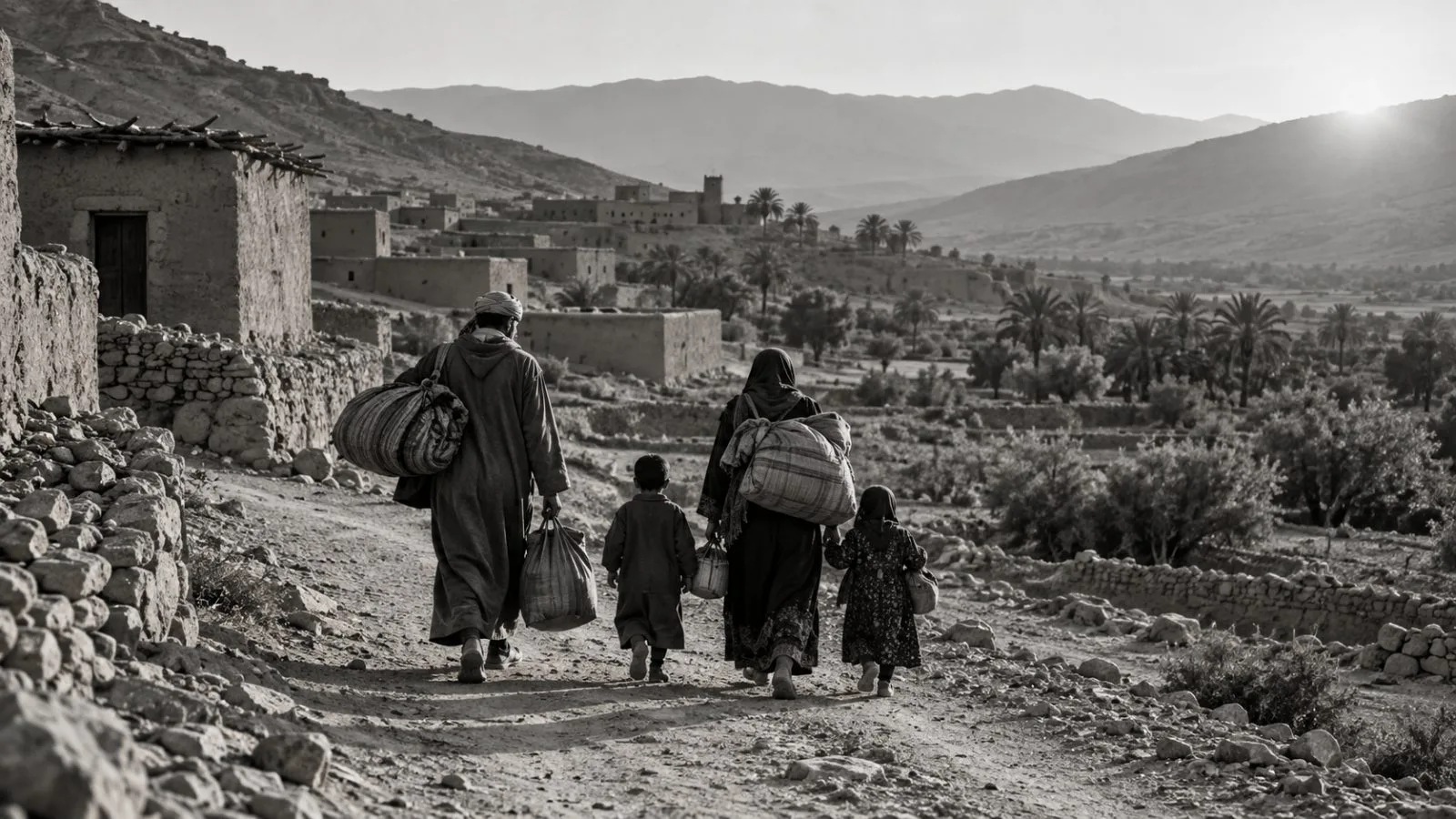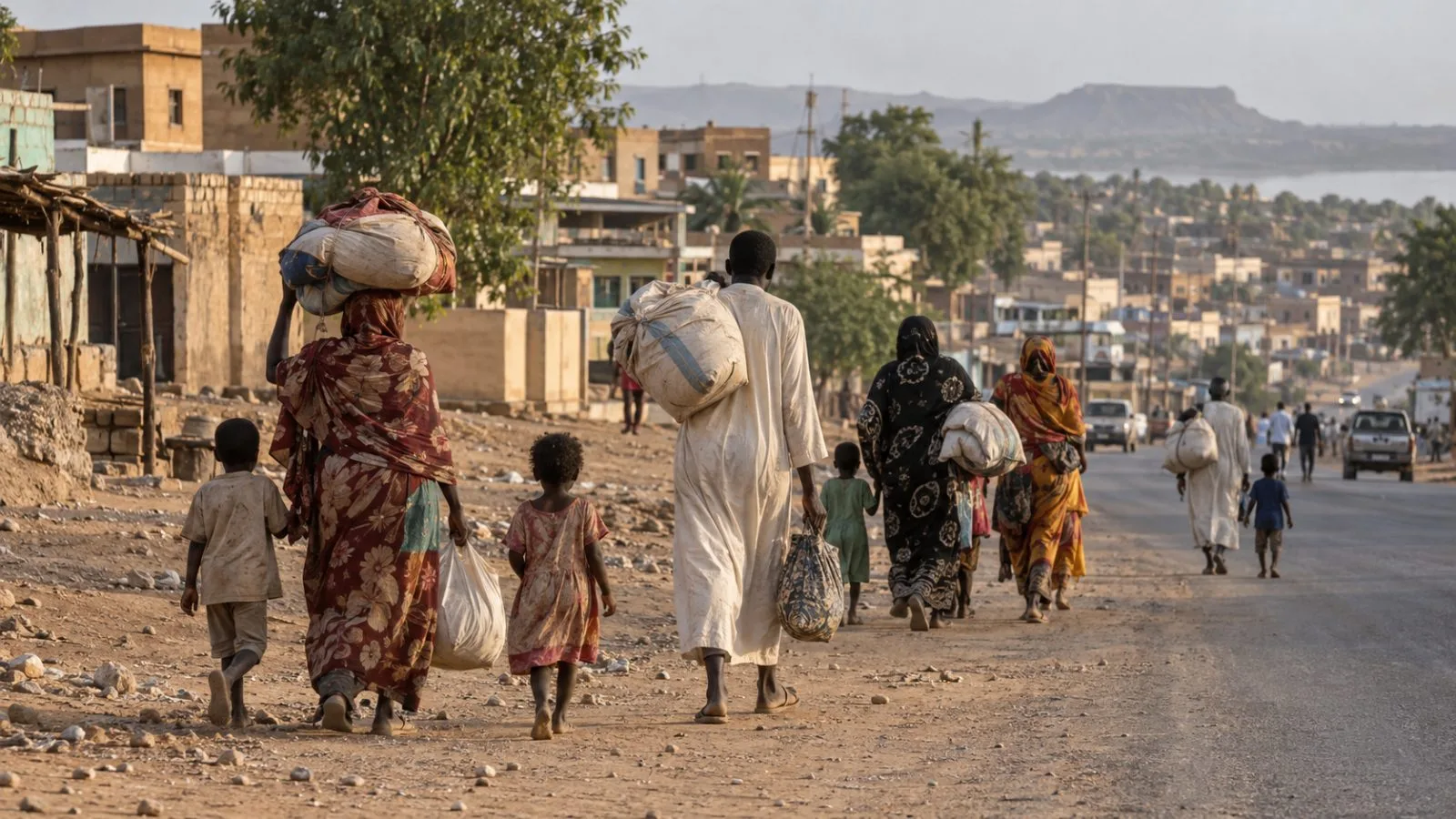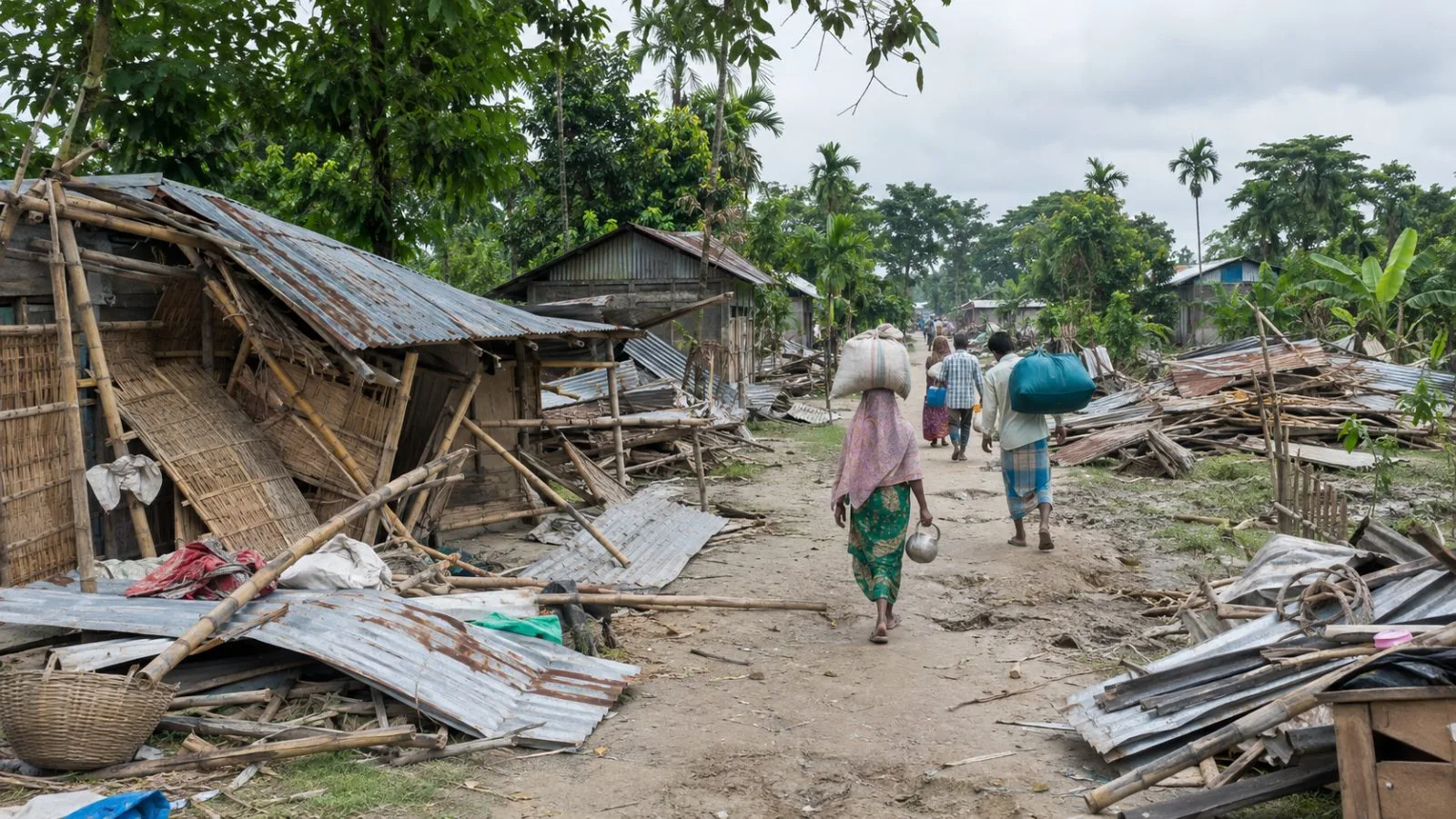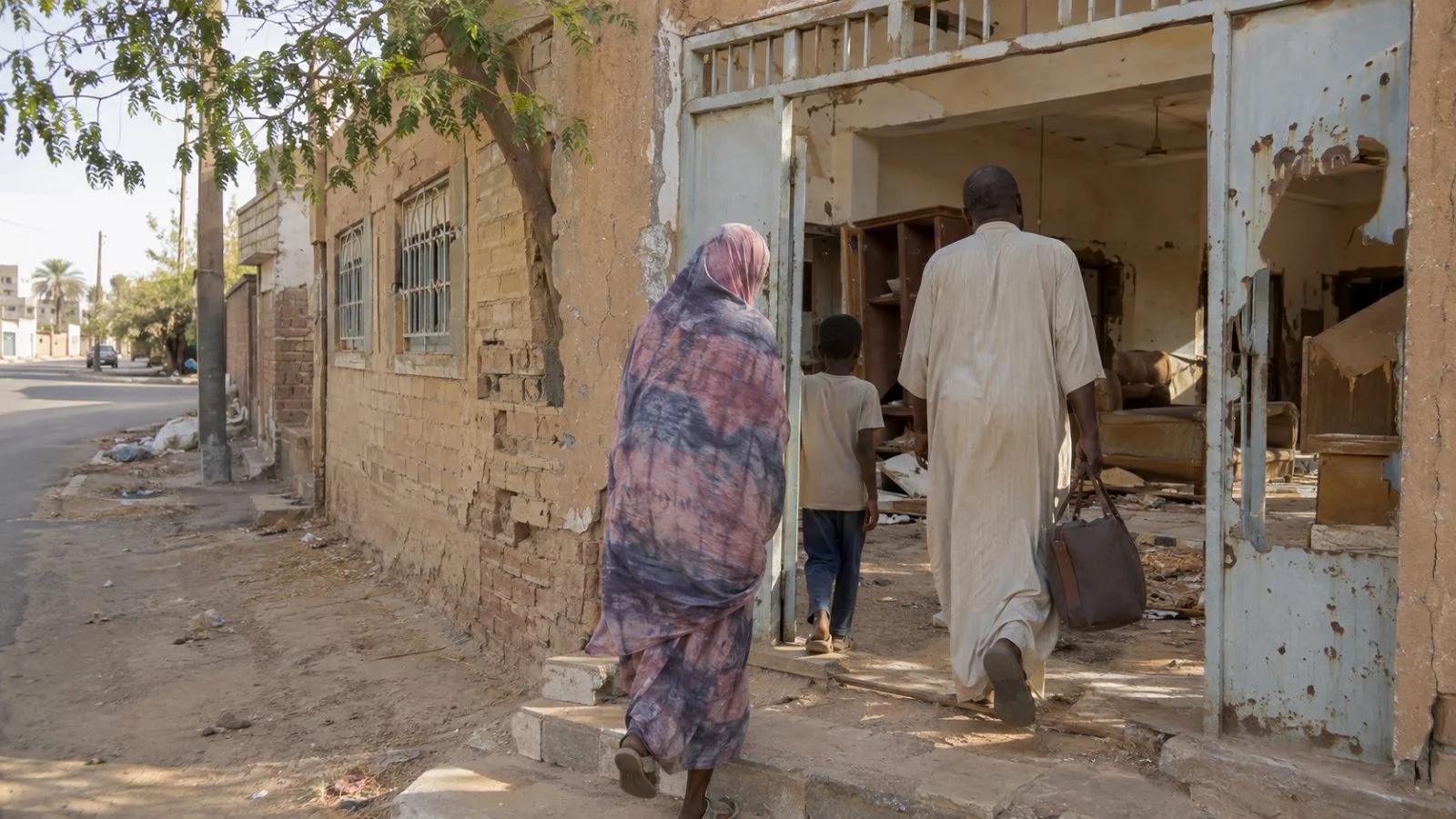
Sudanese families returning to Khartoum face home repair costs, limited work and damaged public services, making it difficult to rebuild their lives even as millions return to areas across the country.
The International Organization for Migration (IOM) estimated that 5,273,334 people had returned across nine Sudanese states by Sept. 30. It estimated that 8,585,611 people remained internally displaced across all 18 states. Of the returnees, 82% came from elsewhere in Sudan and 18% from abroad. Children under 18 made up approximately 50% of the total.
The UNHCR Development Action Platform, a recovery initiative involving the U.N. refugee agency, says returns to Khartoum have increased since March 2025. It identifies damage to homes, businesses and public services as barriers to rebuilding livelihoods. Families without civil records can also face difficulties obtaining services or completing housing, land and property procedures.
The war between the Sudanese Armed Forces and the Rapid Support Forces began April 15, 2023. In an account reported by Al Jazeera, Mohamed Mahdi Makki Farah, 51, said he returned to the Khartoum area in August 2025 and found his home destroyed and looted. He said he could not afford to repair it.
Fuel shortages have added to transport difficulties. The Nov. 1 notice outlined a 10-bus service for residents and students and designated fuel stations for public transport. The locality put the number of passenger buses operating on approved routes at more than 750. Sudan’s energy and oil minister said Nov. 2 that recent fuel supply gaps were partly linked to financial procedures and vessel scheduling. He described the gaps as temporary.
The platform says the scale of Khartoum’s explosive hazards has yet to be fully established. It calls for investment in housing, public services and livelihoods to help returning families settle.