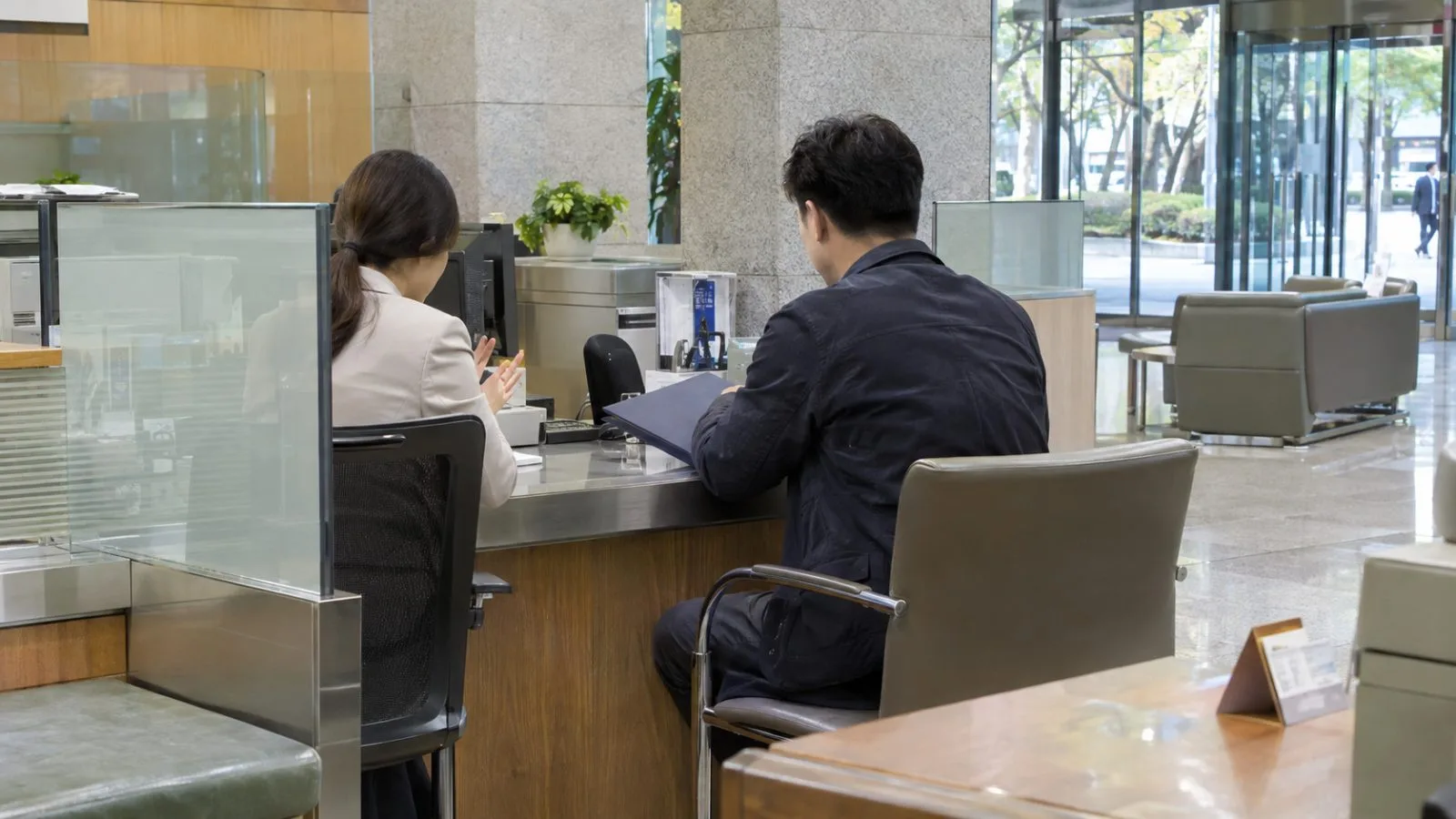
South Korean banks are weighing borrower risk more heavily as they pursue earnings quality, Matt Choi, a director in Fitch Ratings’ Financial Institutions Group, told The Korea Herald in an interview.
The Financial Services Commission (FSC) 2026 work plan calls for “productive finance” for high-tech industries, regional economies and small businesses. Choi told the newspaper the policy push had not materially changed lending standards or credit quality so far. He also said banks give greater consideration to risk-adjusted returns when selecting borrowers.
The Financial Supervisory Service (FSS) reported that 0.69% of domestic banks’ won-denominated loans were at least one month overdue at the end of August, up 0.06 percentage point from July. The delinquency rate for small and midsize enterprise (SME) loans reached 1%, an increase of 0.09 percentage point. The overall rate remained below the 0.78% average for 2010-2019.
In its Sept. 9 assessment, Fitch Ratings forecast little change in the near-term outlook for major South Korean banks. It expected profitability to remain solid and asset-quality pressure to be manageable, with the main strain among self-employed borrowers and SMEs with limited financial flexibility.
KB Financial Group reported net profit of 5.7921 trillion won for the first nine months of 2026, up 13.1% from a year earlier. Its bank’s won-denominated loans totaled 391 trillion won at Sept. 30, up 3.5% from year-end 2025. Corporate lending rose 5.5%, with loans focused on large companies and blue-chip SMEs.
The group reported a provisional common equity Tier 1 (CET1) ratio of 13.80% at Sept. 30, and about 1.3 trillion won in share buybacks and cash dividends during the third quarter. The Korea Herald reported that shareholder payouts leave less capital available to absorb losses. Choi separately told the newspaper that financial groups use minimum capital ratios to guide payout decisions.