Nvidia’s H200 export licences should face review, and chief executive Jensen Huang could face a subpoena over alleged chip diversions and national security concerns, U.S. Congressman Krishnamoorthi said.
The proposed review would put government permission for the chip sales under scrutiny while lawmakers seek answers about possible transfers to restricted Chinese buyers. Huang’s participation in a requested closed-door briefing on Nov. 18 remained unresolved.
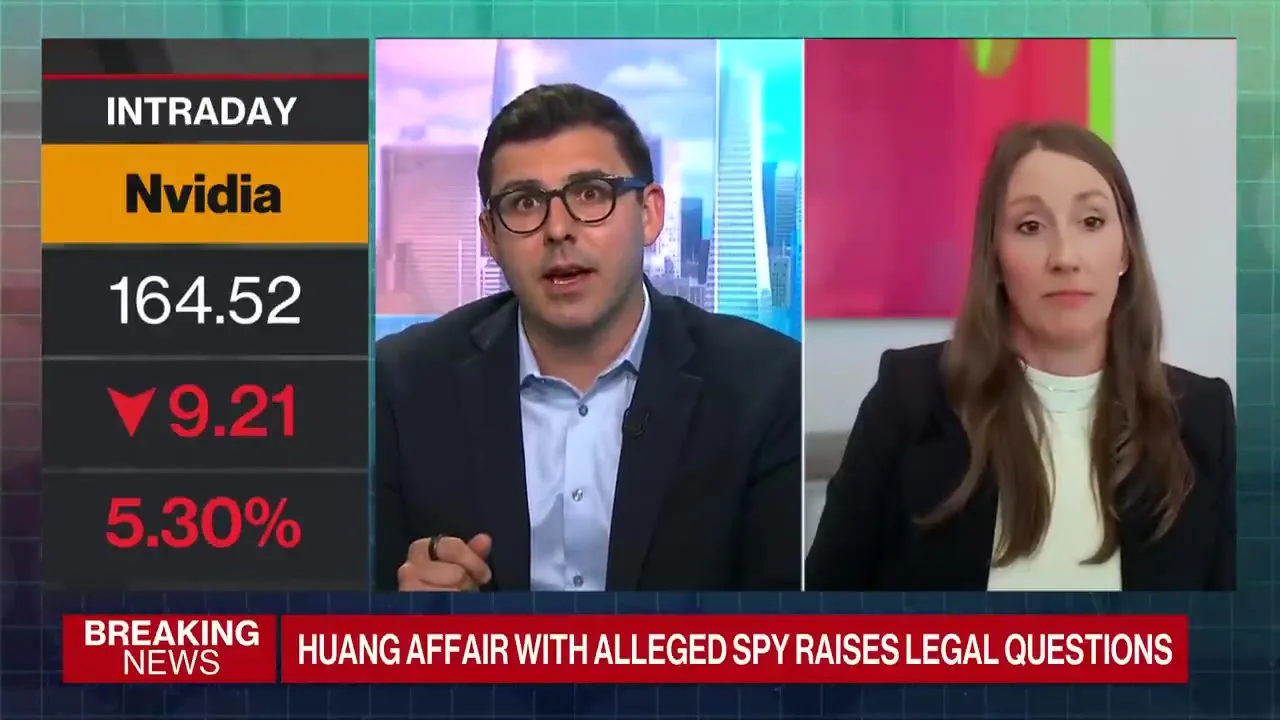
In an interview on Bloomberg Technology published Nov. 12, Krishnamoorthi sought answers about an alleged relationship between Huang and a woman he described as a Chinese spy. He questioned what she might have learned and whether Huang knew about possible diversions of advanced Nvidia chips from Mega Speed to China or blacklisted entities.
Krishnamoorthi described Mega Speed as the company the woman ran. The allegations about the relationship and chip transfers were not independently established in the interview, which included no response from Huang or Nvidia.
Some H200 chips had reached blacklisted entities that should not have received them, he alleged. He also raised the possibility that restricted Chinese companies could remotely access Blackwell chips shipped to customers in Southeast Asia.
He sought stronger export restrictions through legislation incorporated into the National Defense Authorization Act, a defence policy bill, before the end of the year. Asked whether he had received a separate briefing on Mega Speed, he acknowledged that his information came only from published accounts.
He next questioned President Donald Trump’s handling of the alleged relationship. Citing public accounts, he suggested Trump might have learned about it a year earlier and alleged that Marco Rubio briefed Trump again in May before Huang accompanied him to Beijing.
Krishnamoorthi requested a classified briefing on intelligence agencies’ information about the alleged relationship, followed by questioning of Huang. “If he doesn’t voluntarily comply with our request, then we need to subpoena him,” he said.
The proposed legislation would put restrictions on exports of the most advanced chips to Chinese Communist Party-controlled entities into law, limiting White House discretion. He also sought restrictions on exports of some chipmaking equipment and mandatory location-tracking technology on chips to help enforce limits on diversions to China.
He described broad support across party lines for those measures, alongside resistance from Nvidia and other industry participants. That assessment did not include a vote count or identify lawmakers who had committed to supporting the proposals.
His remaining questions concerned Huang’s efforts to loosen export controls, what he knew about the chips’ eventual uses and whether the alleged relationship influenced his conduct. Those questions remained unanswered, including whether any compromising material existed or affected his decisions.