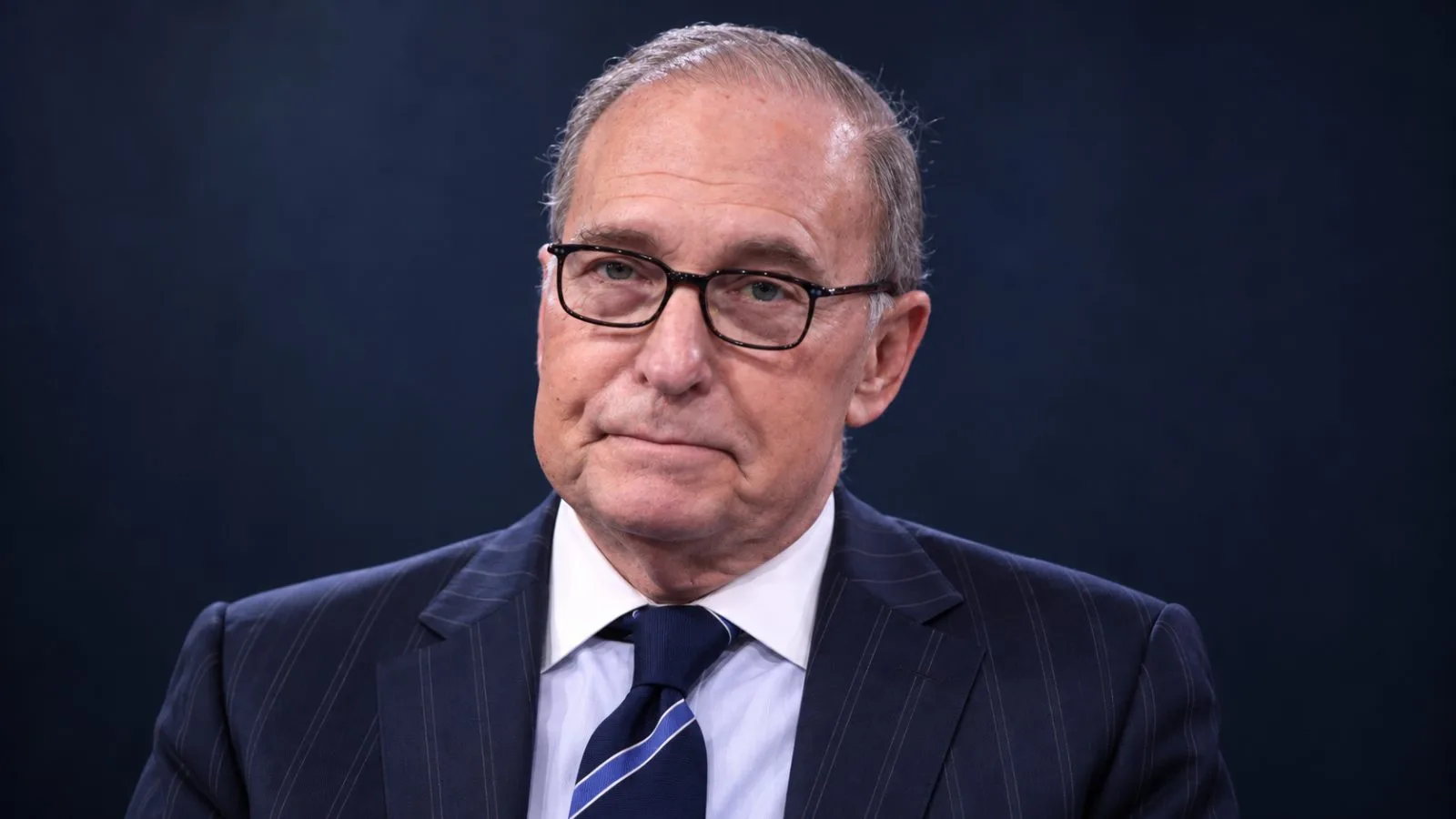
Larry Kudlow urged President Donald Trump to veto efforts to reverse Medicaid and food assistance changes as the Congressional Budget Office projects the law’s Medicaid chapter will add 7.5 million uninsured people by 2034.
In a Nov. 3 Fox Business opinion column, Kudlow argued that Trump should block any Democratic bill to undo the changes. Kudlow said the president should “veto everything they might try to pass,” but cited no direct commitment from Trump to take that step.
Kudlow also cited comments he attributed to U.S. Rep. Debbie Dingell about reversing Medicaid cuts and changes to food assistance. Fox Business reported Kudlow’s account, while the interview context remains unverified. He invoked welfare reforms from the Clinton-Gingrich era as a comparison; that was Kudlow’s argument, not an established finding about the current law.
At issue is Public Law 119-21, enacted July 4, 2025, which changed Medicaid rules and work requirements under the Supplemental Nutrition Assistance Program (SNAP). The law’s Medicaid community engagement provision calls for qualifying activities, while its SNAP provisions separately change food assistance work rules.
Under Centers for Medicare & Medicaid Services (CMS) guidance, certain nonpregnant adults ages 19 to 64 in specified Medicaid coverage groups will be subject to an 80-hour-per-month qualifying-activity requirement.
Congressional Budget Office (CBO) estimates show that the law’s Medicaid chapter will raise the number of people without health insurance by 7.5 million in 2034. That projection does not count people who already lost coverage and does not isolate the activity requirement’s effect.
In a separate distributional analysis, CBO projects that household resources will decline near the bottom of the income scale and rise for middle- and higher-income households from 2026 through 2034. The analysis excludes some tax provisions, additional debt-service costs and macroeconomic effects. States generally must put the Medicaid requirement in place by Jan. 1, 2027.