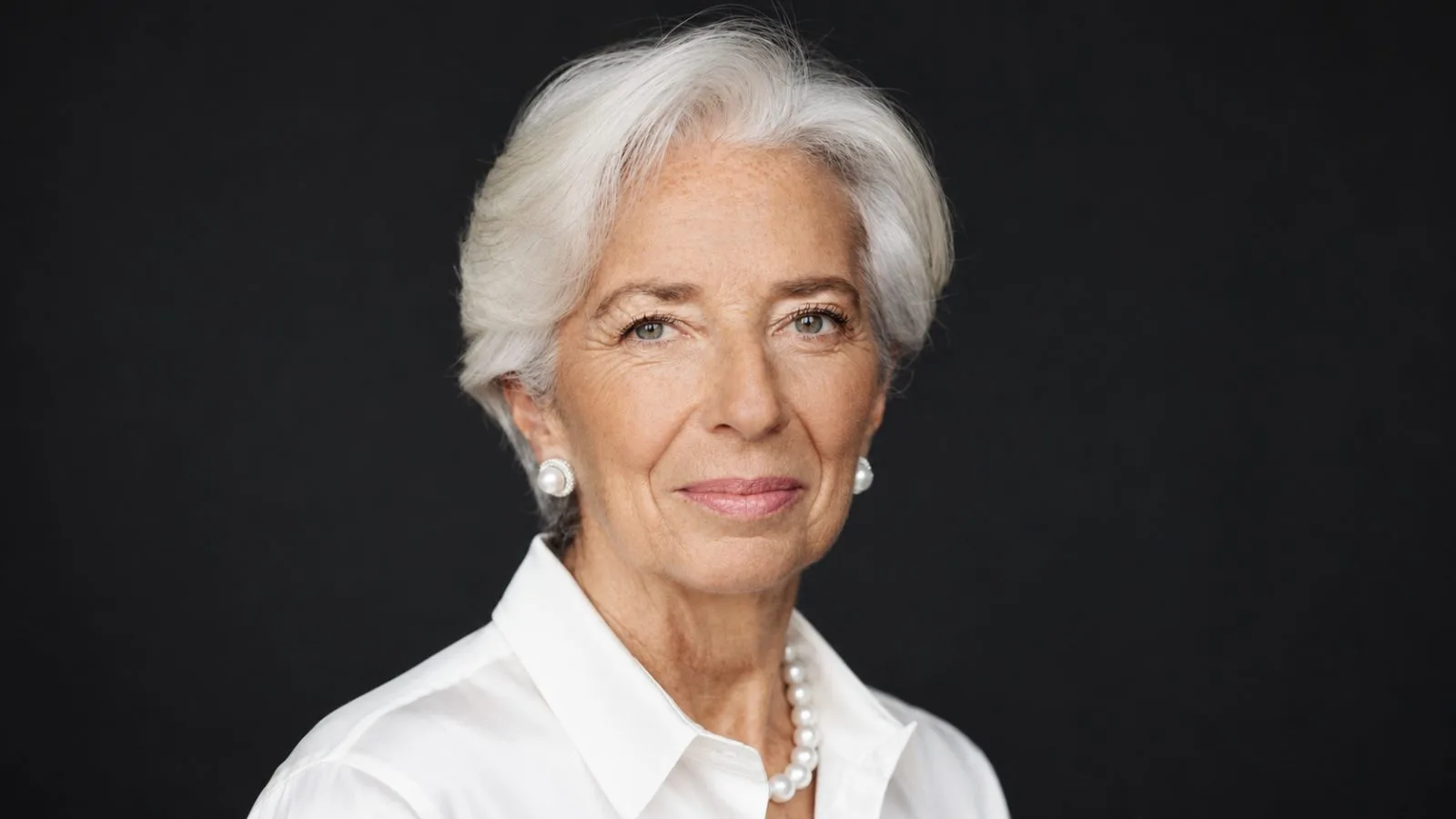
ECB President Christine Lagarde said tighter financing and rising long-term rates will exert a larger drag on euro-area growth than the bank expected in September, while limiting energy-cost spillovers into other prices.
The ECB put headline inflation at 3.8% in September and core inflation at 2.5%. Lagarde linked most of the headline pressure to energy prices and said wages had not yet shifted substantially in response. The bank expects inflation to stay above its 2% goal through the first half of 2027, then move close to that level toward year-end.
September ECB staff projections put euro-area growth at 0.9% in 2026, 1.4% in 2027 and 1.5% in 2028. The ECB raised its key interest rates by 25 basis points in June and again in September. The deposit facility rate took effect at 2.50% on Sept. 16.
Lagarde called for a “measured response” and said policymakers would consider incoming data, underlying inflation and the strength of monetary policy’s effects when setting rates. The ECB has not committed to a particular rate path.
Reuters reported that global bond yields had risen in recent weeks, increasing borrowing costs in the euro area, with France among the hardest-hit markets. The news agency linked the rise to concerns about debt and inflation and competition for financing from AI investment.
An ECB account of its Sept. 9-10 meeting found that domestic factors dominated its analysis of the euro-area 10-year nominal overnight index swap rate. It identified economic conditions and changes in market expectations for ECB policy among those factors. For the broader rise in rates since late 2024, the account pointed to Germany’s March 2025 fiscal package and the start of the Middle East conflict in February 2026 as significant influences.
The ECB’s next monetary policy meeting is scheduled for Oct. 28-29, with a news conference on Oct. 29.