Lebanon’s cabinet has approved a controversial draft law aimed at addressing the country’s prolonged financial crisis, a move seen as a critical step toward unlocking long-awaited international financial support. The legislation, widely referred to as the “financial gap” law, was passed on Friday by a narrow cabinet vote of 13 to 9, highlighting deep political divisions over how to resolve one of the worst economic collapses in modern history.
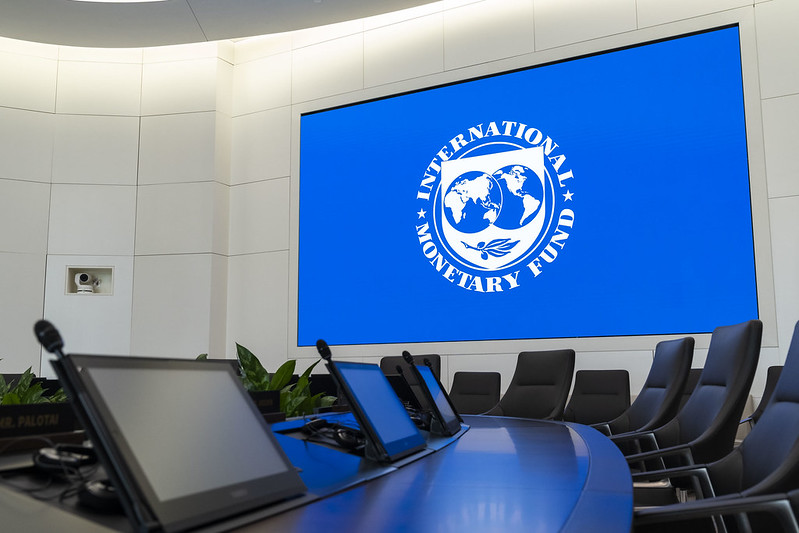
The financial gap law is a cornerstone of reforms demanded by the International Monetary Fund (IMF) as a prerequisite for providing financial assistance to Lebanon. The country has been grappling with a severe economic and banking crisis since 2019, which has devastated the currency, wiped out savings, and frozen billions of dollars in bank deposits. In 2022, Lebanese authorities estimated total losses at around $70 billion, though the figure is now believed to be significantly higher.
At its core, the law seeks to define how losses from the financial collapse will be distributed among the state, the central bank, commercial banks, and depositors. It also aims to establish a mechanism that would allow depositors to gradually recover access to their frozen savings, an issue that has fueled widespread anger and social unrest over the past six years.
Despite its passage, the draft law has faced strong opposition. Protesters gathered near government headquarters during the cabinet session, arguing that the legislation fails to adequately protect depositors. The Association of Banks in Lebanon also criticized the proposal, reflecting resistance from the banking sector, which could bear a significant share of the losses.
Prime Minister Nawaf Salam defended the law as a “realistic step” toward restoring confidence in Lebanon’s shattered financial system. He emphasized that the legislation introduces accountability for the first time and could help rebuild trust among Lebanese citizens as well as foreign investors, particularly from Gulf countries, once reforms are implemented.
The draft law will now be sent to Lebanon’s deeply divided parliament, where it is expected to face intense debate and possible amendments. Although past financial reforms have repeatedly stalled due to political and private interests, both Prime Minister Salam and President Joseph Aoun have pledged to push reforms forward as a national priority.