President Lee Jae Myung urged an early transfer of wartime operational control to Seoul, saying South Korea was capable and talks with Washington were progressing.
Reuters reported Lee said South Korea was capable of taking command and that discussions with Washington were progressing. Yonhap News Agency reported that Lee also framed the transfer as a matter of national sovereignty.
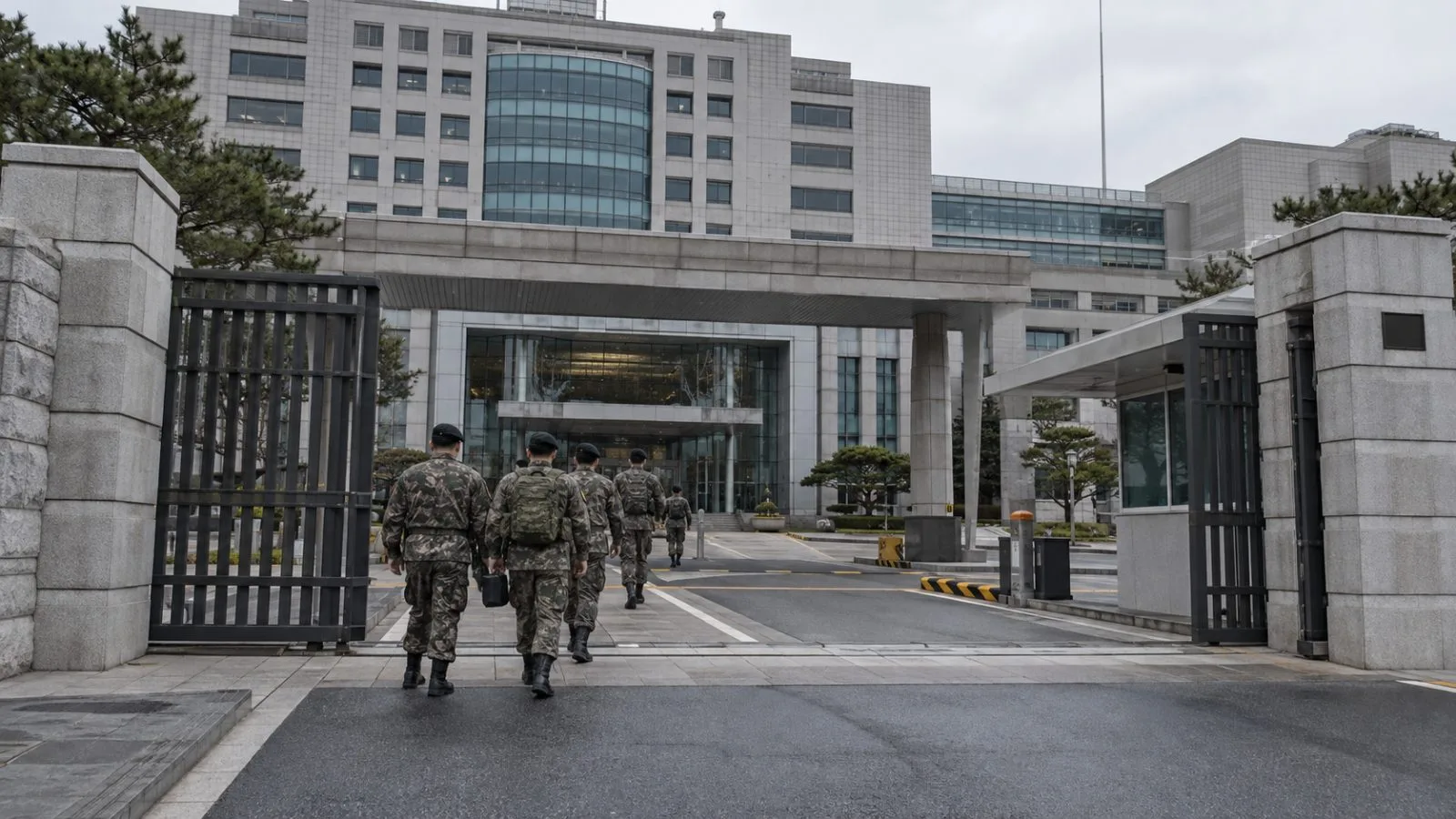
U.S. wartime operational control began during the 1950-53 Korean War, but the current Combined Forces Command was established in 1978, according to South Korea's Ministry of National Defense (MND). South Korea regained operational control of its own forces in peacetime in 1994.
The allies agreed in 2007 to pursue a transfer. In 2014, they moved from a fixed timetable to a process based on mutually agreed conditions. A 2018 revision provided for a South Korean general to lead the continuing Combined Forces Command, which is currently headed by a U.S. general.
The MND says the conditions cover South Korea's military capabilities and a security environment conducive to a stable transition. The ministry links the conditions-based approach to increased threats from North Korea. Lee has said the South Korean military can counter North Korea despite Pyongyang's nuclear weapons, Reuters reported. A transfer would shift wartime leadership to a South Korean general while retaining the combined command, requiring Seoul to meet the military benchmarks.
Lee wants to complete the handover before his five-year term ends in 2030. South Korean media have reported that Seoul favors 2028 as a target year. Gen. Xavier Brunson, commander of U.S. Forces Korea, told U.S. lawmakers in April that a military roadmap aimed to meet the conditions by early 2029; that is a readiness target, not an agreed transfer date. His testimony described a future U.S. role with more limited supporting capabilities.
The allies have not set a handover date. Their assessment of readiness against the agreed conditions remains central to deciding when command can change.