


 Paramount Skydance Completes $110 Billion Warner Bros Discovery Deal
  Anthropic Expands Claude Access for Cyber Defense Teams
  Becton Dickinson to Invest $3 Billion in U.S. Medical Manufacturing
  Securitize, LG CNS Partner on South Korea Tokenization
  Ripple Expands Brevan Howard Deal With Prime Brokerage Services
  Constellation Brands Beats Q2 Estimates, Buys SpikedAde
  Berenberg Rates Domino’s Pizza ‘Buy’ on Chick ’N’ Dip Growth
  Founders Fund Leads $5M Anvil Token Purchase
  Nomura Asset Management Targets Global Investors as Japan Markets Gain Appeal
  SpaceX Seeks $40 Billion for Nvidia AI Chips
  Marvell Stock Surges on $90 Billion AI Revenue Outlook
  Evernorth XRPN Nasdaq Listing Delayed to October 12
  Zcash Prepares for NU7 Upgrade as Zebra Gets Key Security Fixes
  LG Electronics Shares Slide as Q3 Profit Misses Estimates
  DeepSeek Seeks $12 Billion Funding Round Backed by Tencent, CATL
  OKX Raises Fresh Funding at $25 Billion Valuation
  Samsung, SK Hynix Shares Fall Ahead of Q3 Earnings


 Add as a preferred source on Google
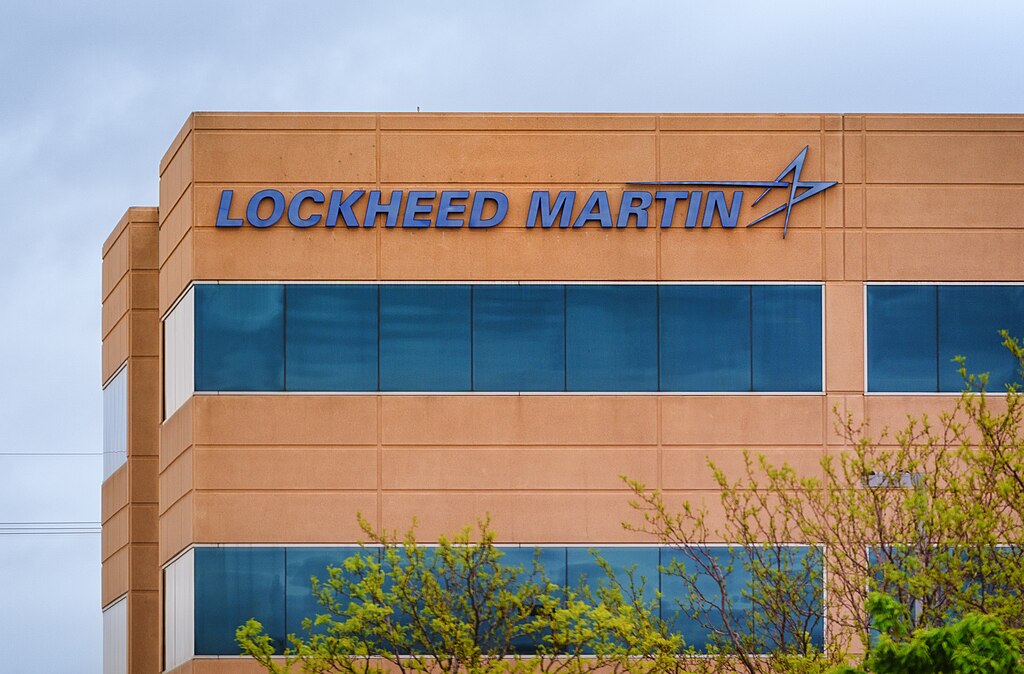
Lockheed Martin has introduced a lower-cost Patriot missile interceptor designed to help militaries defend against growing drone and missile threats while reducing air defense costs. Announced at the Farnborough International Airshow, the new PAC-3 Adapted Capability Effector (ACE) is expected to cost less than half the price of the company's current PAC-3 Missile Segment Enhancement (MSE) interceptor, which is estimated at around $4 million per missile based on U.S. Army budget documents.
The defense giant said initial production of the Patriot ACE interceptor could begin within 36 months. Lockheed Martin also plans to develop and manufacture the system alongside U.S. and European industry partners, strengthening transatlantic defense cooperation as demand for advanced air defense systems continues to rise.
Tim Cahill, president of Lockheed Martin Missiles and Fire Control, said the new interceptor is designed to provide American and allied forces with a battle-tested and cost-effective solution capable of addressing evolving security threats.
The announcement comes as European nations accelerate defense spending following Russia's invasion of Ukraine. While U.S. defense companies are seeking to capitalize on Europe's military modernization efforts, many European governments are also investing in domestic defense manufacturing to reduce reliance on American suppliers.
The Patriot air defense system has become one of the world's most in-demand missile defense platforms since the war in Ukraine began in 2022. Ukrainian President Volodymyr Zelenskiy has repeatedly requested additional Patriot launchers and interceptors to counter intensified Russian ballistic missile attacks. Rising tensions involving Iran, Israel, and the United States have also increased global demand for advanced missile defense systems, placing additional pressure on production capacity across the Western defense industry.
Lockheed Martin's launch of the lower-cost Patriot ACE missile also reflects a broader shift in the defense sector. Traditional contractors are facing growing competition from defense technology startups backed by Silicon Valley investors, which are developing cheaper, rapidly produced weapons systems that challenge conventional procurement models and reshape the future of military technology.







