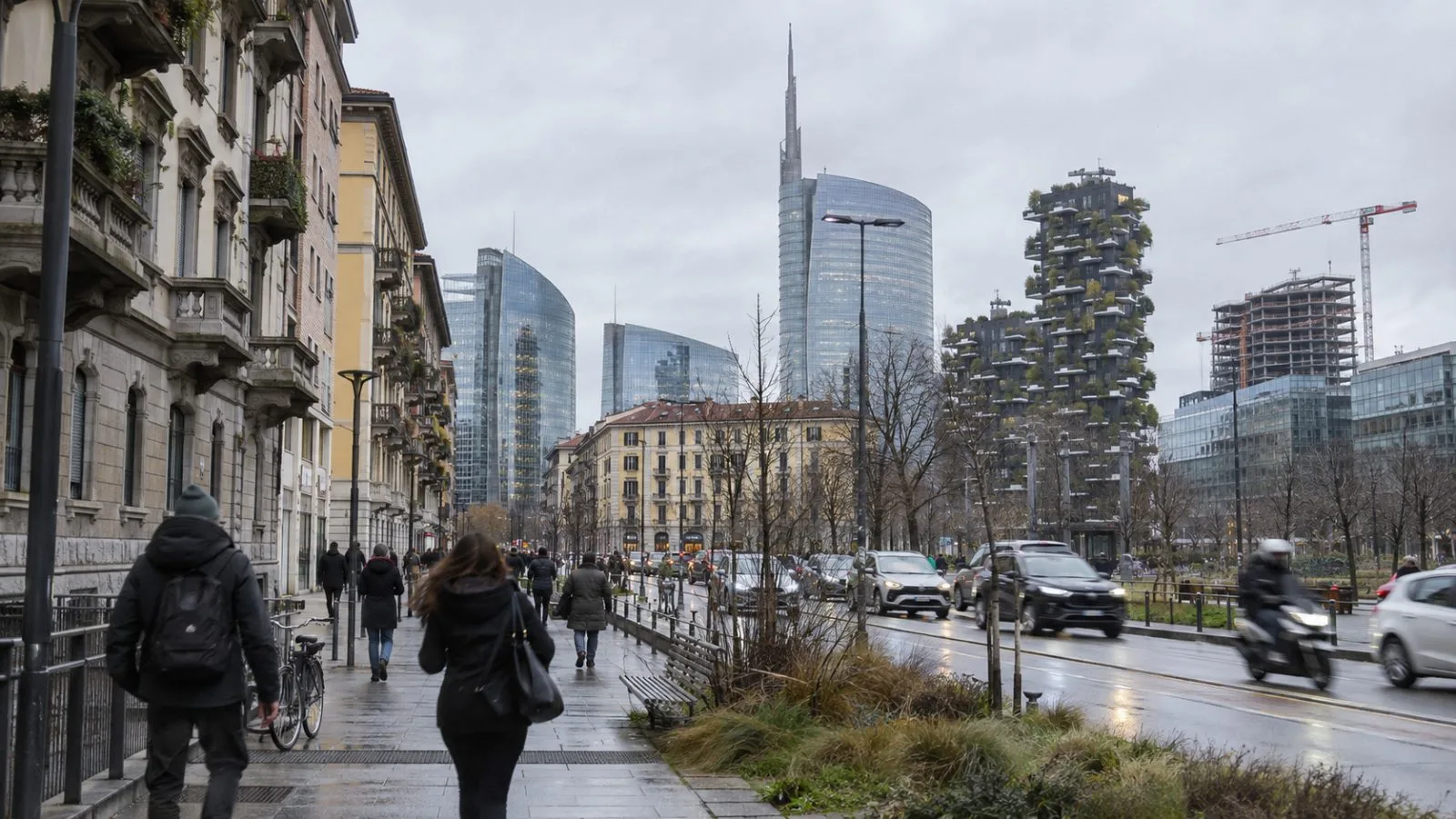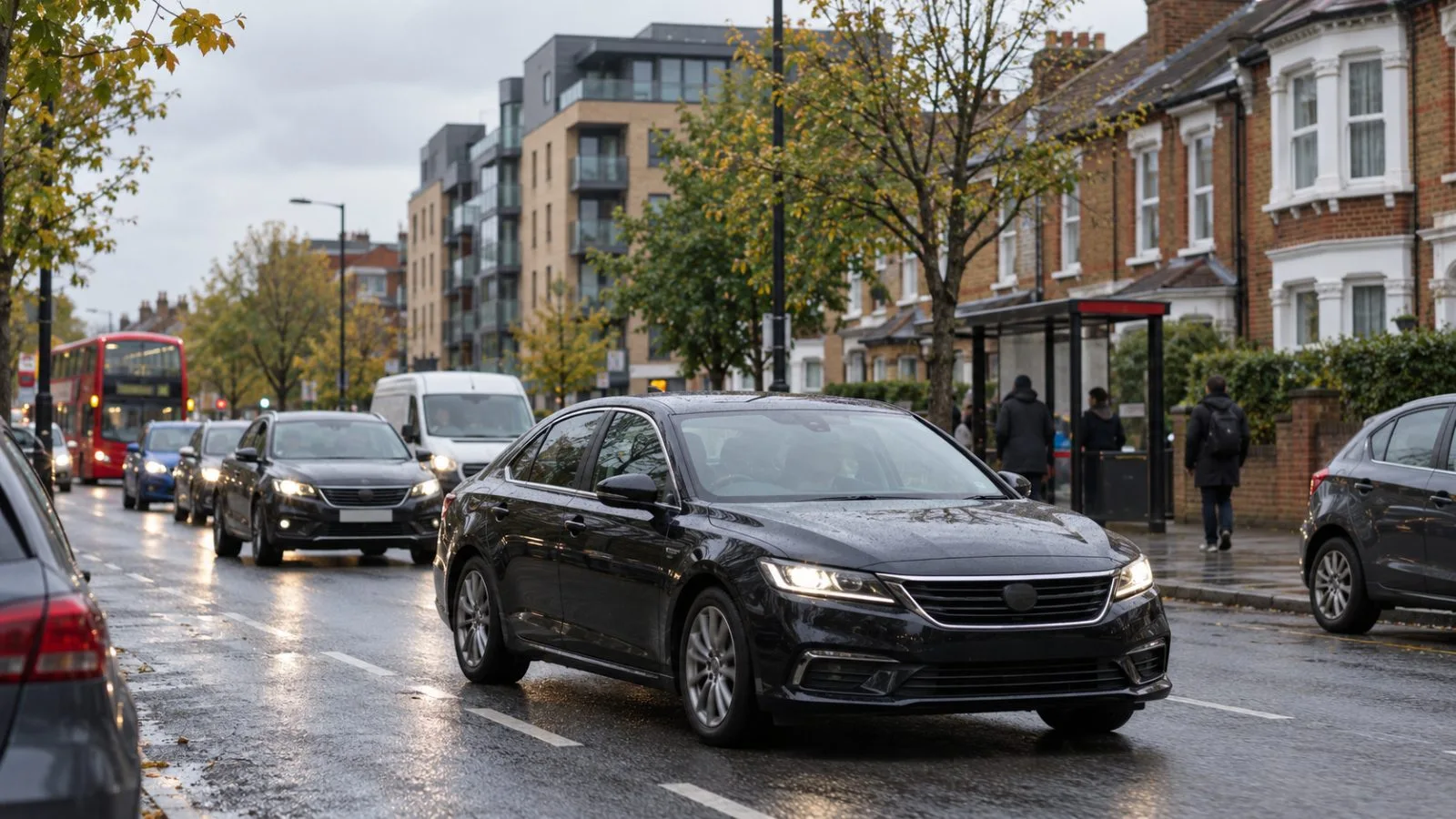
A central scenario in London’s draft development plan projects highway trips rising 10% by 2036, while the mayor’s office expects car use to fall and active travel to increase.
The model compares travel demand with a 2023 baseline. It also projects public-transport trips rising 17% and walking and cycling trips increasing 6% by 2036. The plan’s central case projects London’s population reaching 9.9 million, compared with 9.1 million at the time of the report.
The mayor’s office said the model assumes no additional active-travel schemes over the next decade and does not account for recent changes, including Oxford Street’s pedestrianization. A spokesperson said the office expects active travel to increase significantly by 2036 and car use to fall.
The Guardian reported that the plan also models a possible 7% drop in average road speeds and warns that severe crowding on the Underground could prompt station-entry closures or trains to skip stops during peak periods.
Ralph Smyth, strategy adviser to Transport Action Network, criticized the projected rise in highway trips, saying the draft plan should help make London cleaner, healthier and less congested.
City Hall published the draft London Plan in July 2026. It sets out proposals for London’s development over 20 years and will undergo an independent Examination in Public before final adoption, which City Hall expects in early 2028.