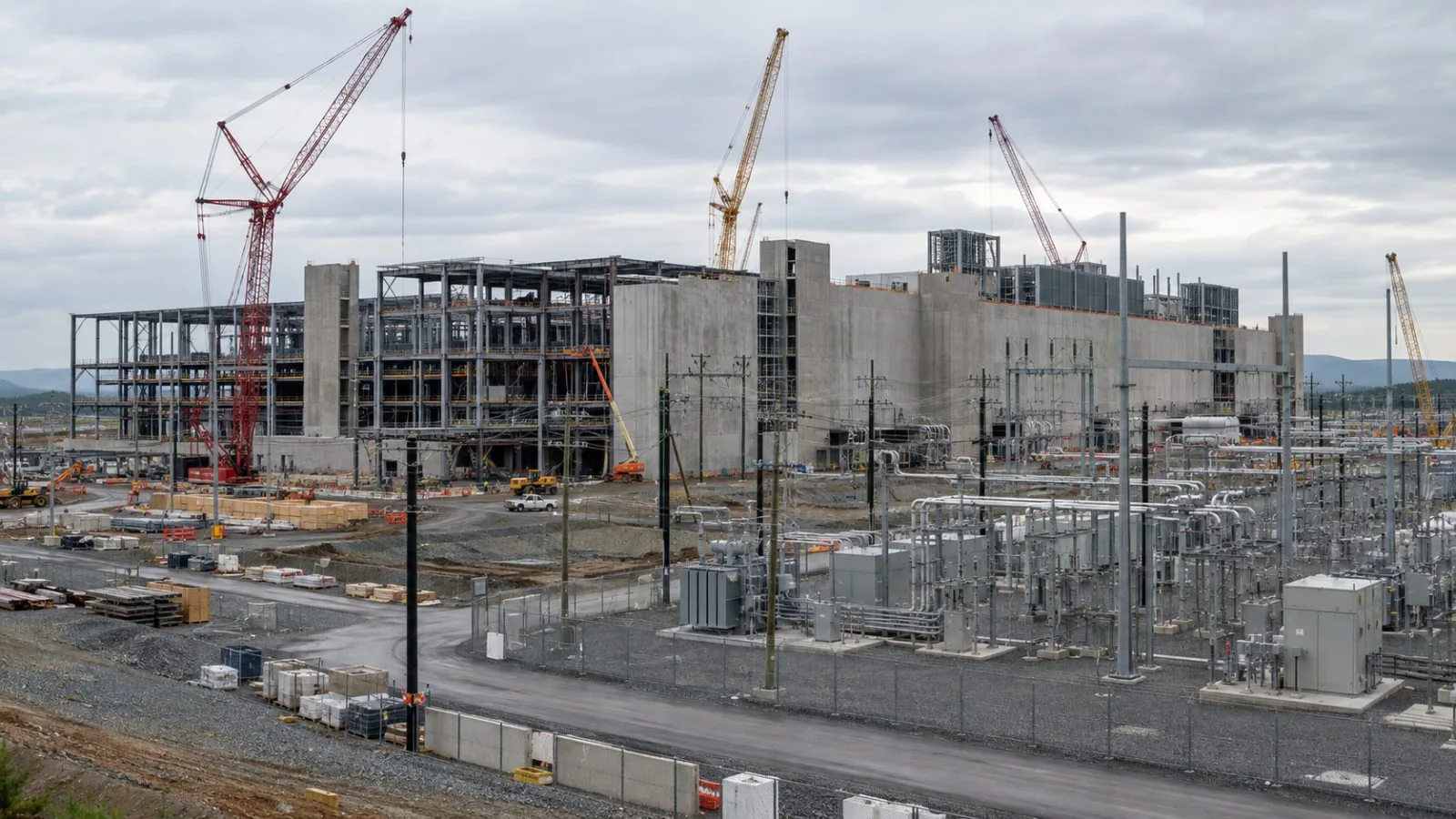
Funding pressure may reshape how lower-rated firms finance AI infrastructure and constrain project budgets as unsecured credit becomes harder to access, Morgan Stanley strategists say.
Morgan Stanley strategists Vishwanath Tirupattur and Vishwas Patkar expect the four biggest hyperscalers to maintain their planned investment despite higher borrowing costs. Firms with lower credit ratings may have to limit capital spending as access to credit becomes more difficult.
The strategists expect weaker borrowers to rely more on asset-level financing. Stronger companies could also provide credit support, they said.
Morgan Stanley put AI-related debt issuance near $500 billion as of Aug. 5, while hyperscalers accounted for $194 billion of global issuance. Those figures measure debt issued, not total financing needs.
Morgan Stanley's forecast put global AI-related investment above $1 trillion for 2026, including $581 billion in the United States. It also projected $10.3 trillion in investment in data centers, power systems and chips from 2025 through 2032.
Separately, Morgan Stanley estimates U.S. data center developers could face a 32-gigawatt power gap by 2028, a separate constraint tied to electricity supply.