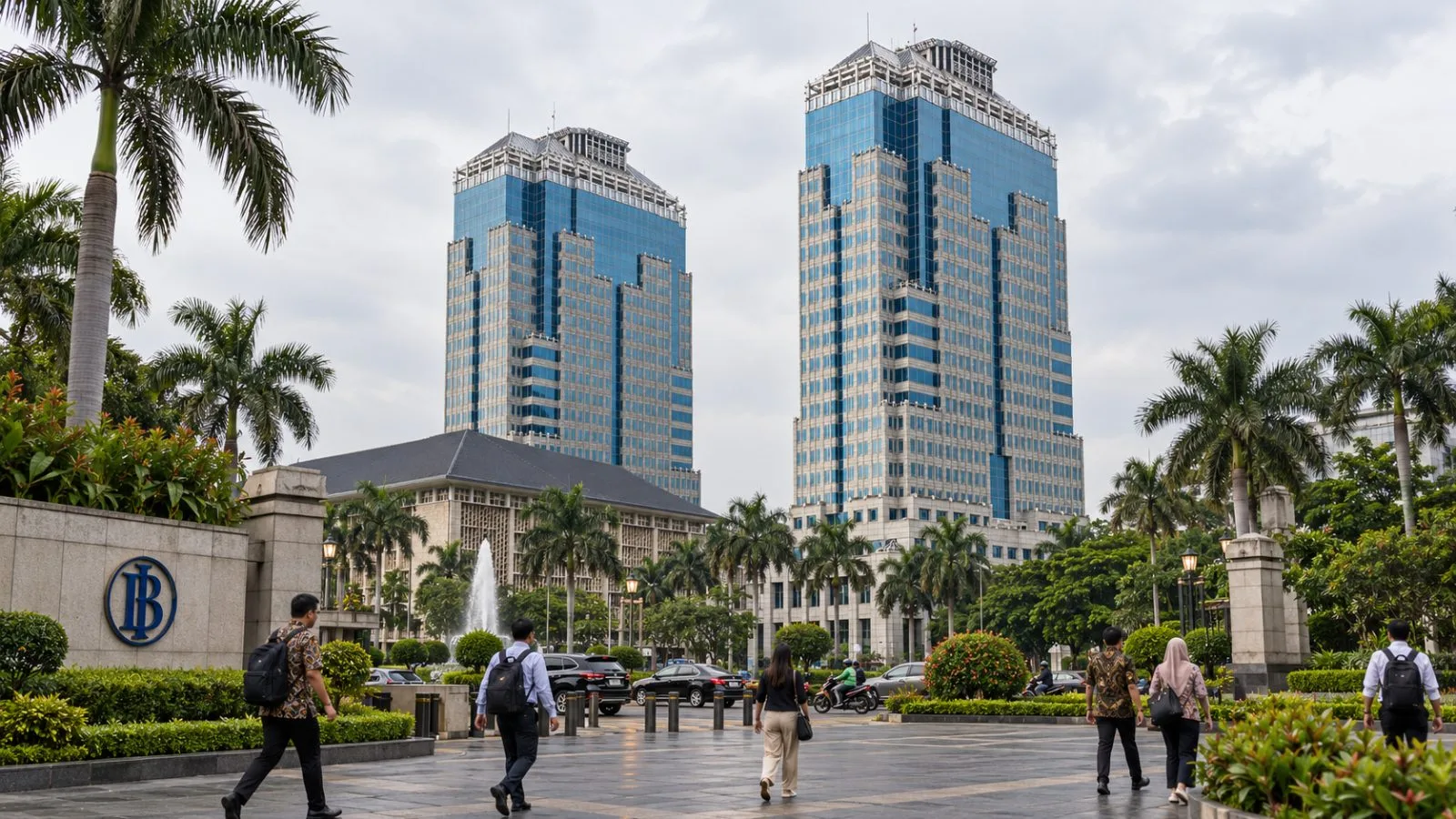
Bank Indonesia (BI) reported the rupiah at 17,985 per U.S. dollar on Oct. 20, down 0.61% from September's end, as the central bank expanded support measures and MUFG Research projected further weakness into 2027.
BI attributed the currency's decline to Middle East tensions, tighter U.S. monetary policy and foreign investor sentiment in equities. It said it expects the rupiah to remain stable. MUFG also cited high oil prices, elevated U.S. yields and a proposed change to Indonesia's status in MSCI indexes as pressures on the currency.
At its Oct. 20-21 meeting, BI held the BI-Rate at 5.75% and the Lending Facility rate at 6.50%, while raising the Deposit Facility rate to 5% from 4.75%. The central bank said its broader measures aim to support rupiah stability, foreign capital inflows and adequate liquidity. EconoTimes previously covered the rupiah's weakness as MSCI reviewed Indonesia's index status.
MUFG Research analyst Lloyd Chan said higher rates could slow the rupiah's depreciation without reversing it. The bank forecast the dollar at 18,350 rupiah in the fourth quarter of 2026, 18,500 in the first quarter of 2027 and 18,700 in the second quarter. MUFG also expects BI to raise its policy rate to 6.25% by the end of 2026; that is the bank's forecast, not a BI commitment.
The reserve changes are scheduled in two stages. For conventional commercial banks, the average rupiah reserve requirement will fall from 9% to 8% on Nov. 1, then to 7% on Dec. 1. For sharia commercial banks and sharia business units, it will decline from 7.5% to 6.5% on Nov. 1, then to 5.5% on Dec. 1. BI said its broader accommodative policy is intended to support lending and financing, with banks among the immediate beneficiaries of the added rupiah liquidity.
BI also raised premium reductions for eligible Domestic Non-Deliverable Forward hedges with the central bank: from 25% to 40% for six-month contracts and from 30% to 45% for 12-month contracts. Eligible transactions include portfolio inflows, banks' foreign loans and foreign direct investment. BI said its wider incentive package had attracted $9.9 billion in foreign capital since June, as of Oct. 20; the figure was not attributed to the newly adjusted hedge incentives alone.
Index provider MSCI opened a consultation on Oct. 15 on a possible reclassification of Indonesia from emerging-market to standalone-market status. It will accept feedback through April 30, 2027, and plans to announce a decision by the end of June 2027.