An expedition around Madeira has produced early observations of differences between protected and unprotected waters, giving conservation planners evidence to weigh as they work toward a 2030 protection target.
The Madeira Ocean 2026 expedition ran from Oct. 2 to 28 around Madeira, Porto Santo and the Desertas Islands. MARE-Madeira, one of its scientific partners, said researchers set out to assess existing marine protected areas, identify possible new conservation sites and support long-term monitoring.
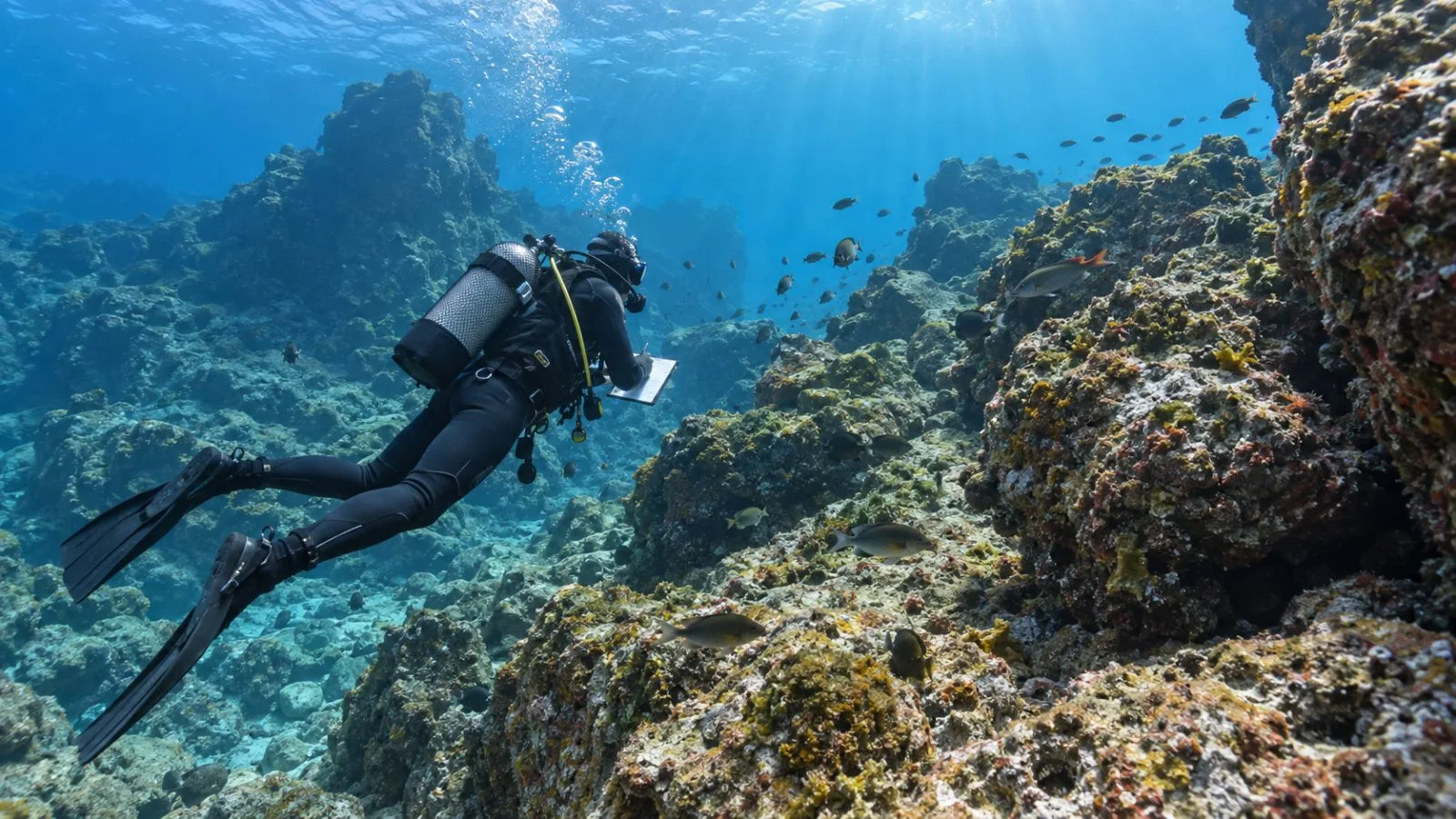
At a preliminary results presentation Wednesday, Oct. 28, expedition scientific coordinator João Canning-Clode said, “The first results indicate that protection works,” Lusa reported. Lusa also reported that divers saw larger fish within protected areas, while juvenile groupers were observed both inside and outside them.
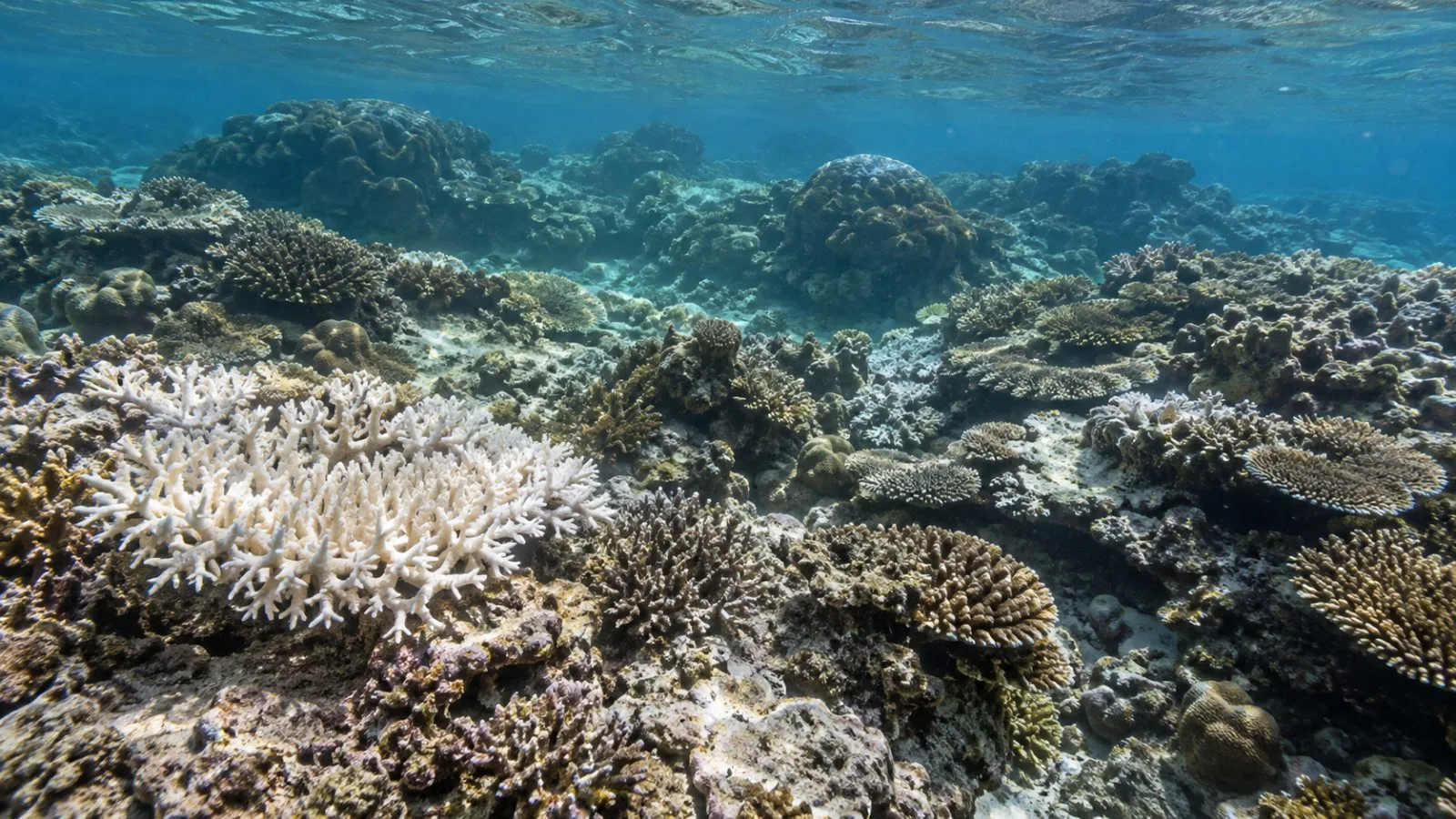
MARE-Madeira said researchers found some algae types in the protected Desertas zone that no longer appeared in observations from unprotected areas elsewhere in the region. The institute also said National Geographic drone images showed marine litter accumulating along remote coastlines.
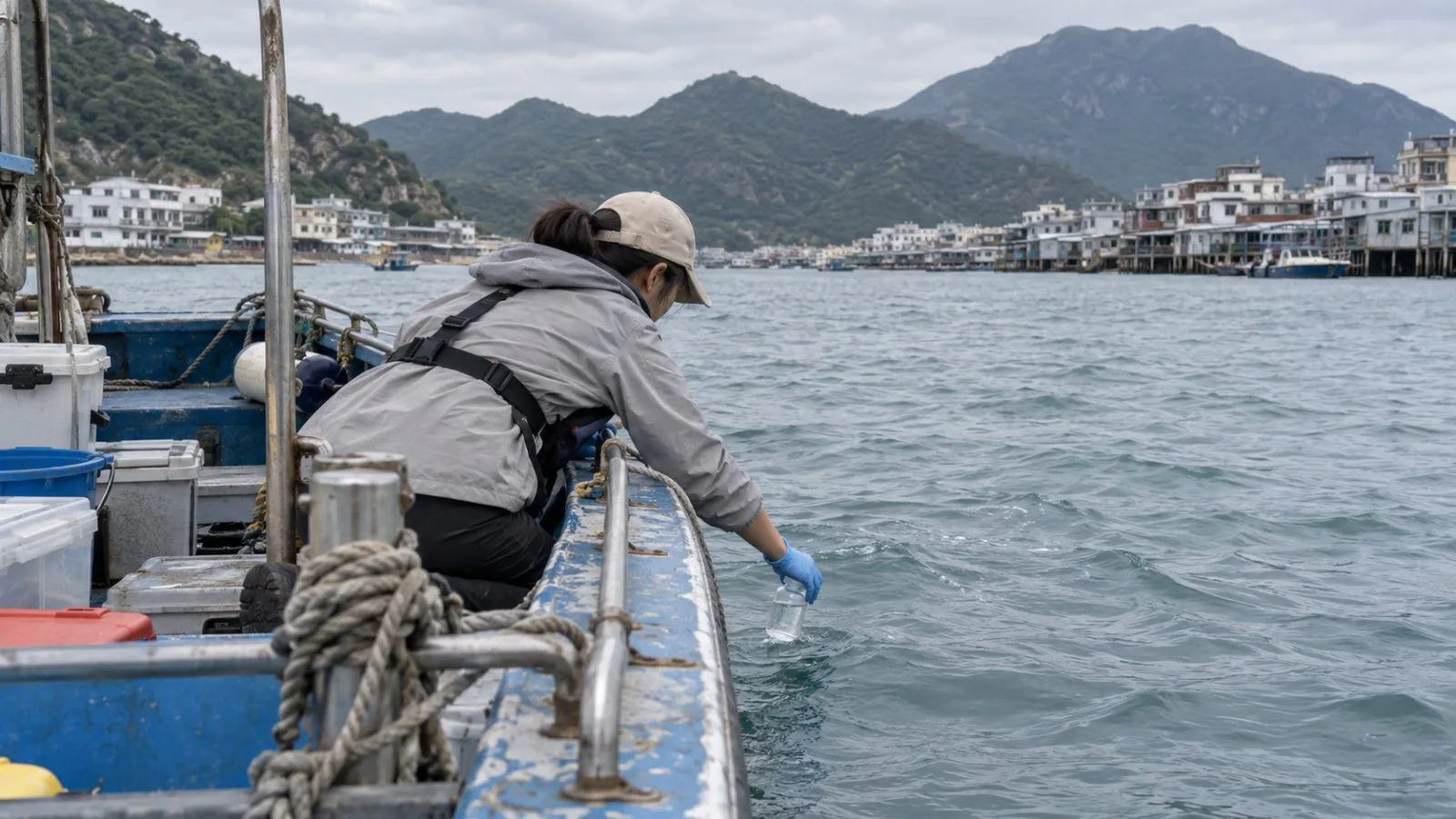
Researchers used baited cameras 40 to 50 meters below the surface, sampled water for fish DNA and placed temperature sensors on intertidal rocks to examine how marine life may respond to warmer conditions, AFP reported.
MARE-Madeira says Madeira Ocean aims to secure effective protection for 30% of Madeira’s marine waters by 2030, including at least 10% under full protection. The Desertas reserve has zones with different rules: the Institute of Forests and Nature Conservation (IFCN) says fishing is allowed in Partial Protection Type I areas. Madeira’s regional government says conservation plans should account for communities that live and work at sea. IFCN says the Desertas Islands received legal protection in 1990, initially to safeguard monk seals.
Lusa reported that the expedition’s full report is expected in early 2027. MARE-Madeira says a further expedition is planned for 2027, focused on the deep sea and the Selvagens Islands.