Ousted Venezuelan President Nicolas Maduro has asked a U.S. federal judge to dismiss drug trafficking charges against him, arguing that he is protected from prosecution by head-of-state immunity.
Maduro’s lawyer, Barry Pollack, filed the dismissal motion on Wednesday in Manhattan federal court, contending that U.S. District Judge Alvin Hellerstein lacks jurisdiction over the case. Pollack argued that sovereign heads of state enjoy immunity from foreign criminal prosecution and that the alleged conduct involved Maduro’s official duties.
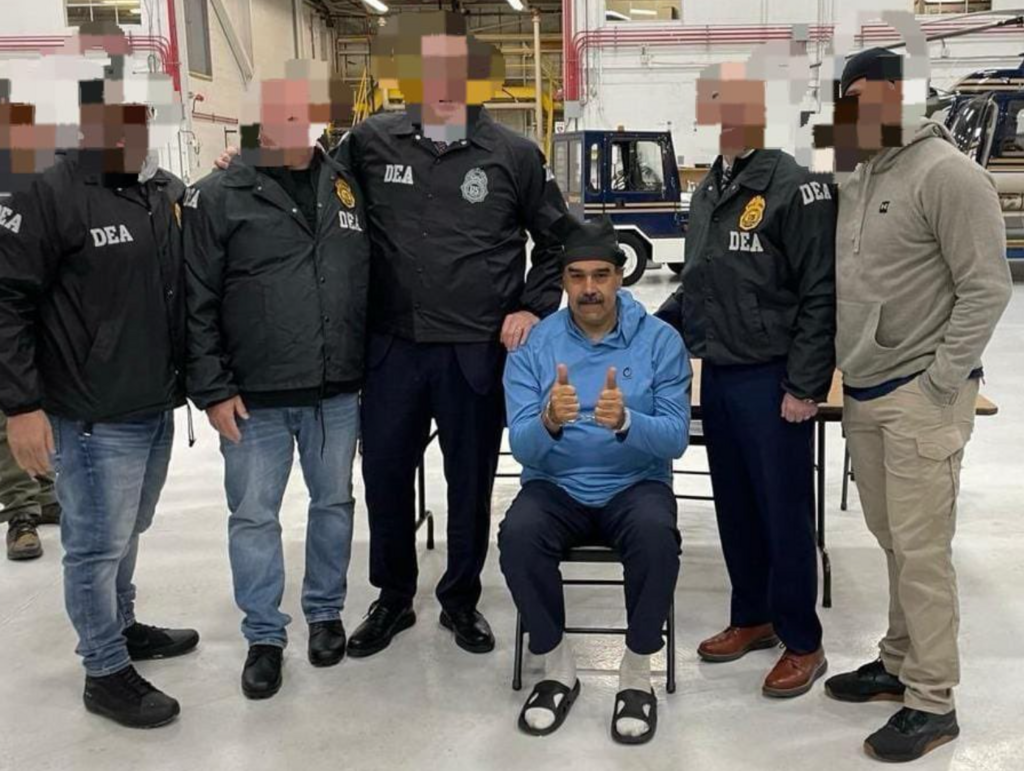
The charges against Maduro formed the legal basis for the U.S. military raid on Caracas that led to his capture on January 3. Maduro is being held in a Brooklyn federal jail and has pleaded not guilty. His trial is scheduled for June 1, 2027, unless the indictment is dismissed.
Pollack said the prosecution violated longstanding principles of international law governing immunity for foreign leaders and officials. He also said Maduro “vehemently denies” the allegations.
Maduro could face significant legal obstacles. The United States has not recognized him as Venezuela’s legitimate president since 2019, following his inauguration after a 2018 election Washington described as fraudulent. U.S. officials also rejected his 2024 reelection, while Maduro has maintained that both elections were legitimate.
Pollack argued that Washington’s refusal to recognize Maduro does not eliminate his head-of-state status. He distinguished the case from that of former Panamanian military leader Manuel Noriega, whose immunity claim was rejected by a U.S. federal judge in 1990.
Since Maduro’s capture, former Vice President Delcy Rodriguez has governed Venezuela and expanded cooperation with the Trump administration. The two countries last month reached a major agreement under which the United States would take control of roughly one-fifth of Venezuela’s oil reserves.
Pollack argued that recognizing Rodriguez’s government while rejecting Maduro’s status was inconsistent, noting that Rodriguez was appointed by Maduro and that Venezuelan officials initially continued to describe him as the country’s legitimate leader.
U.S. prosecutors have until October 2 to respond to Maduro’s motion. Hellerstein is scheduled to hold a hearing on the dismissal request on November 17.