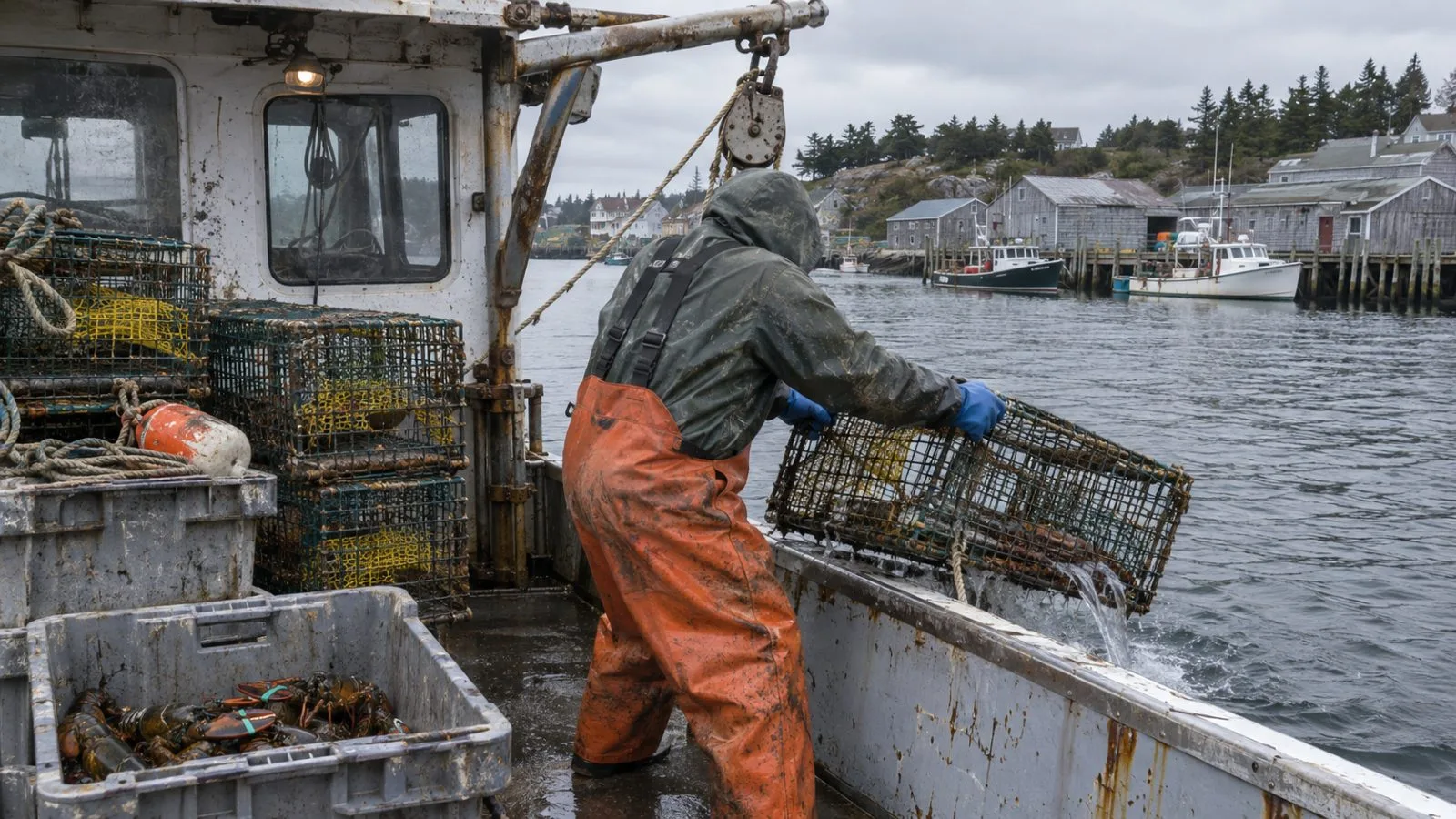
Maine’s lobster trade ties its harvesters to Canadian buyers and processors, bringing cross-border tariff rules into the Senate campaign as voters prepare to choose between Susan Collins and Troy Jackson.
The Maine Department of Marine Resources (DMR) reported that harvesters landed 78.8 million pounds of lobster worth $461.4 million in 2025. The average boat price was $5.85 per pound, the third-highest on record. Fishing effort contracted nearly 10%, with more than 21,000 fewer trips than in 2024; the catch fell by more than 8 million pounds and its value by more than $75 million. After adjusting for inflation, DMR said the lobster value was closer to its 2008 level.
DMR Commissioner Carl Wilson cited inflation, a late molt and tariff-related market uncertainty as possible influences on fishing behavior. The agency did not attribute the decline to tariffs alone.
The trade crosses the border in both directions. The University of Maine’s Lobster Institute says Canada is the primary destination for U.S. live lobster exports, while the United States is the largest market for Canada’s unfinished lobster products. The Associated Press has reported that much of the processing capacity is in Canada.
The White House said its 50% Section 338 tariffs on certain Canadian goods excluded some categories, including fish, while applying to covered goods regardless of whether they qualified under the U.S.-Mexico-Canada Agreement. Canada later removed fish and seafood from its counter-tariff list after stakeholders raised concerns about effects on domestic processors. Its order set duties on other goods at 15%, 25% or 50%, generally matching U.S. rates.
Tariffs also affect some industry inputs. In an October 2025 letter, Collins said tariffs had raised costs for lobster gear, including traps, clips, rings and hoops, as well as some bait. A White House proclamation set 50% Section 232 duties on certain listed steel and aluminum articles and derivatives. Separately, the White House said changes effective Friday, Oct. 30, removed certain packing crates and boxes, paper products, machinery and refrigeration equipment from Section 338 tariffs while adding other products.
Collins’ office said she had sought tariff relief for Maine businesses. Collins said she would keep working with administration officials to seek more relief. Jackson’s campaign said his Oct. 6 debate remark, “We can’t eat road salt,” criticized broader tariffs.
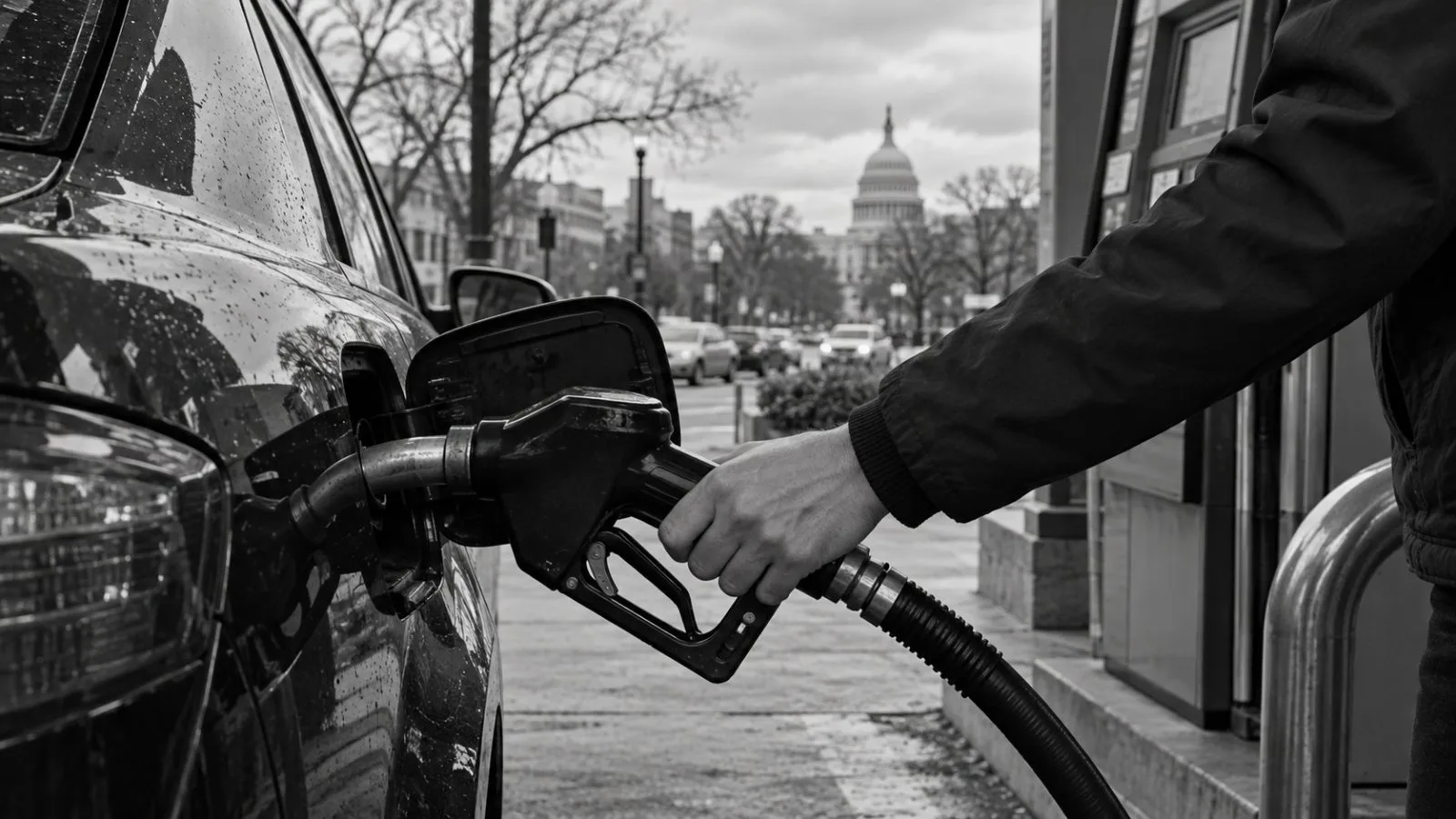
The U.S. Energy Information Administration (EIA) put the national retail diesel average at $6.29 per gallon in September 2026, citing higher crude oil prices and refining margins. That is a U.S. average, not a Maine vessel-specific fuel price. David Horner, a Maine lobsterman quoted by Al Jazeera, called high diesel the industry’s “biggest enemy.” The EIA’s next Short-Term Energy Outlook is scheduled for Tuesday, Nov. 10. Maine voters choose between Collins and Jackson on Tuesday, Nov. 3.